

What's Happening?
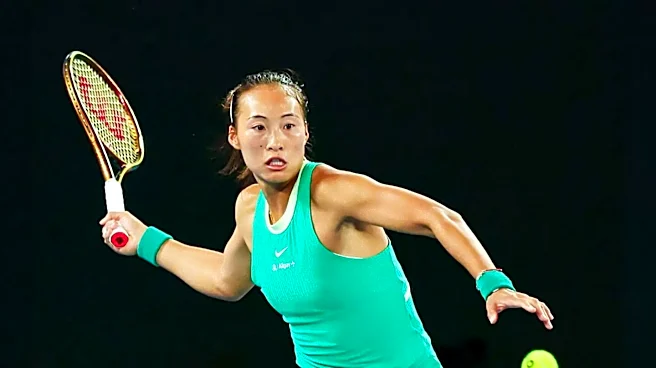
Qinwen Zheng has withdrawn from the WTA Hong Kong tournament. This decision comes after her recent title victory in Beijing, a physically demanding event. Zheng's withdrawal is part of a broader trend at the Hong Kong Open, where thirteen players have
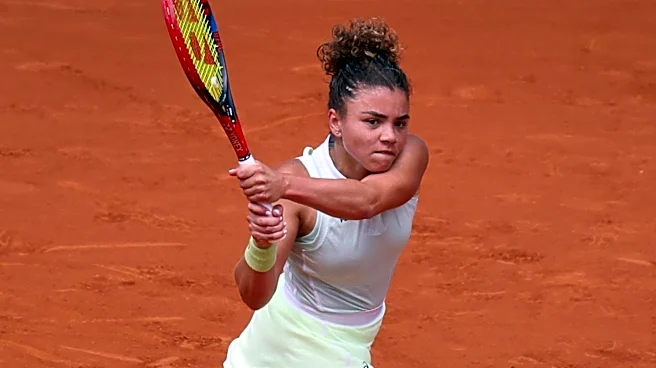
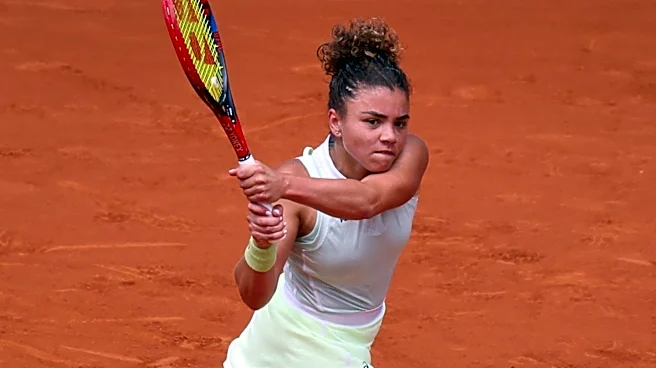
pulled out due to the physical toll of the late-season schedule. The grueling nature of the WTA Tour, particularly the autumn schedule with its high-impact movement on hard courts, often forces players to prioritize rest and recovery over immediate competition. Zheng's decision is aimed at focusing on her preparation for the upcoming season, indicating a strategic approach to her long-term career rather than pushing through potential fatigue or injury. Other notable withdrawals include Jasmine Paolini, who pulled out of singles after winning a doubles title in Tokyo, and sixteen-year-old Xinran Sun, who withdrew after a semifinal run in Guangzhou.
Why It's Important?
The withdrawal of top players like Qinwen Zheng from late-season tournaments highlights the significant physical demands placed on professional tennis athletes. This trend impacts the competitive landscape of these events, potentially opening opportunities for lower-ranked players to advance further in the draw. For fans, it can lead to a less star-studded lineup, but it also underscores the strategic decisions athletes must make to manage their bodies and careers. The high number of withdrawals also raises questions about the WTA Tour's scheduling, particularly the density of tournaments towards the end of the year, and its potential long-term effects on player health and career longevity. These decisions reflect a growing awareness among athletes and their teams about the importance of physical preservation in a sport known for its intense physical grind.
What's Next?
Following her withdrawal, Qinwen Zheng will likely focus on rest, recovery, and pre-season training to prepare for the next WTA season. Her decision to prioritize long-term health over immediate competition suggests a strategic approach to her career, aiming for peak performance in future major tournaments. For the WTA Hong Kong Open, the numerous withdrawals mean that the remaining players, such as America's Ann Li, will have a more open draw, presenting a significant opportunity to gain ranking points and build momentum. The tournament will proceed with a different competitive dynamic, potentially showcasing emerging talents or resilient players who have managed their physical reserves effectively throughout the season. The broader discussion around player welfare and tournament scheduling may continue as more athletes opt out of late-season events.
Beyond the Headlines
The wave of withdrawals, including Qinwen Zheng's, from late-season WTA tournaments points to a deeper issue within professional tennis: the sustainability of the tour's demanding schedule. This situation brings to light the ethical considerations surrounding player welfare versus commercial interests in sports. While tournaments aim to attract top talent, the physical toll on athletes often leads to difficult choices between participation and health. This could prompt future discussions within the WTA about restructuring the calendar, potentially incorporating longer off-seasons or more strategic breaks to mitigate player burnout and injury. The long-term implications could include a shift in how player success is measured, moving beyond just tournament wins to include career longevity and overall well-being, influencing how young athletes are trained and managed throughout their professional journeys.