




What's Happening?
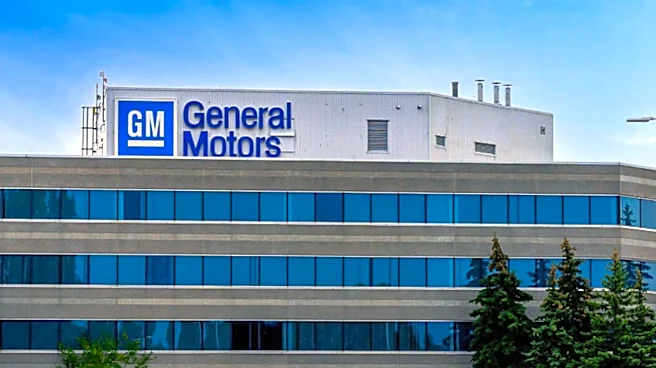
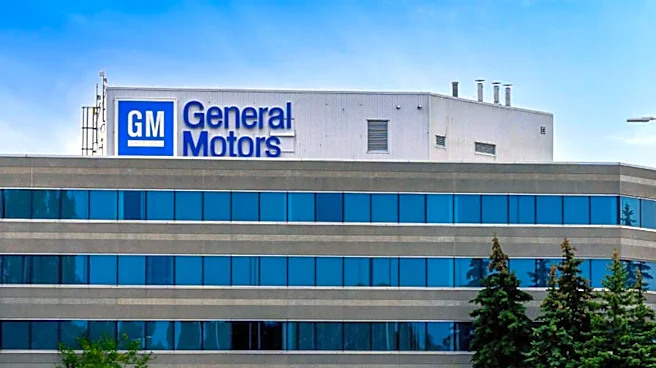
General Motors (GM) has reportedly hired a talent firm to search for a successor to its current CEO, Mary Barra. While GM has not officially commented on these reports, Barra, who has served as CEO since 2014, is set to turn 65 in December, making a leadership
transition inevitable at some point. The search for a new CEO suggests that the company is proactively planning for a change at the top. Experts anticipate that a new leader will likely introduce cultural shifts within the company, particularly affecting higher-level executives. However, lower-level employees may not experience significant changes unless the new CEO steers the company in a drastically different strategic direction.
Why It's Important?
The potential leadership change at General Motors carries significant implications for the U.S. automotive industry and its workforce. As one of the largest automakers, GM's strategic direction under a new CEO could influence market trends, technological advancements, and competitive landscapes. A new leader might prioritize different areas, such as electric vehicle development, autonomous driving, or manufacturing processes, which could impact suppliers, dealerships, and the broader automotive ecosystem. For employees, especially those in executive roles, a new CEO often brings a fresh vision and management style, potentially leading to organizational restructuring or shifts in corporate culture. The stability and future trajectory of a major American corporation like GM are closely watched by investors and economic analysts, making this succession planning a key development.
What's Next?
While no official timeline has been announced, the engagement of a talent firm indicates that the search for Mary Barra's successor is underway. The process will likely involve identifying and evaluating internal and external candidates who can lead GM through the evolving automotive landscape, characterized by rapid technological change and increasing competition. Once a successor is chosen, the company will need to manage a smooth transition to ensure continuity in operations and strategy. The new CEO's initial actions and pronouncements will be closely scrutinized for clues about GM's future direction, particularly concerning its electric vehicle commitments and global market strategies. Stakeholders, including investors, employees, and industry partners, will be keen to understand how the new leadership intends to build upon or diverge from Barra's legacy.
Beyond the Headlines
The reported search for a successor to Mary Barra at General Motors highlights broader trends in corporate governance and leadership transitions within major U.S. corporations. The proactive engagement of a talent firm underscores the importance of strategic succession planning, especially for companies navigating complex industry shifts like the automotive sector's transition to electric vehicles. This move also reflects the increasing scrutiny on corporate leadership and the demand for leaders who can drive innovation while maintaining financial stability. The eventual selection of a new CEO will not only shape GM's future but could also set precedents for leadership diversity and strategic priorities within the broader manufacturing and technology sectors. The cultural impact of a new leader, particularly in a company with a long history like GM, will be a critical element to watch, as it can influence employee morale, innovation, and overall corporate performance.