





What's Happening?
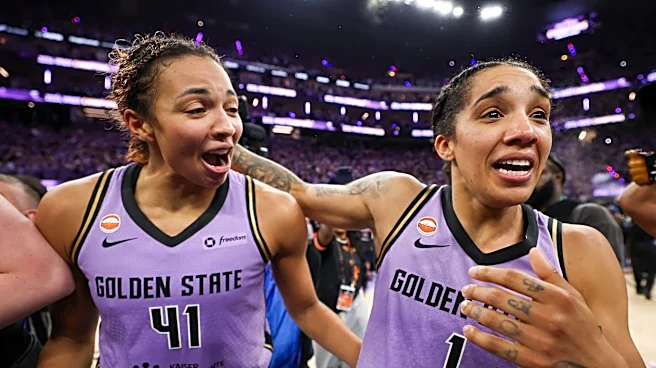
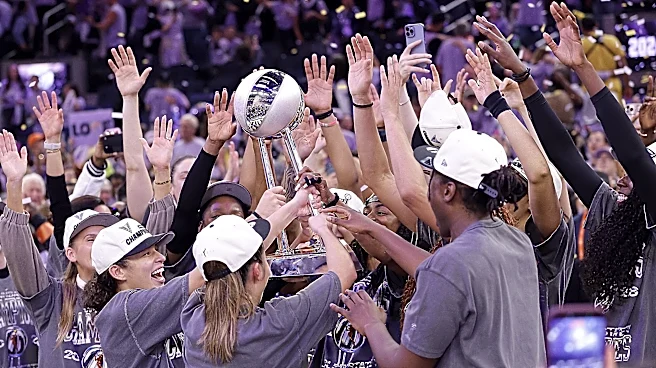
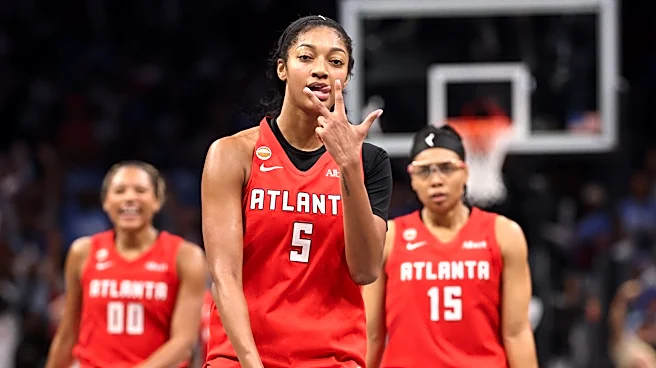
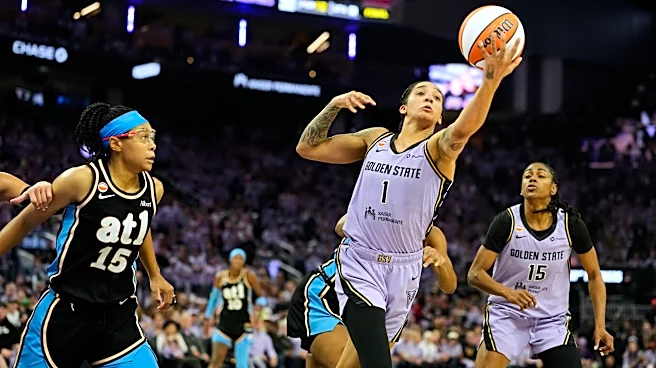
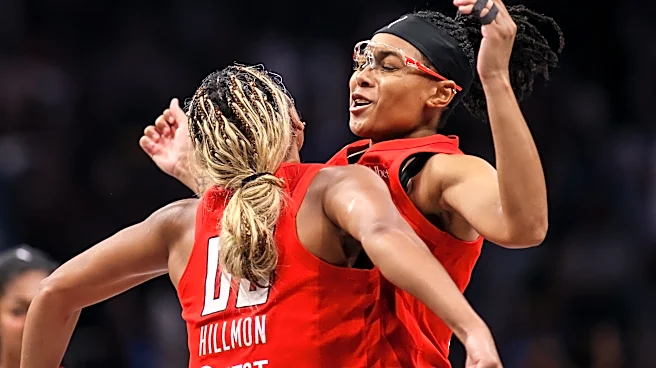
The Atlanta Dream and Golden State Valkyries, competing in the WNBA Finals, consistently remained off the court during the national anthem before every game of the seven-game series. This practice continued through the deciding Game 7 at Chase Center,
despite ongoing criticism and inquiries regarding their pregame routine. The WNBA's 2026 official rulebook states that players, coaches, and trainers are to 'stand and line up in a dignified posture' during the anthem, though the league reportedly suspended its anthem protocols in 2017. Both teams and the league have not provided specific explanations for the teams' absence, with coaches and players citing it as part of their pregame routine. For instance, Golden State coach Natalie Nakase stated it has 'been part of our pregame' for two years, and Valkyries forward Gabby Williams mentioned it has been a routine for 'like, seven years now.'
Why It's Important?
The continued absence of WNBA Finals teams during the national anthem highlights an ongoing tension between player expression and traditional sports protocols. This practice, which has drawn criticism and public debate, reflects broader societal discussions about patriotism, protest, and the role of athletes in social commentary. While some fans defend the players' choice as a right to expression, others, including some military veterans, express a desire for players to be on the court. The lack of clear explanation from the teams or the league regarding the specific reasons behind this routine leaves room for varied interpretations, impacting public perception of the WNBA and its athletes. This situation also raises questions about the enforcement of league rules, particularly given the WNBA's 2017 suspension of anthem protocols, even as the provision remains in the 2026 rulebook.
What's Next?
The WNBA and its teams may face continued scrutiny and calls for clarification regarding their national anthem policies and practices. As the season concludes, the league might be pressed to address the discrepancy between its rulebook and the observed behavior of its teams. Stakeholders, including fans, media, and potentially sponsors, could continue to demand more transparency or a definitive stance on the issue. The ongoing debate could influence future league policies, player conduct guidelines, and public relations strategies. Individual players, like Dream guard Rhyne Howard, who stated she is always on the floor for the anthem when representing Team USA, may continue to differentiate their conduct based on the context of their representation, further complicating the narrative around anthem protocols in professional sports.
Beyond the Headlines
The consistent absence of WNBA teams during the national anthem touches upon deeper themes of individual liberty versus institutional expectations within professional sports. This practice can be viewed as a form of silent protest or a statement of personal routine, reflecting a cultural shift where athletes increasingly use their platforms to express views or maintain practices that align with their beliefs. The differing reactions from fans, ranging from defense of choice to calls for presence, underscore the diverse perspectives on patriotism and respect for national symbols in contemporary U.S. society. This situation also highlights the evolving relationship between sports leagues, their athletes, and the public, where traditional expectations are continually challenged by modern expressions of autonomy and social consciousness.