

What's Happening?
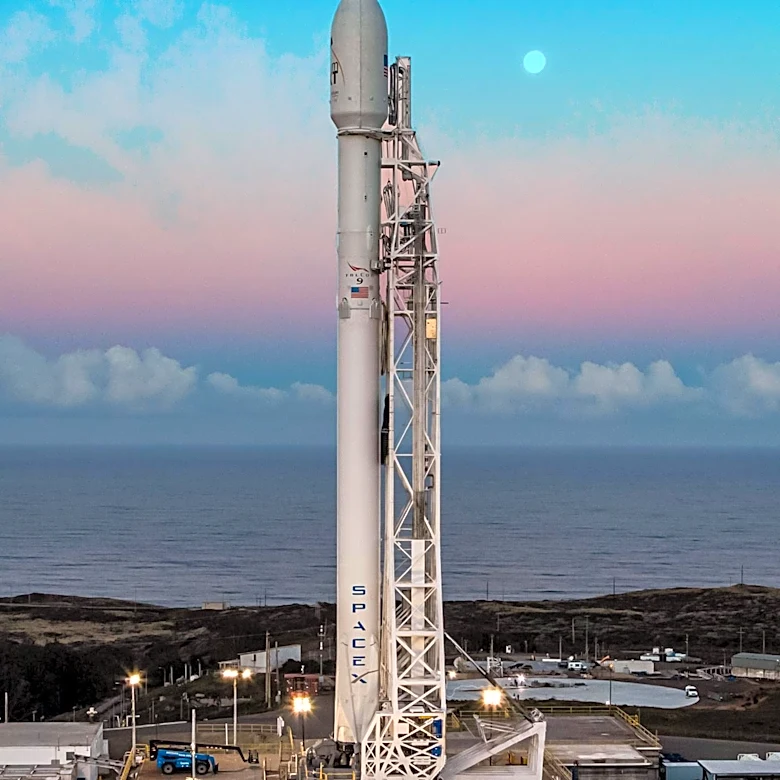
Relativity Space is actively recruiting a Senior Avionics Systems Engineer to contribute to the development of its Terran R launch vehicle. The company aims to build rockets that address current and future demands for launch capacity, with the Terran R designed
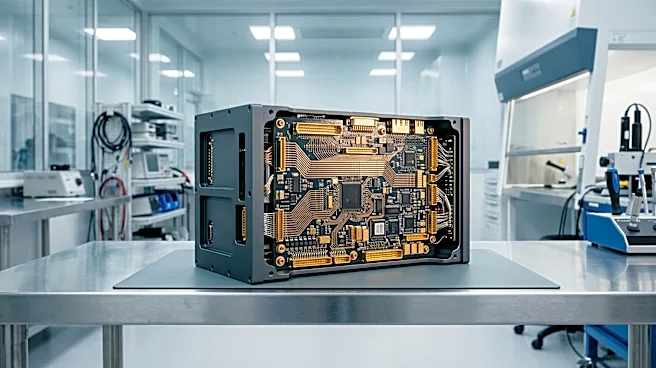
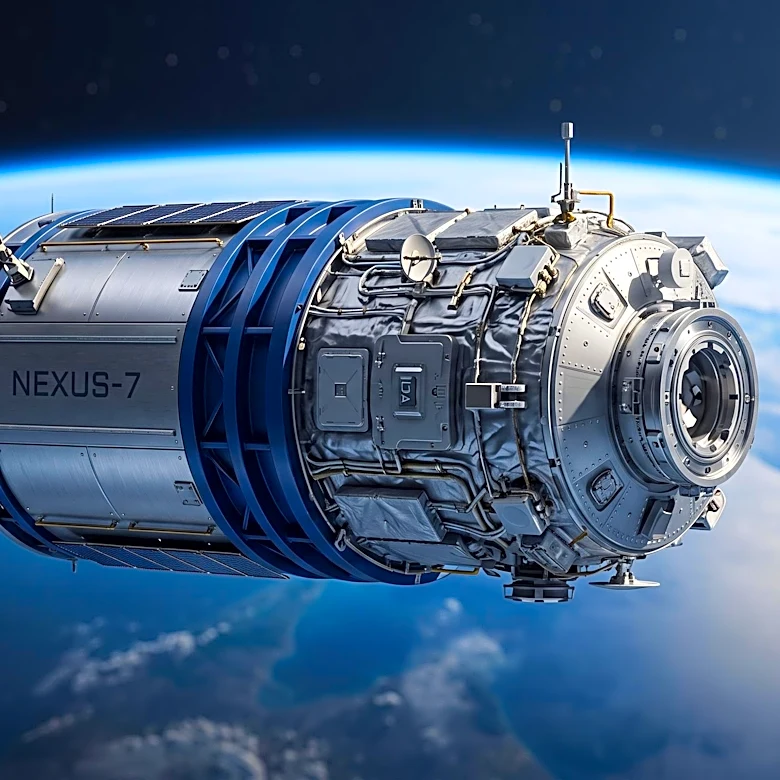
as a medium-to-heavy lift reusable rocket for delivering customer payloads to orbit. This role involves designing, analyzing, and testing custom electronics for the Terran R or In-Space Systems, overseeing hardware and subsystem development from concept to flight maturity, including design verification, qualification, production, integration, and operations. The position requires collaboration with cross-functional teams to make informed decisions for the overall vehicle. Relativity Space emphasizes autonomy, ownership, and impact for its employees, offering a chance to contribute to the development of a rocket, a factory, and a business from the ground up.
Why It's Important?
The recruitment of specialized engineers like a Senior Avionics Systems Engineer is crucial for Relativity Space's progress in the competitive space launch industry. The successful development and deployment of the Terran R rocket could significantly increase U.S. launch capabilities, providing more options for commercial, scientific, and potentially governmental payloads. This expansion of launch capacity is vital for advancing space exploration, satellite deployment, and in-space innovation, which have broad implications for telecommunications, climate monitoring, and national security. By fostering a culture of autonomy and impact, Relativity Space aims to attract top talent, accelerating technological breakthroughs and strengthening the U.S. position in the global space economy. The success of Terran R could also create numerous job opportunities in manufacturing, engineering, and related sectors.
What's Next?
Relativity Space will continue its recruitment efforts to fill key engineering roles, including the Senior Avionics Systems Engineer position, to bolster the development of the Terran R. The selected candidate will immediately begin work on critical aspects of the Terran R's avionics systems, moving the project closer to its flight maturity goals. As the company progresses, further testing, qualification, and integration phases for the Terran R launch vehicle are anticipated. The ultimate goal is to achieve commercial success with Terran R, which would then unlock new opportunities for advancing science, exploration, and innovation in space. This will likely involve securing more launch contracts and potentially expanding the company's operational footprint.
Beyond the Headlines
The ongoing development of advanced launch vehicles like Terran R by companies such as Relativity Space signifies a broader shift in the U.S. space industry towards increased private sector involvement and innovation. This trend is driven by a demand for more cost-effective and frequent access to space, moving beyond traditional government-led initiatives. The emphasis on reusability, as seen with Terran R, is a key factor in reducing launch costs and increasing sustainability in space operations. This shift could lead to a more dynamic and competitive space market, fostering rapid technological advancements and potentially democratizing access to space. The ethical implications of increased space activity, such as orbital debris management and responsible resource utilization, will become increasingly important considerations as these capabilities expand.