



What's Happening?
GROWMARK, an agricultural cooperative, is advising farmers to implement proactive equipment maintenance and strategic fuel procurement to mitigate the impact of high energy prices on their operations. Tonya Crow, executive director of energy marketing
and business development for GROWMARK, emphasizes that using products like Dieselex Gold and premium engine oils such as Suprex Gold ESP can enhance fuel efficiency, maintain clean injectors, and protect engines under demanding conditions. This approach aims to maximize the value of every gallon of fuel and hour of equipment operation, which is crucial in the current tight-margin environment. Tim Abel, GROWMARK director for customer risk marketing, is urging farmers to secure a portion of their fuel needs before the peak demand of harvest season. He notes that fall demand often leads to tighter logistics and increased competition for supply, making early procurement a key strategy to reduce both price and supply risks. Farmers are encouraged to set reasonable price targets and commit to purchases when those targets are met, potentially filling tanks during market pullbacks.
Why It's Important?
The advice from GROWMARK is critical for U.S. farmers facing significant financial pressures due to volatile and high energy costs. These costs directly impact profitability, as fuel and electricity are essential for planting, harvesting, and drying crops, as well as for livestock operations. By advocating for proactive maintenance, GROWMARK helps farmers extend the lifespan of their equipment and reduce operational inefficiencies, which can lead to substantial savings. The recommendation to secure fuel needs in advance addresses the inherent volatility of energy markets, protecting farmers from sudden price spikes and potential supply shortages during critical periods like harvest. This strategy can help stabilize input costs, allowing farmers to better manage their budgets and maintain financial viability. Without such measures, the agricultural sector could see reduced margins, potentially leading to higher food prices for consumers or decreased production as farmers struggle to absorb increased expenses. The guidance aims to empower farmers to navigate these economic challenges more effectively, ensuring the continuity and stability of agricultural production.
What's Next?
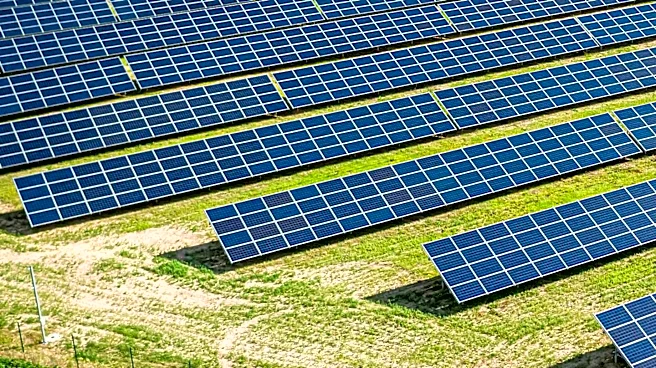
Farmers are expected to increasingly adopt the strategies recommended by GROWMARK, focusing on proactive equipment maintenance and strategic fuel purchasing. This could lead to a greater demand for fuel-efficient products like Dieselex Gold and premium engine oils, as well as an earlier commitment to fuel contracts ahead of peak seasons. The U.S. Energy Information Administration (EIA) anticipates that global oil production will return to near pre-conflict averages by the end of 2026, potentially offering some price relief. However, market volatility is expected to continue, influenced by factors such as hurricane season, which could disrupt production capacity in the Gulf Coast region. Farmers will likely continue to monitor market pullbacks for opportunities to secure fuel at favorable prices. Additionally, there may be a growing interest in alternative energy sources, such as solar power for farm operations, as farmers seek long-term solutions to reduce their reliance on volatile fossil fuel markets. The ongoing efforts to manage energy costs will remain a central theme for agricultural planning in the coming seasons.
Beyond the Headlines
The emphasis on proactive maintenance and strategic fuel procurement by GROWMARK highlights a broader shift in agricultural practices towards greater resilience and risk management. Beyond immediate cost savings, these strategies foster a more sustainable approach to farming by optimizing resource use and reducing waste. The volatility in energy prices also underscores the interconnectedness of global geopolitical events and local agricultural economies. Conflicts and supply chain disruptions far from U.S. farms can directly impact the cost of food production, illustrating the need for robust national and international energy policies. Furthermore, the consideration of solar power by farmers like Chad Bell points to a growing recognition of renewable energy's potential to provide energy independence and reduce environmental footprints within the agricultural sector. This trend could accelerate innovation in farm technology and infrastructure, leading to a more diversified and environmentally conscious energy landscape in rural America. The long-term implications include not only economic stability for farmers but also a potential transformation in how agricultural operations power themselves, contributing to broader climate goals.