







What's Happening?
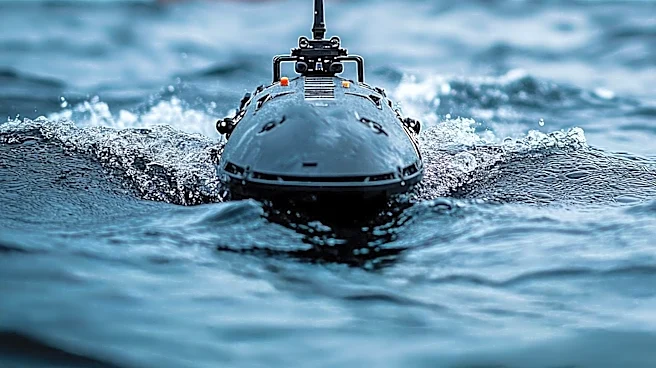
Autonomous technology is transforming maritime operations by enabling ships to be operated remotely from land. This development is spearheaded by Norwegian research and involves the use of uncrewed vessels that can navigate themselves and alert shore-based
operators when needed. The technology has been implemented in projects like Reach Remote 1, a 24-meter uncrewed surface vessel used for seabed mapping. This shift reduces emissions and crew requirements significantly. The next steps involve gaining approval for navigators and captains to operate from shore, moving towards fully autonomous fleet management.
Why It's Important?
The transition to autonomous maritime operations addresses several challenges faced by the industry, including crew shortages and high operational costs. By moving crews ashore, the industry can reduce vessel sizes, lower energy consumption, and make maritime professions more attractive by offering better work-life balance. This innovation is crucial for an industry projected to face a significant officer deficit by 2026. Additionally, the adoption of autonomous technology could lead to substantial environmental benefits by reducing emissions.
What's Next?
The focus will be on gaining regulatory approval for fully autonomous operations and demonstrating the technology's effectiveness in real-world conditions. The International Maritime Organization's adoption of a voluntary regulatory framework for autonomous shipping marks a significant step forward. The industry will continue to build experience and refine regulations, aiming for widespread adoption of autonomous vessels in the coming years.