


What's Happening?
Irish popular culture is currently experiencing a significant 'Green Wave,' marked by its outstanding resonance on the global stage. This phenomenon encompasses various media, including TV series, films, literature, and popular music. Commentators have
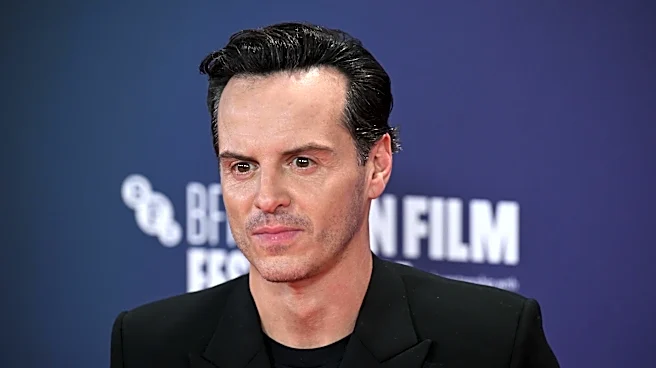
noted the substantial developments in Irish popular culture over the past few decades, with the LA Times coining the term 'Green Wave' to describe the Academy Awards in 2023, which saw Martin McDonagh’s film 'The Banshees of Inisherin' receive fourteen nominations. The New York Times has observed a 'thirst for the Irish,' and New York magazine has dubbed a group of prominent Irish actors, including Cillian Murphy, Colin Farrell, Andrew Scott, Paul Mescal, Nicola Coughlan, Barry Keoghan, and Jessie Buckley, the 'Craic Pack.' This cultural resurgence extends to music, with innovative acts like Fontaines D.C., CMAT, Kneecap, Just Mustard, Chalk, and Newdad achieving global success, moving Irish popular music beyond conventional rock and punk to more experimental genres.
Why It's Important?
This 'Green Wave' is significant as it disrupts and redefines Irish identity and culture globally. Historically perceived as a conservative and backward country, Ireland's image has evolved with its economic transformation into one of Europe's most dynamic economies, fueled by a highly developed knowledge economy. This economic success is mirrored in the rising vibrancy and international fame of its culture, which now embraces diverse forms beyond traditional literature and music. The phenomenon also highlights a paradoxical combination of global appeal with authentic, local, and regional identity, exemplified by the growing interest in the Irish language. The success of Irish-language films like Colm Bairéad’s 'An Cailín Ciúin' and bands like Kneecap, which raps in Irish, demonstrates this blend. Furthermore, works like 'The Banshees of Inisherin' and 'Derry Girls' navigate the divide between local narratives and global themes, using humor and satire to address serious social, political, and historical issues.
What's Next?
A two-day conference is planned to further explore this Irish 'Green Wave' in popular culture, spanning from the 1990s to the present. The conference aims to analyze how contemporary Irish popular culture articulates local and global themes, national identity, and universal appeal, while combining humor, satire, glamour, and frivolity with serious social, political, sexual, and environmental issues. Topics for discussion will include Irish TV series, the economy of popular culture in Ireland, the filming industry, Irish celebrities, contemporary Irish popular music, popular romance, sports fashion and lifestyle, and the intersection of pop culture with Irish identity, activism, and spirituality. Proposals for papers are being accepted until October 15, 2026, indicating a continued academic and cultural focus on this evolving trend.
Beyond the Headlines
The 'Green Wave' in Irish popular culture suggests a deeper shift in how smaller nations can project their cultural influence globally, especially when supported by economic growth and a willingness to explore diverse artistic expressions. The blend of traditional elements with modern, experimental forms challenges stereotypes and offers a nuanced portrayal of Irish identity. The emphasis on local authenticity, even while achieving global recognition, indicates a potential model for other cultures seeking to maintain their distinctiveness in an increasingly globalized world. This cultural renaissance also reflects a broader societal evolution, moving beyond historical perceptions of conservatism to embrace a more complex and multifaceted national narrative that resonates with international audiences.