







What's Happening?
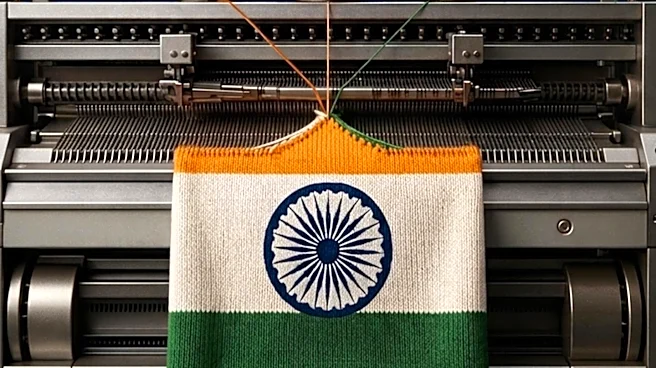
Governments across Asia are increasingly implementing import bans on goods produced using forced labor, driven in part by pressure from U.S. Section 301 investigations. Countries like India, Cambodia, and Sri Lanka have adopted such prohibitions this
year. However, a Lowy Institute analysis by Cory Searcy argues that these rules must prioritize the well-being of workers subjected to forced labor, rather than solely focusing on blocking goods. The analysis highlights that import bans, while well-intentioned, can lead companies to 'cut and run' when forced labor is discovered, potentially leaving workers unpaid and unemployed. The International Labour Organization estimated 27.6 million people were in forced labor worldwide in 2021, with over half in the Asia-Pacific region. The report emphasizes that effective bans should include clear requirements for remediation, mechanisms for payment, and routes for lifting bans once abuses are fixed. India's new policy, for example, prohibits forced labor imports but lacks provisions for worker repayment or pathways for suppliers to regain good standing. In contrast, Malaysia's experience with U.S. detention orders has shown that meeting conditions for lifting bans can lead to significant wage and recruitment fee returns for workers.
Why It's Important?
This analysis is crucial for U.S. businesses, policymakers, and consumers concerned with ethical supply chains and human rights. The U.S. has been a significant driver of forced labor investigations and import bans, and the effectiveness of these measures directly impacts American companies sourcing from Asia. If Asian bans merely block goods without ensuring worker remediation, U.S. efforts to combat forced labor could be undermined, leading to unintended negative consequences for vulnerable workers. The call for clear remediation requirements and mechanisms for lifting bans provides a framework for more effective and humane policies. This could influence U.S. trade policy and corporate social responsibility standards, pushing for a more holistic approach that includes worker compensation and rehabilitation. For U.S. industries, understanding these nuances is vital to avoid complicity in forced labor, maintain brand reputation, and navigate complex international trade regulations.
What's Next?
The ongoing implementation of forced labor import bans in Asia will likely evolve to incorporate more robust remediation frameworks. Policymakers in Asian nations, potentially in coordination through bodies like ASEAN, may work towards agreeing on shared remediation standards and recognizing verified results across borders. This could include establishing reasonable deadlines for remediation to incentivize genuine efforts rather than indefinite delays. For U.S. companies, this means an increased need for due diligence in their supply chains, not just to identify forced labor but also to ensure that their suppliers have credible remediation plans in place. The U.S. government may also consider adjusting its own forced labor policies to align with or encourage these more worker-centric approaches, potentially by emphasizing remediation as a condition for lifting import restrictions. The focus will shift from simply identifying and blocking goods to actively facilitating the recovery and compensation of affected workers.
Beyond the Headlines
The deeper implications of this issue extend to the ethical responsibilities of global commerce and the challenge of balancing economic interests with human rights. The 'cut and run' phenomenon highlights a systemic flaw where companies can avoid accountability by simply terminating relationships, leaving workers in worse conditions. This raises questions about the true impact of consumer activism and government sanctions if they do not directly benefit the victims of forced labor. Culturally, this debate could foster a greater global awareness of the human cost embedded in supply chains, potentially leading to increased consumer demand for ethically sourced products and greater corporate transparency. Legally, it may spur the development of more comprehensive international frameworks that mandate remediation and provide legal avenues for workers to seek justice and compensation, moving beyond punitive measures to restorative justice.