






What's Happening?
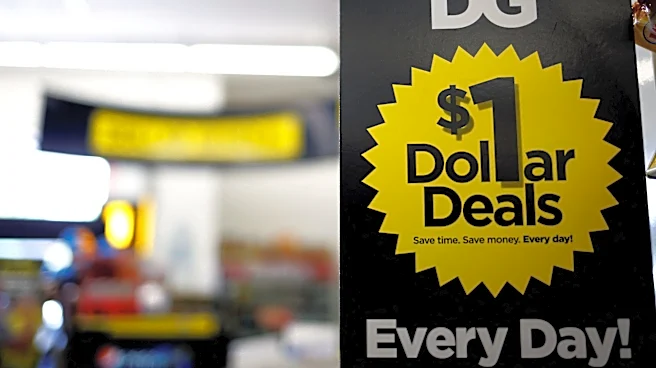
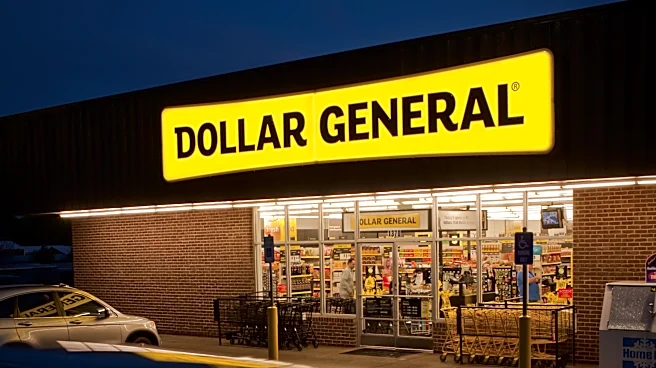
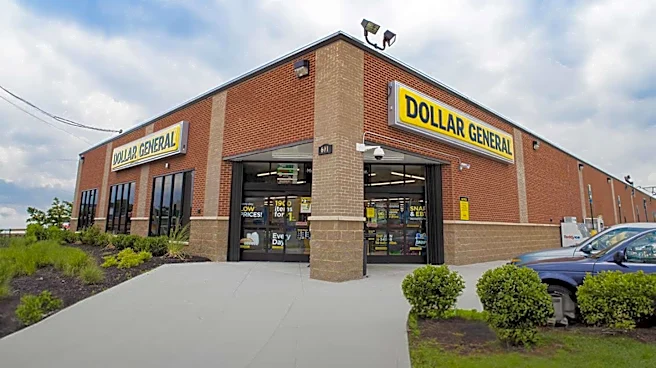
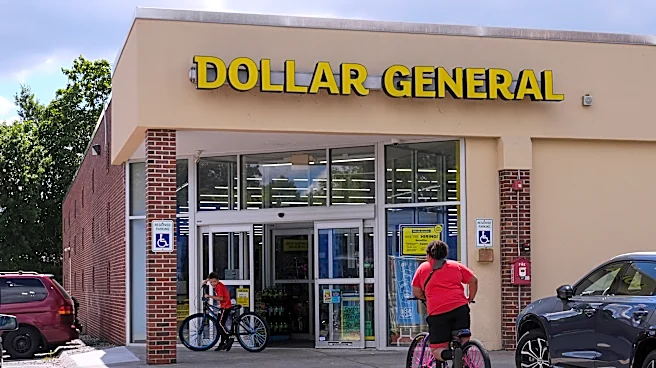
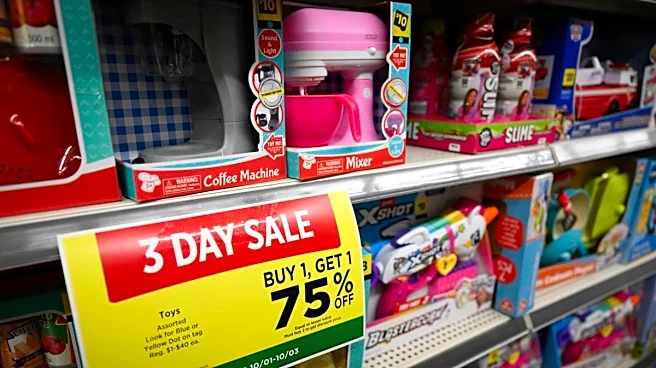
The Federal Trade Commission (FTC) has filed a lawsuit against Dollar General, accusing the bargain retail chain of engaging in "long-running deceptive pricing practices." The complaint, filed in the U.S. District Court for the Middle District of Tennessee,
alleges that Dollar General consistently charges customers higher prices at the register than what is advertised on shelves and in promotional materials. Twenty states have joined the FTC in this legal action, highlighting the widespread nature of the alleged issue. According to Christopher Mufarrige, director of the FTC’s Bureau of Consumer Protection, Dollar General has demonstrated "extensive corporate knowledge of the problem" but has failed to rectify it. The lawsuit claims that these practices have financially harmed millions of American consumers, particularly those who are already struggling economically. Dollar General, headquartered in Goodlettsville, Tennessee, has not yet responded to requests for comment regarding the lawsuit.
Why It's Important?
This lawsuit is significant because it addresses a pervasive consumer protection issue that directly impacts the financial well-being of American households, especially in a period of economic concern. Deceptive pricing practices, as alleged against Dollar General, erode consumer trust and can disproportionately affect low-income individuals who rely on bargain stores for essential goods. The involvement of the FTC and twenty states underscores the seriousness and scale of the problem, suggesting a systemic failure by a major retailer to ensure pricing accuracy. For consumers, this action could lead to greater transparency and fairer pricing at retail outlets. For the retail industry, it serves as a warning about the legal and reputational consequences of misleading pricing, potentially prompting other businesses to review their own pricing strategies and compliance measures. The case also highlights the ongoing frustration among Americans regarding rising prices and perceived unfair pricing methods, including the use of artificial intelligence tools in price setting.
What's Next?
The lawsuit will proceed in the U.S. District Court for the Middle District of Tennessee, where the FTC and the coalition of states will present their case against Dollar General. Dollar General is expected to respond to the allegations, likely denying the claims or seeking to negotiate a settlement. The legal process could involve discovery, motions, and potentially a trial, which could take a considerable amount of time. If found liable, Dollar General could face significant penalties, including fines, injunctions requiring changes to its pricing practices, and potentially restitution for affected consumers. This case may also encourage other consumers or state attorneys general to file similar complaints or lawsuits against retailers suspected of similar deceptive practices. The outcome could set a precedent for how pricing discrepancies are addressed in the retail sector, potentially leading to stricter enforcement and greater accountability for businesses.
Beyond the Headlines
Beyond the immediate legal implications, this lawsuit touches upon broader ethical and societal concerns regarding corporate responsibility and consumer vulnerability. The alleged targeting of consumers who are "struggling to make their paychecks last" raises questions about predatory business practices and the exploitation of economic hardship. The case also highlights the challenges of maintaining pricing accuracy across a vast retail network, especially with the increasing complexity of pricing strategies and the potential for technological tools to contribute to discrepancies. This situation could prompt a wider discussion about the role of regulatory bodies in safeguarding consumer interests and the need for businesses to prioritize ethical conduct over profit margins. Furthermore, it may influence public perception of discount retailers, potentially leading consumers to be more vigilant about checking prices at the register versus advertised prices, thereby shifting consumer behavior and expectations within the retail landscape.