








What's Happening?
Dr. Evan Peck, a sports medicine physician at Cleveland Clinic, emphasizes the critical role of strength training in preventing osteoporosis, particularly for women who face a higher risk of developing the bone-weakening condition as they age. On World
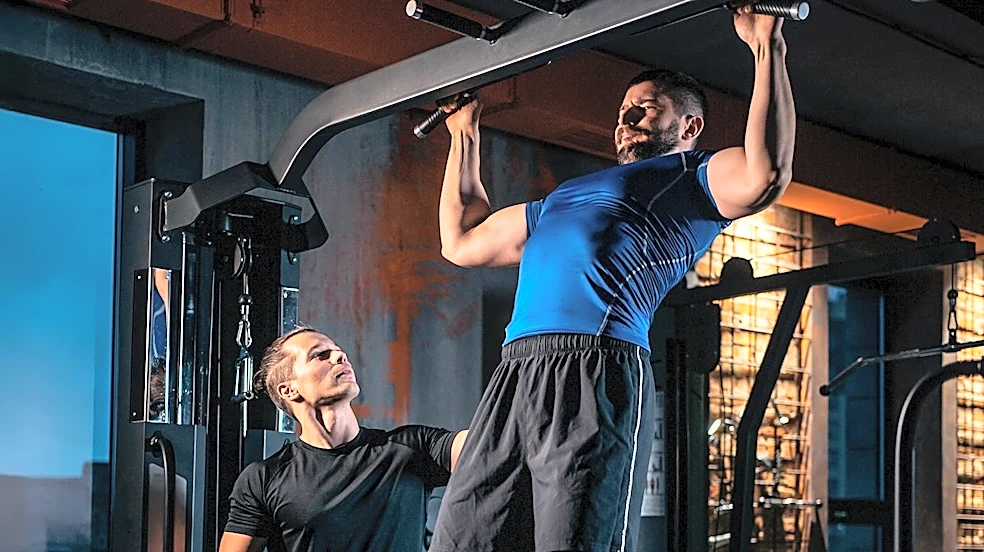
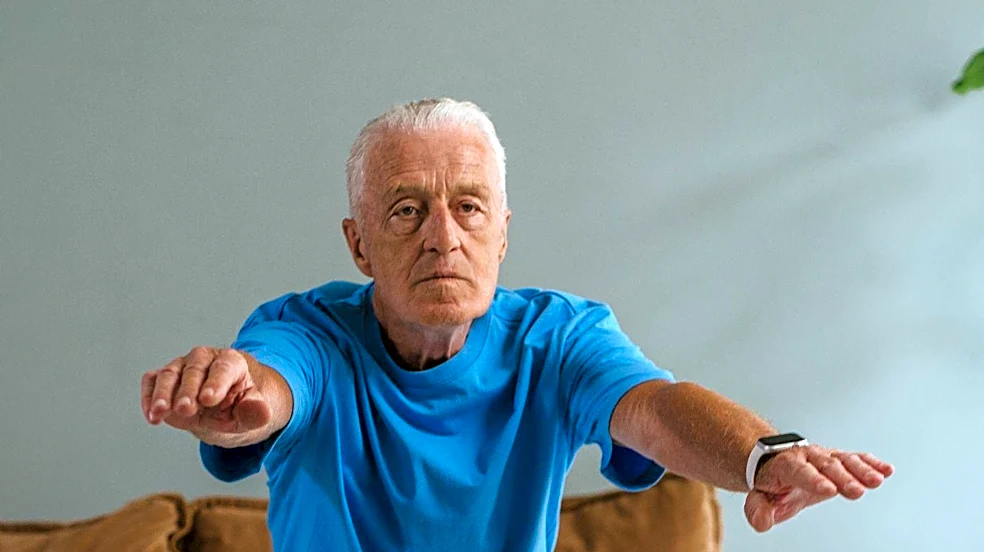
Osteoporosis Day, Dr. Peck explained that weight-bearing exercises stimulate tissue growth, leading to stronger bones. Beyond bone health, strength training offers numerous benefits, including improved heart health, a boosted metabolism, and a reduced risk of various chronic diseases. He advises individuals to engage in strength training at least twice a week, focusing on compound exercises like bench presses, deadlifts, or squats that target multiple muscle groups. For beginners, Dr. Peck recommends starting with lighter weights and fewer repetitions to master proper form before gradually increasing the load. He stresses that maintaining good technique is paramount to prevent injury and maximize effectiveness. Dr. Peck also noted that it is never too late to begin strength training, citing research that shows benefits for individuals even in their 90s.
Why It's Important?
The insights from Dr. Peck are particularly important for public health in the U.S., given the rising concerns about osteoporosis and chronic diseases among an aging population. Osteoporosis, which disproportionately affects women, can lead to debilitating fractures and a significant decrease in quality of life. By promoting strength training as a preventative measure, healthcare providers can empower individuals to take proactive steps in managing their bone density and overall physical well-being. The broader benefits of strength training, such as enhanced cardiovascular health and metabolic function, address other prevalent health issues like heart disease and diabetes, which place a substantial burden on the U.S. healthcare system. Encouraging consistent, properly executed strength training can lead to a healthier, more active populace, potentially reducing healthcare costs and improving the independence of older adults. The emphasis on starting with proper form and manageable weights makes this accessible to a wider demographic, including those who may be intimidated by traditional weightlifting.
What's Next?
Following Dr. Peck's recommendations, individuals are encouraged to integrate strength training into their weekly routines, aiming for at least two sessions. The focus will be on selecting three to four multi-muscle exercises and prioritizing proper form over heavy weights, especially for beginners. Healthcare providers and fitness professionals may further disseminate these guidelines, potentially leading to increased participation in resistance training programs across various age groups. Educational campaigns could highlight the long-term benefits, such as improved bone density and reduced risk of chronic diseases, to motivate more people to adopt this form of exercise. Future research might explore the most effective strength training protocols for specific demographics, such as women over 40, to optimize outcomes for osteoporosis prevention and overall health.
Beyond the Headlines
The emphasis on strength training extends beyond physical health, touching upon broader societal implications related to aging and independence. By promoting stronger bones and muscles, strength training can significantly enhance the ability of older adults to perform daily activities, thereby fostering greater autonomy and reducing reliance on caregivers. This has profound economic and social benefits, as a more independent senior population can contribute more actively to their communities and experience a higher quality of life. Furthermore, shifting the narrative from solely focusing on cardiovascular exercise to incorporating strength training challenges conventional fitness paradigms, encouraging a more holistic approach to health. The message that it's 'never too late to start' also combats ageism in fitness, promoting inclusivity and demonstrating that physical improvements are attainable at any stage of life, fostering a more active and resilient society.