





What's Happening?
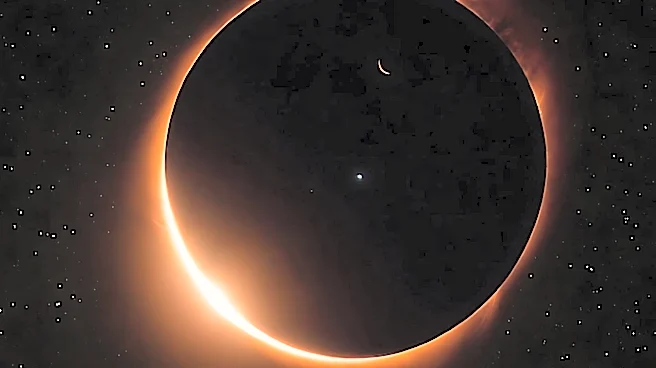
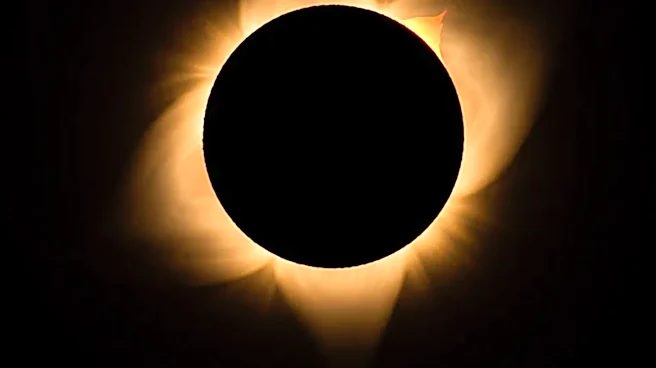
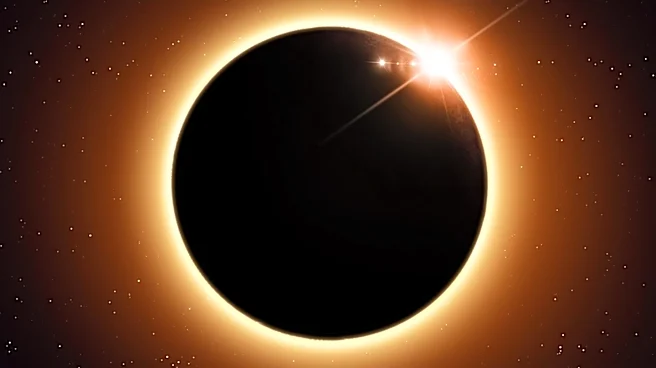
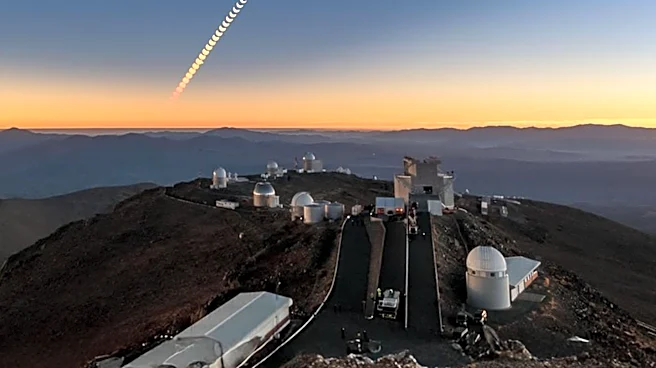
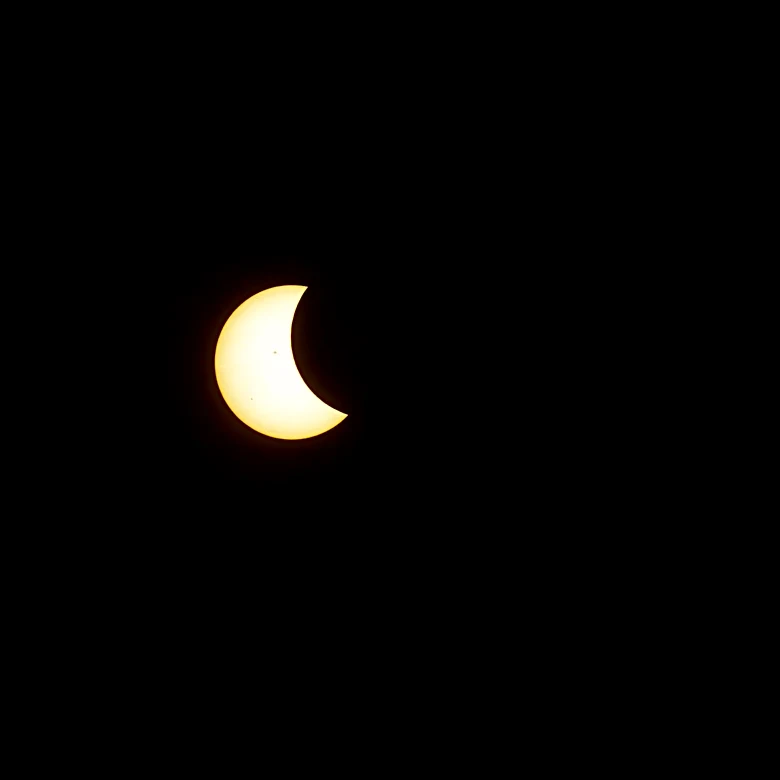
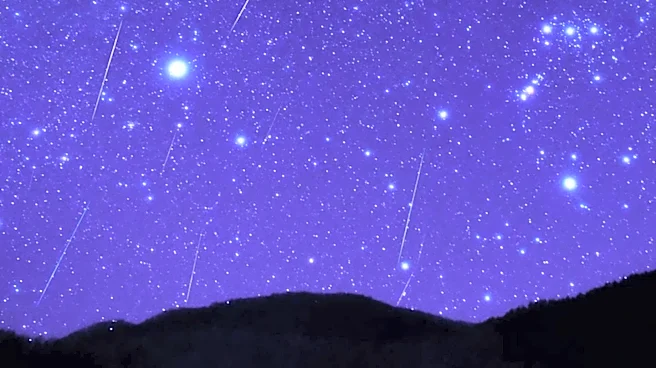
The Perseid meteor shower is set to begin on July 17, 2026, coinciding with a total solar eclipse on August 12, 2026. This celestial event will be visible in parts of Europe and North America, with the eclipse crossing eastern Greenland, western Iceland,
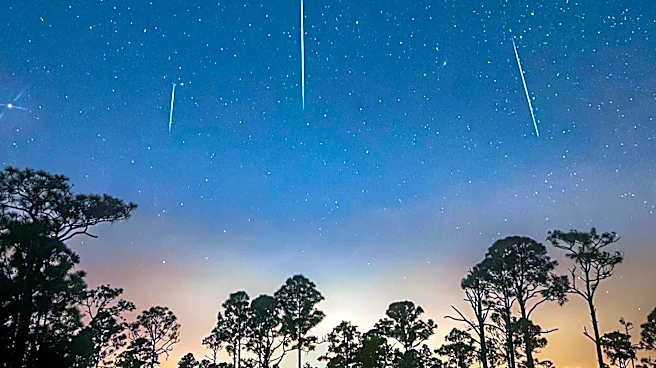
and northern Spain. The Perseid meteor shower, known for its bright fireballs, will peak under moonless skies just hours after the eclipse, providing an exceptional opportunity for skywatchers. The shower is active from July 17 to August 24, with its peak expected on the night of August 12-13, where observers could see over 50 meteors per hour under ideal conditions.
Why It's Important?
The alignment of the Perseid meteor shower with a total solar eclipse presents a rare and exciting opportunity for astronomers and enthusiasts alike. Such events can boost interest in astronomy and skywatching, encouraging educational and recreational activities related to space observation. The visibility of these events in North America and Europe could lead to increased public engagement and awareness of astronomical phenomena, potentially inspiring future generations of scientists and hobbyists.
What's Next?
As the Perseid meteor shower progresses, skywatchers are encouraged to begin their observations now, especially during the early morning hours when the constellation Perseus is higher in the sky. The peak viewing period will be around August 12-13, coinciding with the solar eclipse, making it a prime time for observation. Enthusiasts should prepare for these events by finding locations with minimal light pollution to maximize their viewing experience.