





What's Happening?
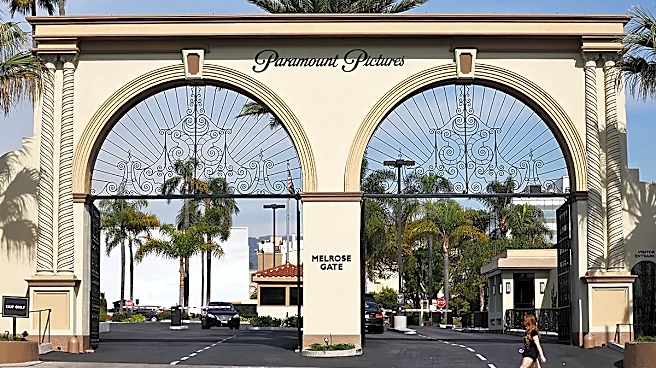
The multibillion-dollar media conglomerate formed by the merger of Paramount and Warner Bros. Discovery will officially operate under the corporate identity of Skydance. Chairman and CEO David Ellison confirmed that the combined enterprise will adopt
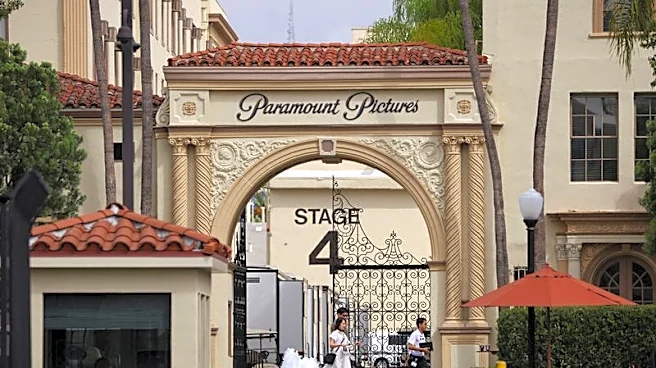
the name of his original film production company, Skydance Media, while preserving Paramount and Warner Bros. as dedicated sub-brands. The monumental transaction, valued at $111 billion, is scheduled to close on October 6. This merger consolidates two major Hollywood movie studios, the HBO Max and Paramount+ streaming platforms, and prominent television networks including CBS, CNN, MTV, TBS, Comedy Central, and the Food Network. Ellison stated that adopting the Skydance corporate banner provides a powerful operational engine for the legacy brands without overshadowing their historical identities. The corporation will transition its Class B Common Stock from Nasdaq to the New York Stock Exchange under the ticker symbol “SKYD” starting October 6.
Why It's Important?
This merger represents a significant consolidation within the U.S. media industry, creating a new powerhouse that will impact content production, distribution, and streaming services. The decision to brand the parent company as Skydance, while maintaining Paramount and Warner Bros. as sub-brands, is a strategic move to present a unified corporate face to Wall Street while leveraging the established consumer loyalty of the legacy studios. This new entity will compete directly with other dominant market players like Netflix, potentially leading to shifts in content catalogs, pricing tiers, and overall streaming strategies. The substantial financial obligations, including projected debt north of $80 billion, highlight the immense scale and financial engineering involved in this transaction. The involvement of Larry Ellison, who has personally guaranteed $46.7 billion in equity financing, and significant investments from Middle Eastern sovereign wealth funds, underscores the global financial interest and backing behind this U.S. media giant.
What's Next?
The formal transition to the New York Stock Exchange under the ticker “SKYD” is scheduled for October 6, which will be a key event for market participants. Executive restructuring is already underway, with former Mattel chief Ynon Kreiz joining as co-CEO and new leadership appointed for the film divisions. On the streaming and television front, HBO head Casey Bloys is positioned to manage the combined streaming operations, indicating a streamlined direct-to-consumer strategy. Over the coming months, subscribers to HBO Max and Paramount+ can expect content catalogs to merge, pricing tiers to adjust, and technical backends to harmonize. The newly formed company will face the challenge of managing its staggering debt load through newly issued bonds and loans. The success of this consolidation will depend on its ability to maintain subscriber retention while optimizing operational expenditures and delivering a robust theatrical slate, with approximately 35 films scheduled for release next year.
Beyond the Headlines
The formation of Skydance as the corporate identity for the combined Paramount and Warner Bros. Discovery raises deeper questions about the future of brand identity in an era of media consolidation. While traditional media giants often leverage a single consumer-facing corporate moniker, this strategy aims to protect the century-old studios from bureaucratic dilution by placing Skydance at the top of the corporate pyramid. This approach could set a precedent for how legacy brands are managed within larger conglomerates, balancing corporate efficiency with consumer recognition. The significant financial backing from Middle Eastern sovereign wealth funds also highlights the increasing global influence on U.S. media ownership and strategic direction. Furthermore, the intense scrutiny on output volume and financial discipline, particularly in the film divisions, reflects a broader industry trend towards tighter fiscal oversight and a re-evaluation of high-budget gambles in the theatrical market, potentially influencing the types of content produced and distributed in the coming years.