


What's Happening?
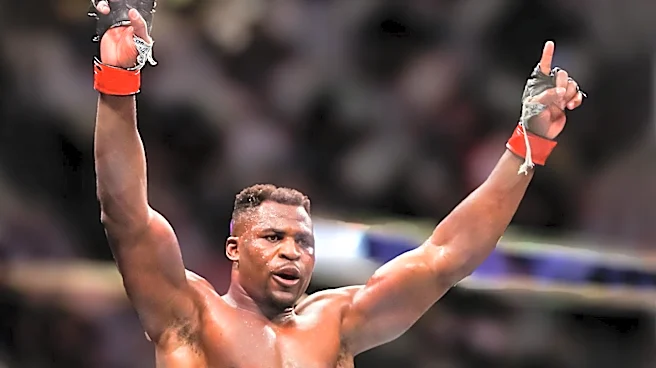
UFC legend Randy Couture has publicly defended Francis Ngannou amidst the ongoing and intensifying feud between Ngannou and UFC CEO Dana White. The animosity between Ngannou and White has been a long-standing issue, with White previously claiming Ngannou was
afraid to fight and recently stating that Ngannou is one of the people he dislikes the most. Ngannou has responded to White's comments on social media, further escalating the war of words. Couture, speaking to the media, sided with Ngannou, asserting that the former UFC heavyweight champion was advocating for better conditions for all fighters, not just himself. Couture revealed that Ngannou sought improvements in fighter regulation, drug testing protocols, and benefits such as 401(k) plans and health insurance, which Couture believes are currently lacking for fighters. This stance, according to Couture, is the core reason for the strained relationship between Ngannou and White, ultimately leading to Ngannou's departure from the UFC to the PFL.
Why It's Important?
This intervention by Randy Couture is significant because it brings a respected voice from within the UFC's history to a highly public and contentious dispute. Couture's support for Ngannou's position on fighter welfare highlights a critical and ongoing debate within mixed martial arts regarding athlete compensation, benefits, and overall treatment. His comments underscore the challenges fighters face in securing comprehensive benefits like 401(k)s and health insurance, which are standard in many other professional sports. This feud, now amplified by Couture's statements, could reignite broader discussions about fighter unionization or collective bargaining within the UFC and other MMA promotions. It also sheds light on the power dynamics between promotion executives and athletes, where a fighter's advocacy for better conditions can lead to significant professional repercussions, as seen in Ngannou's move to the PFL. The public nature of this dispute could influence how current and future fighters approach contract negotiations and their demands for improved working conditions.
What's Next?
The ongoing public feud between Francis Ngannou and Dana White, now with Randy Couture's vocal support for Ngannou, is likely to continue to unfold in the media and on social platforms. This situation could prompt further reactions from other fighters, current or former, who may choose to weigh in on the issue of fighter welfare and the relationship between athletes and promotions. While Ngannou is currently competing in the PFL, the underlying issues he raised regarding fighter benefits remain pertinent to the entire MMA landscape. This could lead to increased scrutiny on the UFC's fighter compensation and benefits packages, potentially influencing future contract negotiations for other athletes. It may also encourage more open dialogue within the MMA community about the need for greater protections and financial security for fighters, possibly leading to renewed calls for collective action or policy changes within the sport.
Beyond the Headlines
The feud between Francis Ngannou and Dana White, and Randy Couture's defense of Ngannou, touches upon deeper ethical and economic considerations within professional sports. The core of the dispute revolves around the perceived imbalance of power and financial distribution between a major sports league and its athletes. Ngannou's alleged demands for better benefits and a stronger voice for fighters reflect a growing trend across various sports where athletes are increasingly advocating for greater control over their careers and a larger share of the revenue they help generate. This situation highlights the unique challenges in MMA, where fighters are often classified as independent contractors, limiting their access to benefits typically afforded to employees. Couture's support lends historical weight to these concerns, as he himself has been a vocal advocate for fighter rights. This ongoing narrative could contribute to a long-term shift in how fighter contracts are structured and how athlete welfare is prioritized in the sport, potentially leading to more robust protections and benefits for MMA fighters in the future.