
What's Happening?
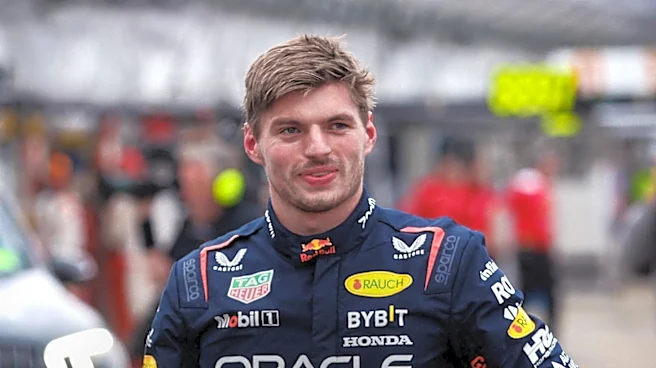
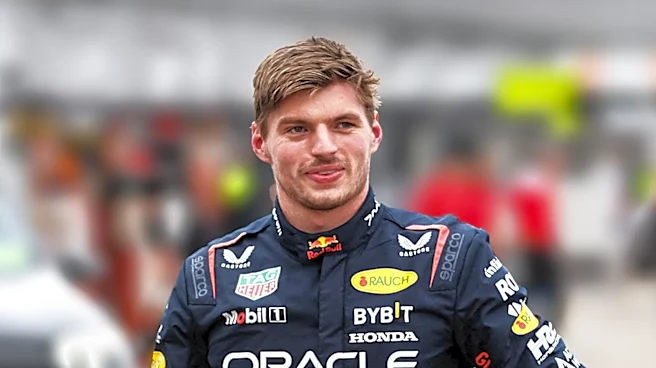
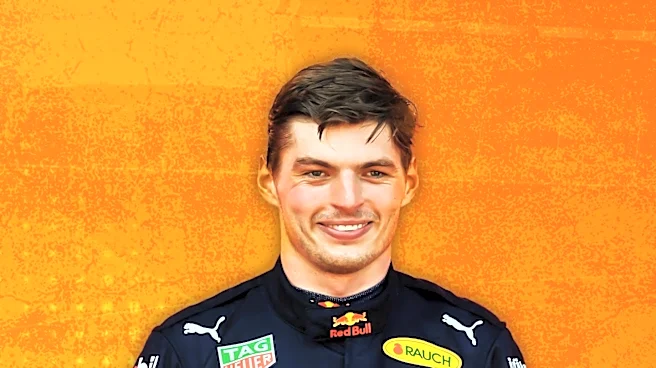
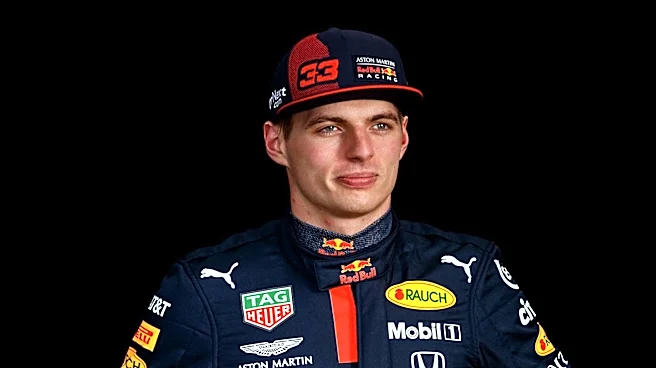
Formula 1 driver Max Verstappen has established 'Verstappen Racing,' a motorsport operation that diverges from traditional karting and single-seater development pathways. This platform integrates professional GT competition with sim racing, aiming to create
opportunities for drivers from diverse backgrounds. An example of its success is Chris Lulham, who transitioned from Team Redline's sim racing environment to professional GT3 competition with Verstappen's support. Lulham achieved significant success in 2025, securing the Gold Cup class at the 24 Hours of Spa and winning GT World Challenge Europe Gold Cup titles in both Sprint and Endurance championships alongside Thierry Vermeulen. For 2026, Verstappen Racing partnered with Mercedes-AMG Motorsport, with Lulham competing in the GT World Challenge Europe. Verstappen himself participated in the season-ending race at Portimao, sharing a Mercedes-AMG GT3. The team's virtual racing activities continue under the Verstappen Sim Racing identity, and the program also supports Thierry Vermeulen in GT3 championships like DTM.
Why It's Important?
Verstappen's initiative is significant because it offers an alternative route into professional motorsport, particularly for drivers emerging from competitive sim racing, a growing segment of the racing world. This approach challenges the conventional, often financially prohibitive, path through karting and junior single-seater categories. By investing in GT racing and sim racing, Verstappen Racing broadens the talent pool and provides opportunities for individuals who might not otherwise have the means or access to traditional motorsport ladders. This could lead to a more diverse and inclusive future for professional racing, potentially unearthing talent from unexpected places. The partnership with established entities like Mercedes-AMG Motorsport also lends credibility and resources to this alternative development model, potentially inspiring other prominent figures in motorsport to explore similar ventures.
What's Next?
Verstappen Racing is expected to continue its expansion in professional GT competition and sim racing. The partnership with Mercedes-AMG Motorsport for the 2026 season indicates a commitment to high-level competition, and further collaborations with other manufacturers or racing series could be on the horizon. The continued support for drivers like Chris Lulham and Thierry Vermeulen suggests a long-term vision for driver development within this unique framework. As sim racing continues to gain prominence, Verstappen Racing's model could become a blueprint for other organizations looking to bridge the gap between virtual and real-world motorsport. Future developments might include expanding into other GT categories or establishing more formal pathways for sim racers to transition into professional driving careers.
Beyond the Headlines
Verstappen Racing's model highlights a broader shift in motorsport, acknowledging the increasing relevance and skill transferability from sim racing to real-world competition. This initiative could challenge the traditional perception that only drivers from affluent backgrounds can succeed in motorsport. By providing a platform for sim racers, Verstappen is not only diversifying the talent pool but also legitimizing sim racing as a viable pathway to professional careers. This could have long-term implications for how motorsport academies are structured and funded, potentially leading to a more meritocratic system where talent, regardless of financial background, has a clearer path to the top. It also underscores the evolving nature of athlete development in the digital age, where virtual platforms can serve as crucial training grounds.