



What's Happening?
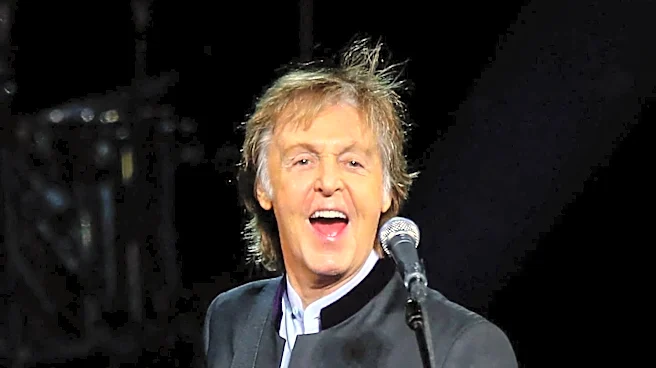
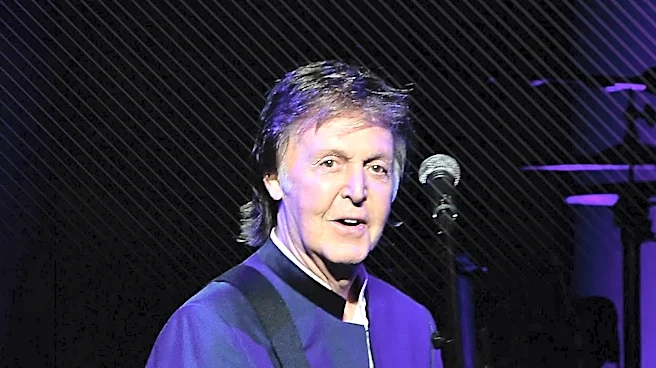
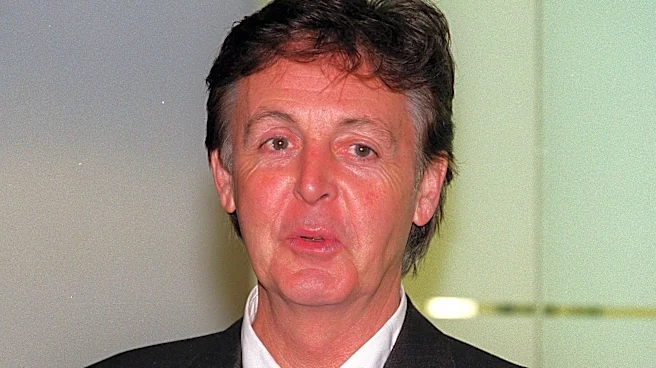
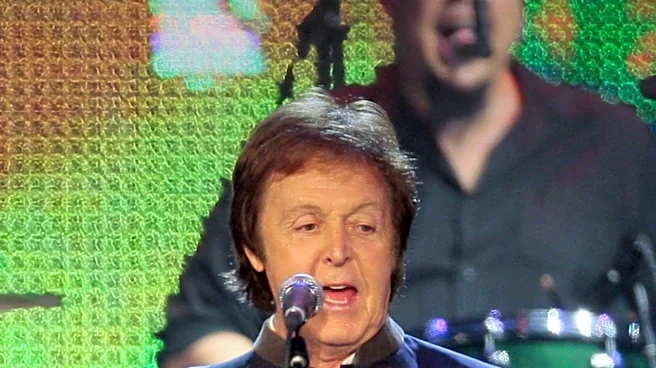
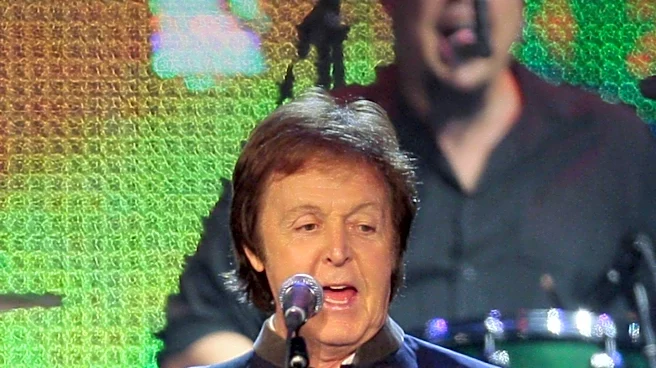
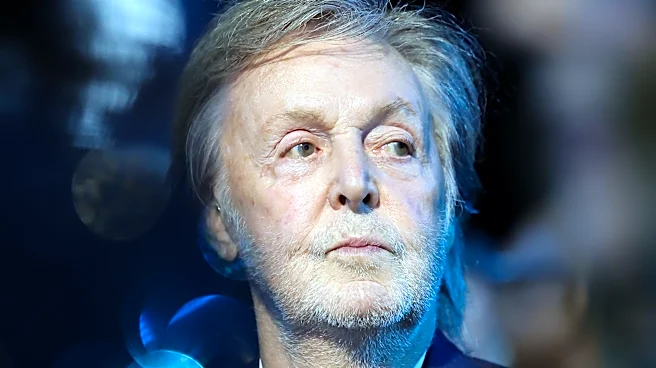
Paul McCartney, the 84-year-old music legend, has officially surpassed a net worth of $1 billion, now estimated at $1.4 billion, according to Forbes. This milestone places him among an exclusive group of the world's wealthiest musicians. Despite his long
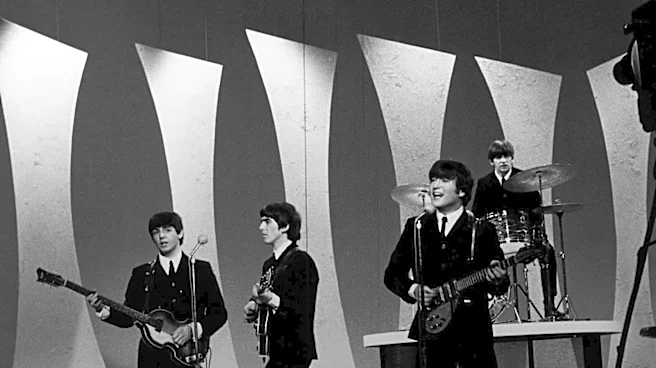
and successful career, Forbes indicates that McCartney earned less than many might have assumed for a significant period. His fortune has been accumulated through decades of performing, legal battles over music rights, touring, and various endeavors. He is noted for his efforts in securing a larger share of The Beatles' catalog, which now reportedly generates approximately $50 million annually for him, Ringo Starr, and the estates of John Lennon and George Harrison. McCartney's personal stake in this catalog is valued at least at $200 million, contributing significantly to his overall wealth.
Why It's Important?
This financial achievement for Paul McCartney highlights the enduring value of intellectual property in the music industry, particularly for artists with extensive catalogs. His decades-long pursuit of better compensation for The Beatles' music underscores the complex financial structures and historical inequities that can exist between artists and record labels or publishers. The reported $50 million annual earnings from The Beatles' catalog for the surviving members and estates demonstrates the substantial long-term revenue potential of iconic musical works. This also sets a precedent and provides insight into the financial power and legacy building possible for artists who maintain control or secure favorable terms for their creative output. For the music industry, it reinforces the importance of catalog ownership and strategic financial management for artists.
What's Next?
While McCartney has reached this significant financial milestone, the broader implications for other musicians and their estates could involve increased scrutiny of catalog rights and valuations. The success of artists like McCartney in securing substantial wealth from their past works may encourage current and emerging artists to negotiate more aggressively for ownership and better royalty structures. This trend could lead to shifts in how music rights are managed and valued within the industry. Furthermore, the continued financial success of legacy artists like McCartney could influence investment trends in music catalogs, as these assets prove to be highly lucrative and stable over time.
Beyond the Headlines
McCartney's journey to billionaire status, particularly his efforts to gain a larger share of The Beatles' catalog, reflects a broader narrative within the entertainment industry concerning artist rights and ownership. For decades, many artists, especially from earlier eras, signed contracts that heavily favored labels and publishers, often leaving them with a disproportionately small share of the profits from their own creations. McCartney's persistent legal and business maneuvering to reclaim and maximize the value of The Beatles' intellectual property serves as a powerful example of an artist fighting for economic justice and control over their legacy. This ongoing struggle for fair compensation and ownership continues to shape discussions around artist contracts, streaming royalties, and the overall economic model of the music business.