











What's Happening?
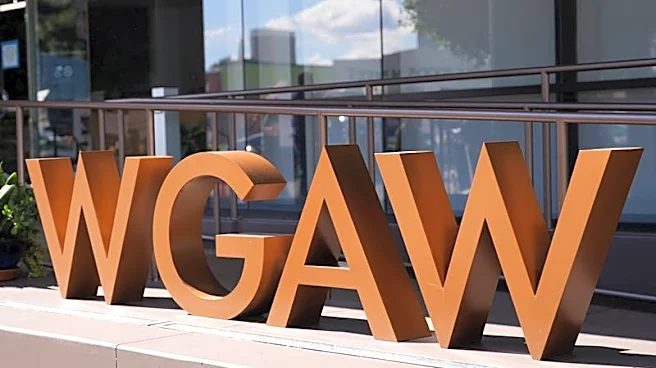
The Writers Guild of America (WGA) has filed a lawsuit against Paramount, challenging its planned $111-billion acquisition of Warner Bros. Discovery. The lawsuit alleges that the merger would violate federal antitrust laws by reducing competition, which
could lead to lower wages and fewer job opportunities for writers. This legal action follows a similar lawsuit led by California Attorney General Rob Bonta and 11 other state attorneys general, who argue that the merger would harm the economy by raising prices, lowering quality, and reducing output. The WGA's lawsuit represents a significant challenge to the merger, which has already received approvals from the U.S. Justice Department and several foreign governments. Paramount is currently reviewing the lawsuit.
Why It's Important?
The lawsuit by the WGA highlights significant concerns about the impact of media consolidation on employment and competition within the entertainment industry. If the merger proceeds, it could create a dominant entity with substantial power over the employment conditions of writers, potentially leading to job losses and reduced wages. This case underscores the broader debate over the effects of large corporate mergers on market competition and worker rights. The outcome of this legal battle could set a precedent for future mergers in the entertainment sector, influencing how antitrust laws are applied to protect workers and maintain competitive markets.
What's Next?
The legal proceedings will continue as the WGA and the coalition of state attorneys general pursue their cases against the merger. A temporary restraining order has been requested to halt the merger while the case is pending. The outcome of these legal challenges could influence the timeline and terms of the merger, with potential implications for the broader entertainment industry. Stakeholders, including writers, industry workers, and consumers, will be closely monitoring the developments, as the merger's approval or rejection could significantly impact job markets and media production landscapes.