





What's Happening?
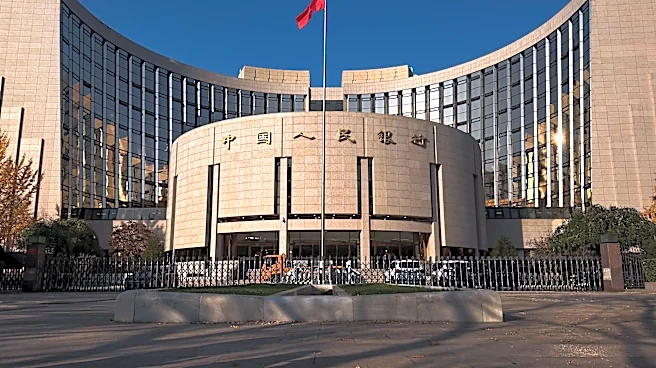
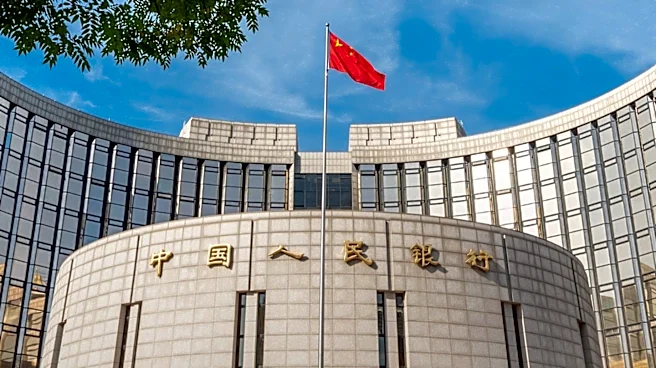
The People's Bank of China (PBOC) plays a crucial role in setting the framework for cross-border RMB settlement, which directly impacts RMB lending within China's Free Trade Zones (FTZs). Foreign entities looking to lend onshore in mainland China, particularly
through FTZs, must navigate PBOC reporting requirements and, in specific cases, filings. While a non-bank FTZ lending vehicle typically engages with the PBOC through reporting rather than licensing, the boundary for regulated financial-institution business, such as deposit-taking, necessitates approval from the National Financial Regulatory Administration (NFRA) along with associated capital and governance obligations. The State Administration of Foreign Exchange (SAFE) also governs cross-border capital flows, requiring registration or record filing for many cross-border lending arrangements, especially when funds move from offshore to onshore. These regulatory bodies ensure that while FTZs offer facilitative measures, core national banking and financial laws remain in effect, requiring careful adherence to reporting and compliance duties.
Why It's Important?
This regulatory framework is highly significant for U.S. businesses and financial institutions considering or currently engaged in lending activities within China's Free Trade Zones. The PBOC's guidelines, in conjunction with SAFE and NFRA regulations, dictate the operational feasibility, compliance burden, and potential risks for foreign lenders. Understanding these requirements is critical for structuring compliant and efficient lending operations, whether through a wholly foreign-owned enterprise (WFOE) in an FTZ, an onshore licensed bank, or an offshore loan with onshore registration. The ability to navigate these regulations directly impacts the cost of capital, the ease of repatriation, and the enforceability of security interests for U.S. entities. Missteps in compliance, particularly regarding unregistered flows, can lead to significant foreign exchange penalties and blocked repatriation, posing substantial financial risks to U.S. investors and businesses operating in China.
What's Next?
Foreign lenders and U.S. businesses planning to engage in China's FTZ lending market will need to continuously monitor updates from the PBOC, SAFE, and NFRA. The regulatory landscape in FTZs is dynamic, with ongoing policy pilots and evolving measures, particularly in active zones like Shanghai. Future developments may include further streamlining of cross-border RMB flows or adjustments to reporting and approval processes. Entities should engage qualified local advisors to ensure compliance with current regulations and to anticipate potential changes. Adherence to Anti-Money Laundering (AML) laws, foreign exchange filings, and tax obligations will remain critical ongoing responsibilities. The choice of lending structure—FTZ onshore lending vehicle, onshore licensed bank, or offshore loan with registration—will depend on specific objectives, risk tolerance, and the ability to manage the associated compliance and capital requirements.
Beyond the Headlines
The PBOC's framework for FTZ lending reflects China's broader strategy to open its financial markets while maintaining control over capital flows and financial stability. For the U.S., this delicate balance presents a complex environment. On one hand, increased access to China's onshore lending market through FTZs can create new opportunities for U.S. financial institutions and businesses seeking to finance operations or investments in China. On the other hand, the stringent regulatory requirements, including those related to cross-border RMB settlement and foreign exchange, highlight the ongoing challenges of operating within a controlled financial system. The emphasis on AML and data security also points to a growing focus on financial integrity and data governance, which could influence global standards and practices. The long-term implications involve how successfully U.S. entities can adapt to these evolving regulations, potentially shaping the future of U.S.-China financial relations and the global financial architecture.