







What's Happening?
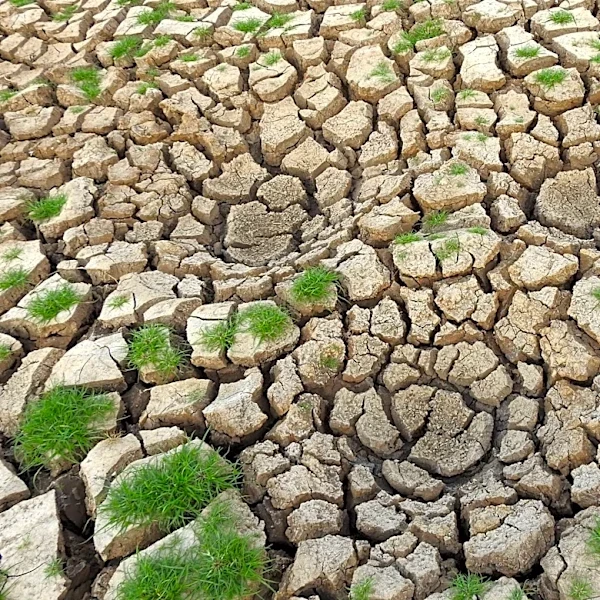
Climate inflation is increasingly affecting consumer prices, with rising temperatures and extreme weather events driving up costs for essentials like food, insurance, and energy. Heatwaves, droughts, and storms are reducing crop yields and disrupting
supply chains, leading to higher food prices. Insurance premiums are rising as climate-related disasters become more frequent and costly. Additionally, increased demand for air conditioning is driving up energy costs. These changes are part of a broader trend where climate change is becoming a significant factor in economic inflation.
Why It's Important?
The economic impact of climate change is becoming more pronounced, affecting everyday expenses for consumers. As climate-related costs rise, they contribute to broader economic inflation, impacting household budgets and potentially leading to increased financial strain for many families. This trend highlights the need for policies that address climate resilience and adaptation, as well as measures to mitigate the economic burden on consumers. Understanding the link between climate change and economic factors is crucial for developing effective strategies to manage these challenges.
What's Next?
Governments and businesses may need to invest in climate adaptation and resilience measures to mitigate the economic impacts of climate change. This could include infrastructure improvements, changes in agricultural practices, and innovations in energy efficiency. Policymakers might also consider financial support for vulnerable populations affected by rising costs. As climate change continues to influence economic conditions, ongoing research and policy development will be essential to address these complex challenges.