



What's Happening?
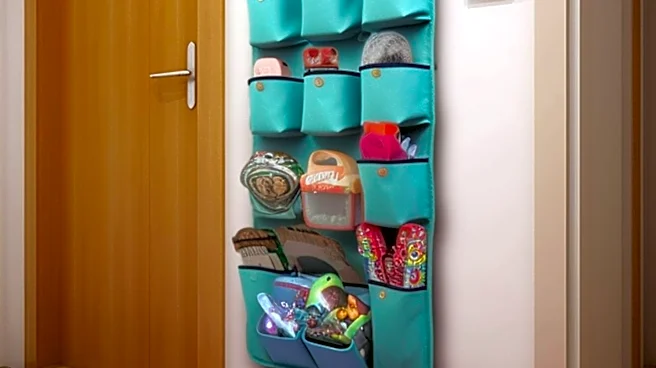
Effective organization in small living spaces, such as apartments and studio units, is increasingly focusing on maximizing vertical areas and utilizing multi-functional furniture. Strategies include installing floating shelves, wall-mounted organizers,
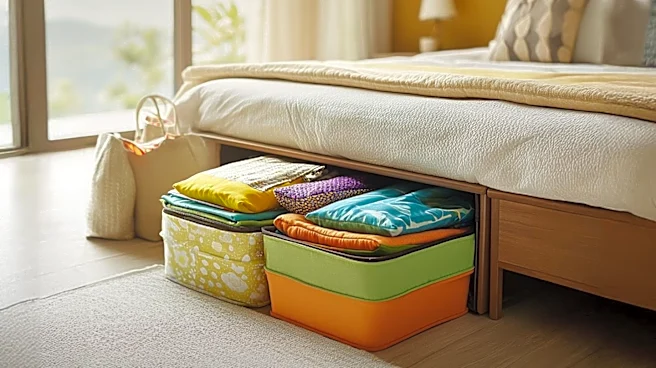
and tall shelving units to free up floor and counter space. Furniture pieces that serve dual purposes, like ottomans with hidden storage or beds with built-in drawers, are highlighted as essential for gaining storage and functionality without cluttering a room. The approach also involves creating designated 'drop zones' for everyday items like keys and bags to prevent clutter accumulation. Baskets are recommended for grouping similar items and controlling visual clutter on open shelves and countertops, contributing to a calmer aesthetic. Additionally, hidden storage spaces, such as under beds and inside cabinets, are being optimized with low-profile boxes and drawer dividers. The emphasis is on making the most of existing space rather than acquiring more storage units.
Why It's Important?
The shift towards optimizing small living spaces reflects broader demographic and economic trends in the U.S., particularly the increasing urbanization and demand for affordable housing in metropolitan areas. As more Americans move into smaller apartments and studio units, efficient space utilization becomes critical for maintaining quality of life and mental well-being. This trend impacts the furniture and home goods industries, driving innovation in compact, convertible, and modular designs. Consumers benefit from practical solutions that reduce stress and enhance daily routines, while manufacturers and retailers see a growing market for space-saving products. The focus on decluttering and intentional organization also aligns with minimalist lifestyle trends, promoting conscious consumption and reducing waste. For urban developers and property managers, offering well-organized, functional small spaces can be a significant selling point, attracting tenants and increasing property value in competitive markets.
What's Next?
The market for small-space organization solutions is expected to continue its growth, with further innovations in design and technology. We can anticipate more furniture pieces integrating smart technology, such as charging stations or adjustable features, to enhance multi-functionality. The demand for customizable and modular storage systems will likely increase, allowing individuals to tailor solutions to their specific needs and evolving living situations. Retailers may expand their offerings of specialized organizers, from drawer dividers to over-the-door racks, catering to diverse storage challenges. Additionally, there could be a greater emphasis on sustainable and eco-friendly materials in these products, aligning with growing consumer environmental consciousness. Educational content and professional organizing services specializing in small spaces are also likely to see increased demand, helping consumers implement these strategies effectively and maintain organized homes over time.
Beyond the Headlines
The emphasis on small-space organization extends beyond mere tidiness; it touches upon psychological and cultural aspects of modern living. In an increasingly fast-paced and consumer-driven society, the ability to maintain an organized and uncluttered home can significantly impact mental health, reducing anxiety and promoting a sense of control. The rise of minimalist aesthetics and the 'tiny house' movement reflect a broader cultural shift towards valuing experiences over possessions, and efficient space management is central to this philosophy. Ethically, the focus on maximizing existing space rather than constantly acquiring larger homes or more storage units can contribute to a more sustainable lifestyle, reducing consumption and environmental impact. This trend also highlights the ingenuity required to adapt to urban living constraints, fostering creativity in design and personal habits. Ultimately, effective small-space organization is not just about physical arrangement but about cultivating a more intentional and peaceful way of life.