





What's Happening?
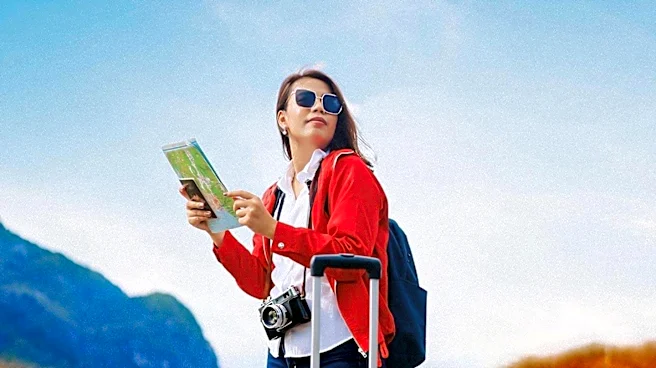
Solo travel provides individuals with complete control over their itineraries and daily decisions, a key motivator for those who wish to explore the world without coordinating with others. This form of travel appeals particularly to individuals who value
personal autonomy and efficient use of their time. For those new to solo adventures, it is recommended to begin with manageable destinations and shorter trips, such as a long weekend, to assess their comfort and enjoyment. Essential safety measures for solo travelers include safeguarding valuables, adhering to a predetermined budget, and sharing their travel plans with trusted contacts. The experience, while offering freedom, also requires individuals to manage all logistical aspects, from transportation and accommodation to dining and sightseeing, highlighting the comprehensive responsibility that comes with traveling alone.
Why It's Important?
The growing interest in solo travel reflects a broader societal trend towards individual empowerment and self-reliance. This shift impacts the travel and tourism industry by creating demand for services and accommodations tailored to single travelers, such as solo-friendly tours, smaller room options, and enhanced safety features. For individuals, solo travel can foster significant personal development, including increased confidence, problem-solving skills, and a deeper understanding of personal preferences. It challenges individuals to step outside their comfort zones, manage unexpected situations independently, and engage with new environments on their own terms. This emphasis on personal agency and self-discovery contributes to mental well-being and a sense of accomplishment, making it a valuable experience for many seeking personal growth.
What's Next?
As solo travel continues to gain popularity, the travel industry is likely to further adapt by offering more specialized products and services. This could include an increase in guided solo tours, communal dining experiences designed for single travelers, and technology solutions aimed at enhancing safety and connectivity. Travelers can expect more resources and platforms dedicated to planning and executing solo trips, from detailed destination guides to community forums for sharing experiences and tips. Additionally, there may be a greater focus on promoting destinations that are particularly safe and accessible for individuals traveling alone. The trend suggests a future where solo travel is not just an alternative but a mainstream and well-supported option for exploring the world.
Beyond the Headlines
Beyond the immediate practicalities, solo travel delves into deeper psychological and cultural implications. It challenges the societal norm of shared experiences, encouraging individuals to find fulfillment and joy in their own company. This can lead to a re-evaluation of personal relationships and a stronger sense of self-identity, as travelers learn to rely solely on their own judgment and instincts. The act of eating alone, for instance, often perceived as awkward, becomes a testament to self-acceptance and independence. Furthermore, solo travel can subtly influence cultural perceptions of independence and adventure, potentially inspiring more individuals to embrace personal journeys and redefine what it means to explore the world. It underscores the idea that personal growth often occurs outside of one's comfort zone and without the constant validation of others.