






What's Happening?
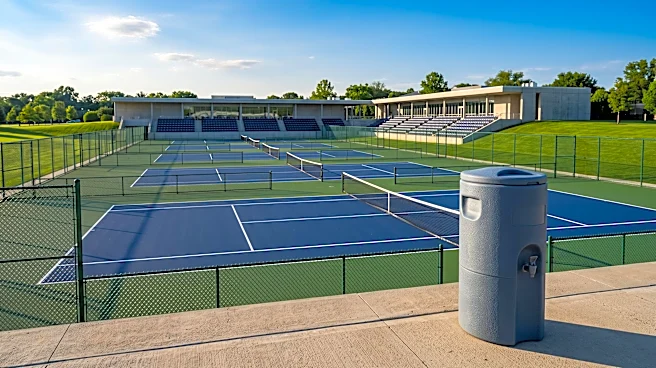
Wilmington College is actively seeking an Intern Assistant Men’s & Women’s Tennis Coach for its inaugural season, set to commence in the Fall of 2026. The ideal candidate is described as a motivated self-starter with significant collegiate tennis playing
experience and a strong desire to learn the college tennis coaching profession. While primarily an internship, there is a possibility for the position to be structured as a graduate assistantship for a suitable candidate. The compensation package for this role includes housing, meals, a stipend, and equipment and apparel. Additionally, the intern will have the opportunity to take free graduate classes in Organizational Management. This position offers a unique chance to learn from an experienced NCAA Division I Head and Assistant coach within a supportive environment, contributing to the establishment of a new NCAA Division III Men’s & Women’s Tennis program. Preference will be given to individuals aspiring to a career in college or professional tennis coaching, with women and minorities strongly encouraged to apply. Required qualifications include a Bachelor’s Degree and college tennis playing experience, while preferred experience includes stringing, past tennis instruction, and 12/15 passenger van operation.
Why It's Important?
This initiative by Wilmington College is significant for several reasons. Firstly, it marks the establishment of new athletic programs, which can enhance the college's profile, attract new students, and diversify its campus community. For aspiring tennis coaches, this internship provides a crucial entry point into the competitive field of collegiate athletics, offering hands-on experience and mentorship from seasoned professionals. The comprehensive compensation package, including housing, meals, and graduate classes, makes this opportunity particularly attractive and accessible, potentially lowering financial barriers for individuals pursuing a coaching career. By encouraging women and minorities to apply, Wilmington College is also contributing to greater diversity within collegiate coaching, addressing historical underrepresentation in sports leadership roles. The development of new Division III programs also expands opportunities for student-athletes to compete at a collegiate level, fostering their athletic and academic growth.
What's Next?
Wilmington College will proceed with the application and interview process to select the most qualified candidate for the Intern Assistant Men’s & Women’s Tennis Coach position. Once hired, the coach will play a pivotal role in recruiting student-athletes and establishing the foundational aspects of the new men's and women's tennis programs for the Fall 2026 season. This will involve developing training regimens, scheduling matches, and fostering team cohesion. The success of this inaugural season will be crucial for the long-term viability and growth of the tennis programs. The college will likely monitor the program's progress, student-athlete satisfaction, and competitive performance to assess its impact and inform future athletic department decisions. The intern coach's performance and engagement in graduate studies could also lead to further career opportunities within collegiate athletics.
Beyond the Headlines
The creation of new collegiate sports programs, such as the tennis teams at Wilmington College, reflects broader trends in higher education and sports. It highlights the ongoing value placed on extracurricular activities as a means of student engagement, recruitment, and holistic development. The emphasis on mentorship and professional development within the internship speaks to the evolving landscape of sports coaching, where formal education and practical experience are increasingly intertwined. Furthermore, the explicit encouragement for women and minorities to apply for coaching roles is part of a larger movement to promote equity and inclusion in sports leadership. This not only enriches the coaching staff but also provides diverse role models for student-athletes. The success of such programs can also have a ripple effect on local communities, fostering sports participation and engagement beyond the college campus.