



What's Happening?
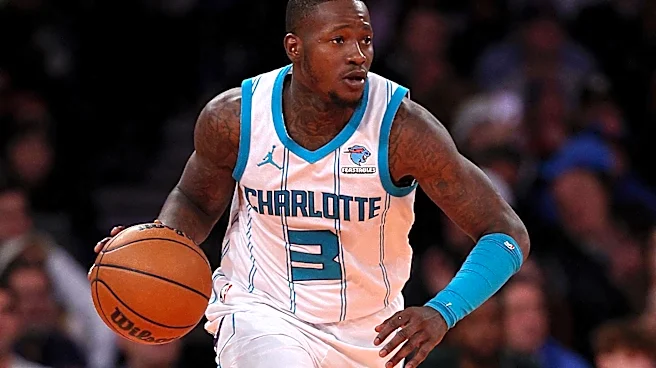
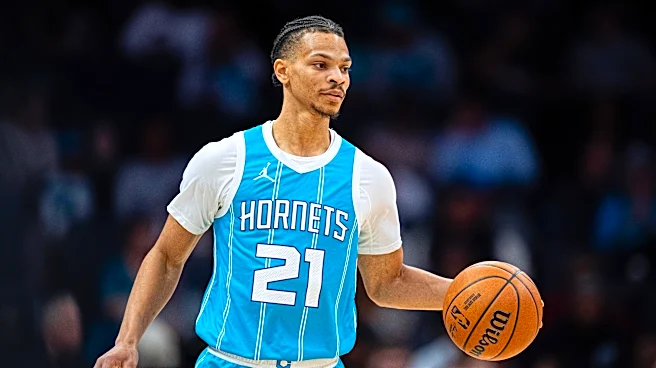
The Charlotte Hornets have announced a partnership with DAZN, a global sports entertainment platform, to become the team's exclusive direct-to-consumer streaming home. This collaboration will allow fans across North Carolina and South Carolina to stream all non-exclusively
nationally televised regular-season games live on DAZN. The subscription service launched on Thursday, offering various options including a Monthly Pass for $19.99, a Monthly Pass Ultimate for $24.99, a Season Pass for $119.99, and a Season Pass Ultimate for $139.99. These passes provide different levels of access, including multiple streams, multi-view, downloads, alternative angles, and discounts on team merchandise and game tickets. According to Hornets President Shelly Cayette-Weston, this move is aimed at making Hornets basketball more accessible to fans who are consuming sports differently than in previous years. The platform will also feature a library of on-demand Hornets content, such as highlights, behind-the-scenes features, original programming, and interviews. This partnership marks the end of the team's era with regional sports networks for streaming.
Why It's Important?
This partnership signifies a significant shift in how U.S. sports content, particularly NBA games, is distributed and consumed. By moving to a direct-to-consumer streaming model with DAZN, the Charlotte Hornets are responding to evolving viewer habits, where fans increasingly prefer flexible and convenient access to live sports outside traditional cable packages. This strategy could set a precedent for other NBA teams and professional sports organizations looking to expand their reach and engage directly with their fan base. For fans in the Carolinas, this means greater accessibility to Hornets games, potentially increasing viewership and fan engagement. However, it also introduces a new subscription cost for those who previously relied on regional sports networks. For DAZN, securing exclusive streaming rights for an NBA team in a specific region strengthens its position in the competitive U.S. sports streaming market and expands its basketball portfolio, which already includes international leagues. This move could also impact regional sports networks, as teams opt for direct streaming partnerships, potentially leading to a fragmentation of sports broadcasting rights.
What's Next?
The Charlotte Hornets' preseason is scheduled to begin on October 8, with their regular-season games tipping off on October 21 against the Nets. Fans in North Carolina and South Carolina can now sign up for DAZN to access these games and additional Hornets content. The success of this direct-to-consumer model will likely be closely watched by other NBA franchises and professional sports leagues, potentially influencing future broadcasting and streaming agreements across the U.S. It is anticipated that DAZN will continue to enhance its platform and content offerings to attract and retain subscribers, possibly by integrating more interactive features or exclusive content. The long-term impact on regional sports networks, which have historically held significant broadcasting rights, will also be a key area to observe as more teams explore similar direct streaming partnerships. The Hornets' commitment to meeting fans 'where they are' suggests a continued focus on digital accessibility and a high-quality viewing experience.
Beyond the Headlines
This shift by the Charlotte Hornets to a direct-to-consumer streaming model with DAZN highlights a broader trend in the media landscape: the unbundling of sports content from traditional cable television. This move reflects a strategic effort to cater to younger demographics and cord-cutters who primarily consume media through streaming services. The ethical implications revolve around accessibility and affordability; while streaming offers flexibility, it can also lead to subscription fatigue and increased costs for consumers who follow multiple teams or sports. Legally, these exclusive regional streaming deals could redefine territorial broadcasting rights and challenge existing agreements with traditional media outlets. Culturally, it signifies a move towards a more personalized and on-demand sports viewing experience, potentially fostering deeper engagement with specific teams through exclusive content and community features offered by platforms like DAZN. This evolution could also lead to innovative technological advancements in sports broadcasting, such as enhanced multi-view options and interactive fan experiences, as streaming platforms compete for viewership.