



What's Happening?
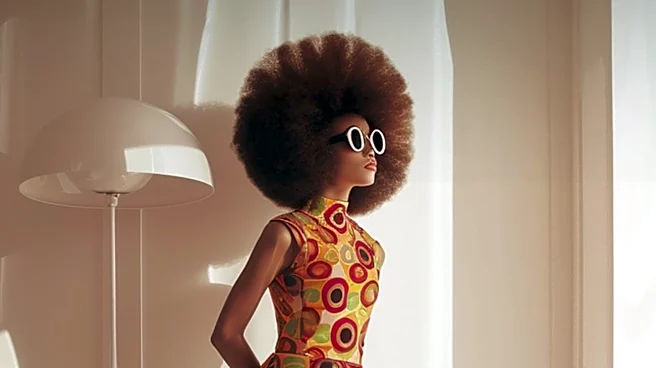
Retro styles are making a significant comeback in children's fashion, moving beyond a fleeting trend to become a consistent presence. This resurgence is characterized by modern clothing that incorporates silhouettes, prints, and details from the 1950s
through the 1990s, updated for contemporary wear. Key elements include Peter Pan collars, ruffles, puffed sleeves, embroidery, and smocking. Textures like corduroy, plaid, gingham, polka dots, and chunky knits are prominent, alongside classic silhouettes such as overalls, A-line pinafores, and relaxed denim. A crucial aspect of this revival is the use of softer, safer, and machine-washable fabrics, ensuring the vintage aesthetic is paired with modern convenience and durability. This trend is driven by parental nostalgia and a desire for well-made, long-lasting garments.
Why It's Important?
The return of retro fashion in children's wear highlights a shift in consumer priorities, emphasizing quality, durability, and emotional connection over fast-fashion trends. For U.S. industries, this means a potential increase in demand for manufacturers capable of producing clothing with sturdier, natural, and machine-washable fabrics, moving away from less durable materials. Retailers may need to adjust their inventory to stock more retro-inspired pieces, potentially impacting supply chains and design processes. The emphasis on gender-neutral styles, often inherent in retro designs like overalls and plain tees, could also influence marketing strategies and product development, promoting more inclusive clothing options for children. This trend suggests a broader consumer preference for timelessness and practicality, which could extend to other sectors of the fashion industry.
What's Next?
The sustained popularity of retro children's fashion suggests that brands will continue to innovate by blending vintage aesthetics with modern fabric technology and ethical production practices. Consumers can expect to see more collections featuring updated classic designs that prioritize comfort and longevity. This trend may also encourage a greater focus on sustainable fashion, as parents seek clothing that can withstand repeated wear and washes, reducing the need for frequent replacements. Designers might explore deeper into specific decades for inspiration, bringing back more niche retro elements. The market could also see an increase in collaborations between contemporary children's brands and designers specializing in vintage-inspired apparel, further solidifying this trend in the long term.
Beyond the Headlines
Beyond the immediate fashion implications, the resurgence of retro styles in children's clothing reflects a deeper cultural yearning for simplicity and authenticity. In an increasingly digital and fast-paced world, parents may be drawn to the perceived innocence and timelessness of past eras, using clothing as a way to connect with their own childhood memories and instill a sense of tradition. This trend also subtly challenges the rapid consumption cycle of fast fashion, promoting a more thoughtful approach to purchasing clothes for children. The focus on durable, well-made items could foster a greater appreciation for craftsmanship and quality, potentially influencing consumer behavior across various product categories and encouraging a more sustainable lifestyle.