





What's Happening?
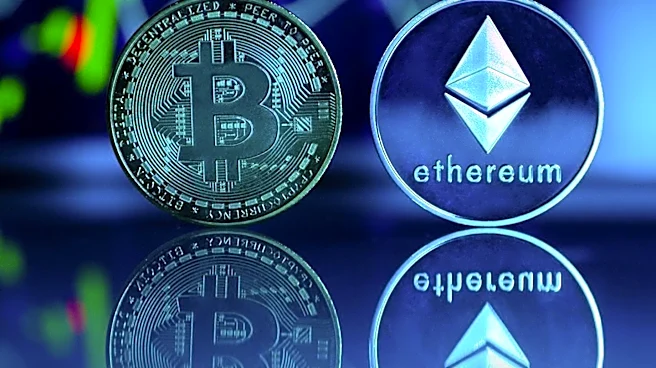
Solana (CRYPTO:SOL) is currently trading around $67 and faces a potential decline to $60 if Bitcoin (CRYPTO:BTC) falls below $58,000. Bitcoin is presently at approximately $58,182, just below its lowest closing price of $58,566 in the past year. Solana has
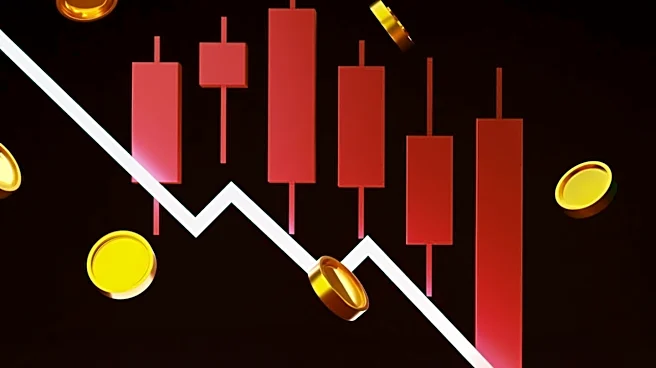
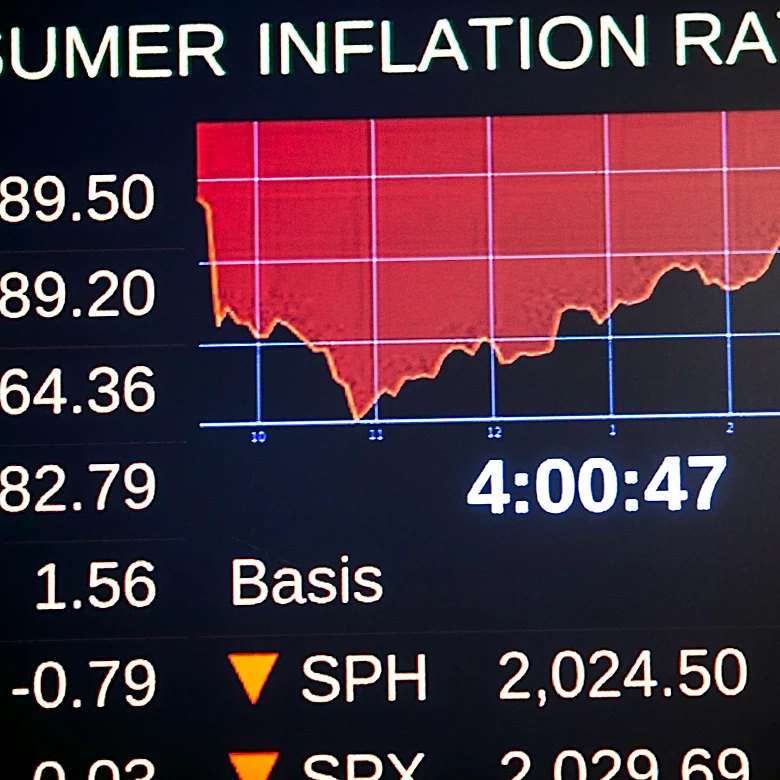
already dropped below its November 20 close of $69 and is down 77.2% from its all-time high. Recent market conditions, including a disappointing inflation report and new tariffs, have contributed to a broader risk-off sentiment, impacting the crypto market. Bitcoin has experienced significant net outflows from its spot ETFs, totaling $582 million on November 19, $669 million on November 20, and $570 million on November 23. These outflows force ETFs to sell Bitcoin to meet redemptions. Additionally, approximately $2.7 billion in leveraged crypto positions were liquidated within 24 hours, further exacerbating price declines. Solana's moving averages are all trending downward, and it trades below its 20-day, 200-day, and 50-day averages.
Why It's Important?
The potential drop in Solana's value, closely tied to Bitcoin's performance, highlights the interconnectedness and volatility within the cryptocurrency market. Bitcoin's struggle, influenced by macroeconomic factors like inflation and interest rate expectations, directly impacts altcoins like Solana. High inflation makes non-interest-bearing assets like crypto less attractive, diverting investment. The substantial outflows from spot Bitcoin ETFs indicate a reduction in institutional and long-term holder confidence, which can trigger further selling pressure across the market. Solana's lower fund ownership compared to Bitcoin means any selling activity can have a more pronounced effect on its price. The liquidation of leveraged positions underscores the inherent risks for traders using borrowed funds, leading to forced selling that can accelerate market downturns. This situation could lead to significant losses for investors holding Solana and other cryptocurrencies, impacting overall market sentiment and potentially slowing the adoption of digital assets.
What's Next?
If Bitcoin continues its downward trend and closes below $58,566, particularly with further spot Bitcoin ETF outflows, Solana's $62 support level (its lowest closing price in the past year) could be breached. A drop in Bitcoin to around $53,000 could push Solana down to approximately $60, representing a 10.7% decrease. If Bitcoin were to fall to $50,000, Solana could decline to about $56. Conversely, if Solana closes above its November 20 price of $69 and spot crypto funds see renewed inflows, the immediate threat of a drop to $60 might recede. A joint venture, SBI Solana Global, involving SBI Holdings, Sumitomo Mitsui Financial Group, and the Solana Foundation, has begun full operations, aiming to implement stablecoin payment systems and asset tokenization. While this initiative offers a potential long-term positive, it has not yet translated into significant buying activity for Solana.
Beyond the Headlines
The current market dynamics reveal a critical juncture for the broader cryptocurrency ecosystem. The sensitivity of Solana to Bitcoin's price movements, coupled with the impact of traditional economic indicators like inflation, underscores the increasing integration of crypto into the global financial landscape. The significant outflows from Bitcoin ETFs suggest a shift in investor behavior, potentially indicating a move away from riskier assets in an uncertain economic climate. This trend could challenge the narrative of cryptocurrencies as a hedge against inflation, especially if central banks maintain higher interest rates. The ongoing development of ventures like SBI Solana Global, which aims to leverage blockchain for stablecoin payments and asset tokenization, highlights the long-term potential for real-world applications of blockchain technology. However, the immediate market reaction to such initiatives indicates that fundamental utility and adoption may take time to influence price stability, especially amidst broader market volatility and investor caution.