




What's Happening?
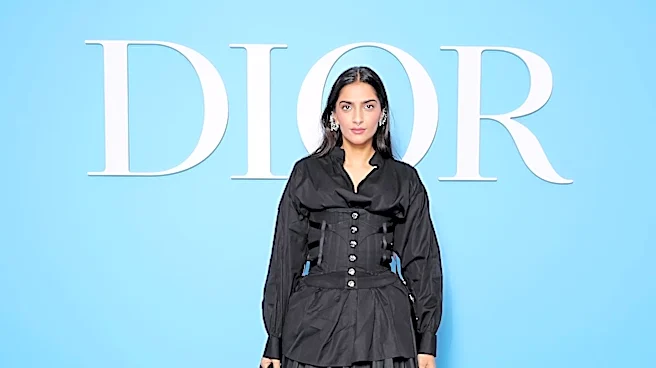
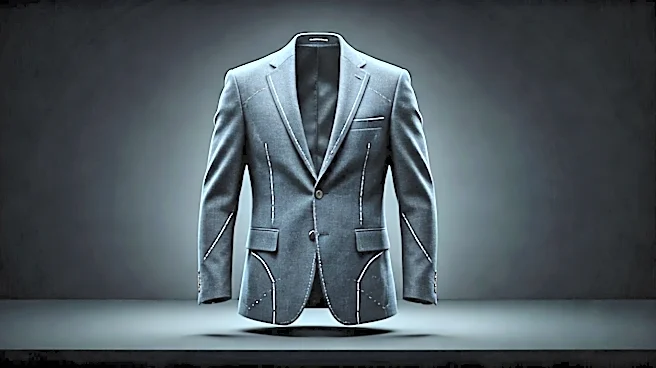
Jonathan Anderson, the creative director for Dior, presented his third menswear collection at Paris Fashion Week, showcasing a series of deconstructed suits and sequin details. The show, originally scheduled for the afternoon, was moved to the morning
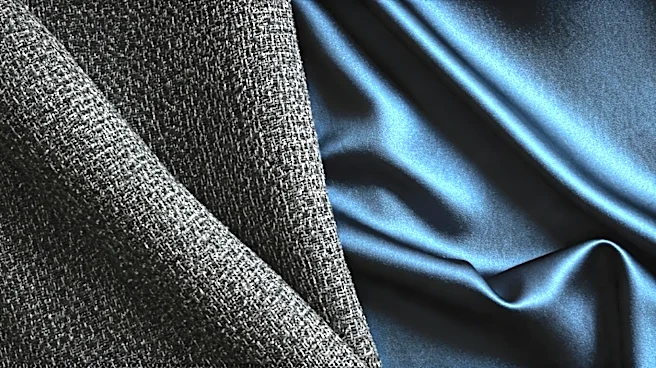
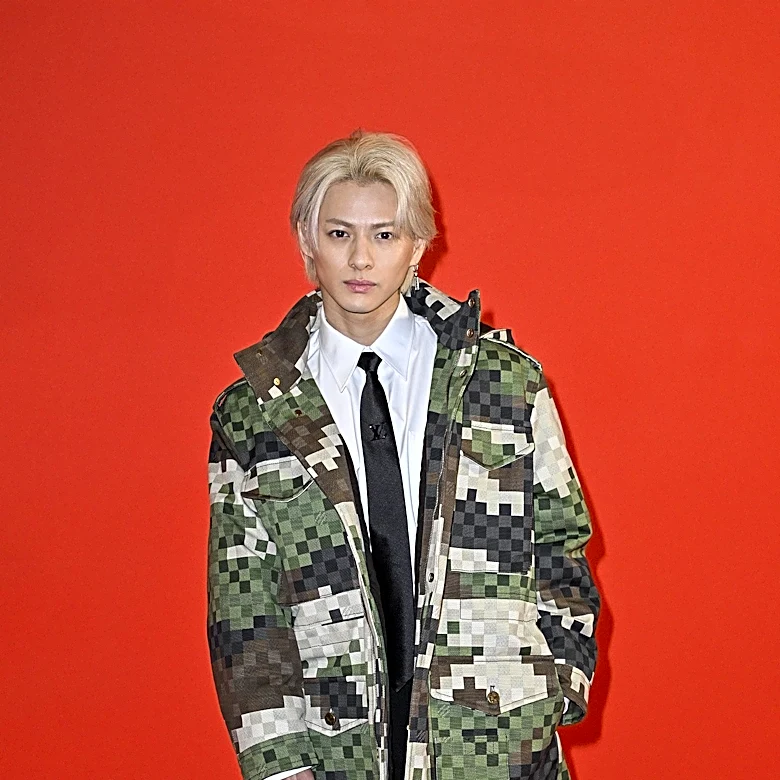
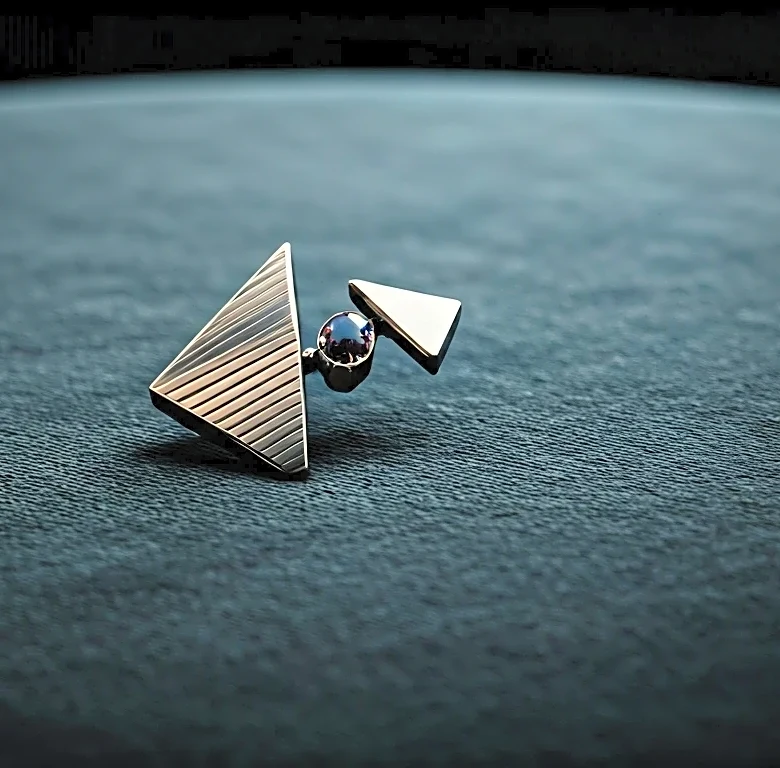
to avoid the intense heat in Paris. Held at the Nissim de Camondo Museum, the collection featured checked, plain, and almost transparent suits, often oversized and paired with loosened ties or open shirts. Anderson's designs aimed to explore the refinement of male character and its connection to femininity. The collection included sequined trousers, Bermuda shorts, and accessories like satin bow ties and pearl flower brooches. The event was attended by celebrities such as French actor Louis Garrel and South Korean singer Jimin of BTS.
Why It's Important?
This collection marks a significant moment in menswear fashion, as it challenges traditional notions of masculinity by incorporating feminine elements. Anderson's approach reflects a broader trend in fashion towards gender fluidity and inclusivity. The show's timing adjustment due to the heatwave also highlights the growing impact of climate conditions on global events, emphasizing the need for adaptability in the fashion industry. The presence of high-profile attendees underscores the collection's cultural relevance and potential influence on future fashion trends.
What's Next?
Following the Dior show, other designers like Meryll Rogge and Jeanne Friot are set to present their collections, continuing the theme of innovative and inclusive fashion. As the fashion industry increasingly embraces gender fluidity, designers may continue to explore and redefine traditional gender norms in their collections. The industry's response to climate challenges, as seen in the rescheduling of the Dior show, may also prompt further discussions on sustainable practices and event planning.
Beyond the Headlines
The collection's emphasis on blending masculine and feminine elements could influence broader cultural conversations about gender identity and expression. As fashion often reflects societal shifts, Anderson's designs may contribute to a more inclusive understanding of gender roles. Additionally, the show's adaptation to the heatwave highlights the fashion industry's need to address environmental challenges, potentially leading to more sustainable practices and innovations in event management.