



What's Happening?
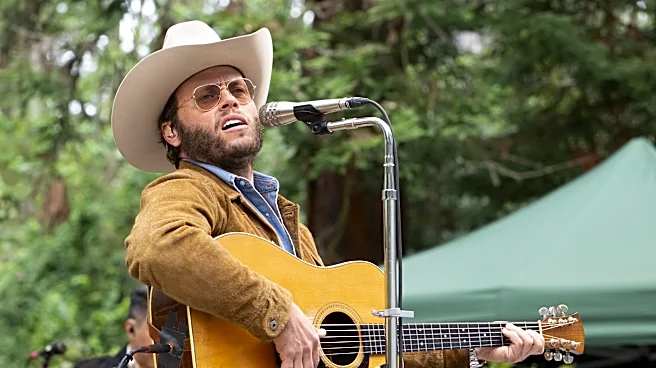
Country music star Cody Jinks has publicly voiced his strong disapproval of the current state of the country music industry and its artists. In a video shared on Instagram, Jinks lamented the absence of what he terms 'ass kickers' or 'problem children'
in modern country music, drawing comparisons to legendary figures like George Jones and Johnny Paycheck. He argues that record companies are no longer signing artists who are difficult to control, leading to a homogenized sound where many performers sing about experiences they haven't lived. Jinks expressed frustration that this trend is 'shitting on my craft,' indicating a perceived decline in authenticity and grit within the genre. His comments have resonated with fans, who echoed his sentiments about corporate radio and a preference for music reminiscent of 70s and 80s country over contemporary 'pop music country bullshit.' Jinks, who began his career in a thrash metal band, has gained significant popularity in country music over the last decade.
Why It's Important?
Cody Jinks' critique highlights a significant debate within the country music genre regarding authenticity versus commercial appeal. His comments reflect a sentiment among some artists and fans that the industry prioritizes marketable, easily controlled acts over those with a more rebellious or 'outlaw' spirit. This perspective suggests a potential disconnect between the music being produced and the expectations of a segment of the fanbase that values raw, genuine storytelling. If this sentiment gains wider traction, it could influence how record labels scout and develop talent, potentially leading to a shift in the types of artists who achieve mainstream success. The discussion also underscores the power of independent artists like Jinks, who can bypass traditional industry gatekeepers to connect directly with an audience that feels underserved by mainstream offerings. This could further fragment the country music market, with a growing divide between corporate-backed pop-country and more traditional or 'outlaw' styles.
What's Next?
The outspoken criticism from artists like Cody Jinks could prompt further discussion and potentially a reevaluation within the country music industry regarding artist development and creative control. While major labels may continue to pursue commercially viable acts, the strong fan response to Jinks' comments indicates a demand for more diverse and authentic voices. This could lead to increased visibility for independent artists who embody the 'outlaw' spirit Jinks champions, potentially through alternative distribution channels or grassroots movements. It may also encourage established artists to speak out more frequently on similar issues, fostering a broader conversation about the genre's direction. For fans, the debate might lead to a more conscious effort to seek out music from artists who align with Jinks' traditional country values, potentially impacting streaming numbers and concert attendance for different sub-genres within country music.
Beyond the Headlines
Jinks' remarks touch upon a broader cultural tension between artistic integrity and commercial pressures, a dynamic not unique to country music. The 'outlaw' country movement of the past was a direct response to perceived Nashville commercialism, and Jinks' current critique suggests a cyclical return to these concerns. This ongoing struggle raises questions about the long-term health of a genre when its perceived authenticity is challenged by its own successful artists. It also highlights the evolving role of social media, where artists can directly communicate their frustrations and rally support from fans, bypassing traditional media outlets. This direct engagement can empower artists to challenge industry norms and potentially reshape audience expectations, fostering a more diverse and artist-driven landscape in the long run. The debate also reflects a generational shift in what constitutes 'country' music, with older fans often preferring traditional sounds and themes, while newer audiences may be more open to genre-blending approaches.