




What's Happening?
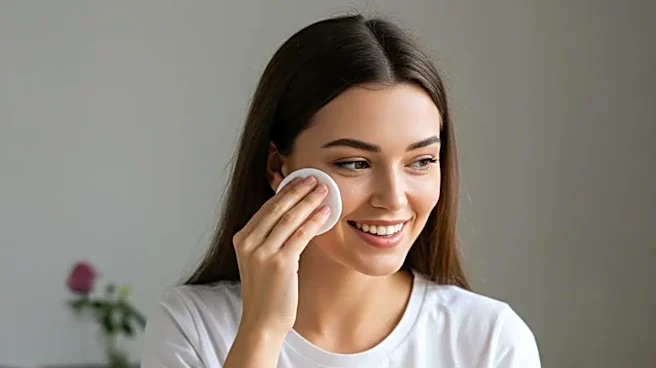
The 'skinimalism' trend is gaining significant traction within the skincare industry, promoting a simplified routine that utilizes fewer, multi-purpose products. This approach aligns with long-standing advice from dermatologists who recommend shorter
skincare regimens to minimize irritation. The trend is characterized by a move away from extensive, multi-step routines and towards essential products like a gentle cleanser, a suitable moisturizer, and a broad-spectrum SPF 30+ sunscreen. Optional treatments, such as retinol or niacinamide, are suggested only for specific concerns. This shift is also influenced by a broader consumer desire for natural, organic, and eco-friendly beauty products, reflecting an increased focus on sustainability and transparency in the beauty sector. The American Academy of Dermatology has noted that using too many products can lead to skin irritation, particularly with multiple anti-aging products.
Why It's Important?
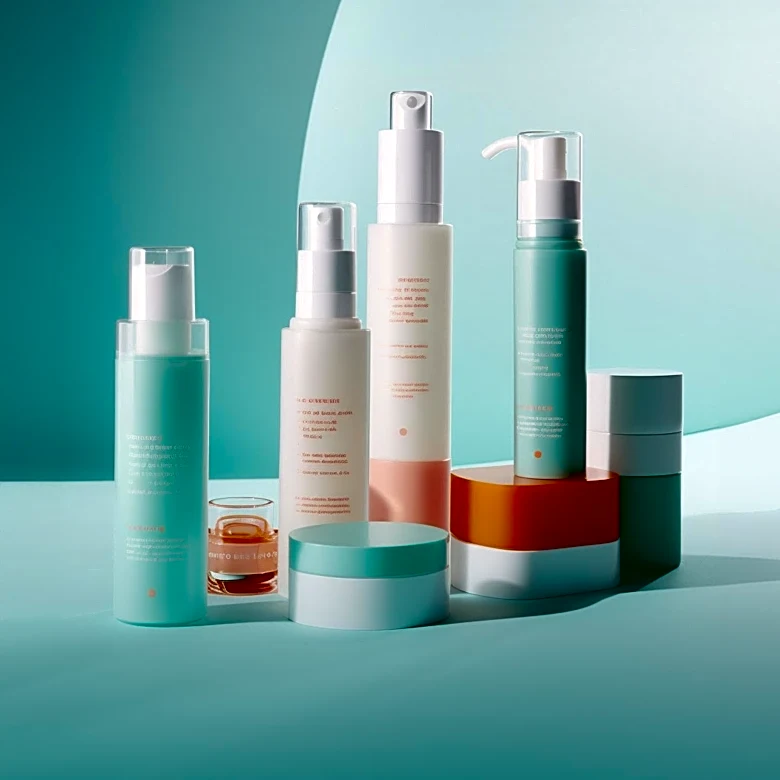
The rise of skinimalism is important for the U.S. beauty industry as it signals a significant shift in consumer preferences and product development. Brands that traditionally focused on extensive product lines and multi-step routines may need to adapt their strategies to meet the demand for simpler, more effective, and sustainable options. This trend could lead to a consolidation of product offerings, with a greater emphasis on multi-functional formulations. Consumers stand to gain from potentially reduced costs, less skin irritation, and a more environmentally conscious approach to beauty. Conversely, companies heavily invested in complex, multi-product systems might face challenges if they do not innovate to align with this minimalist philosophy. The emphasis on natural and organic ingredients also pushes manufacturers towards more transparent sourcing and production practices, impacting supply chains and marketing efforts.
What's Next?
Looking ahead, the skinimalism trend is expected to continue influencing product innovation and marketing within the U.S. beauty market. Beauty brands are likely to invest more in research and development for multi-purpose products that offer concentrated benefits. We may see an increase in products combining several functions, such as moisturizers with SPF or cleansing balms that also remove makeup. Retailers might adjust their merchandising to highlight minimalist routines and eco-friendly options. Educational campaigns from dermatologists and beauty influencers will likely continue to advocate for simpler routines, further solidifying the trend. This could also lead to a greater focus on ingredient efficacy and transparency, as consumers seek to understand the benefits of each product in their streamlined routines.
Beyond the Headlines
Beyond the immediate market implications, skinimalism reflects a deeper cultural shift towards conscious consumption and a rejection of excessive materialism. It challenges the long-standing marketing narratives that encouraged consumers to purchase numerous specialized products. This trend could foster a more critical approach to beauty advertising, with consumers prioritizing genuine efficacy and ethical production over aspirational branding. Environmentally, a reduction in the number of products purchased could lead to less packaging waste and a smaller carbon footprint from manufacturing and transportation. Legally, there might be increased scrutiny on product claims, especially for 'multi-purpose' items, to ensure they deliver on all promised benefits. This movement could ultimately redefine beauty standards, emphasizing natural skin health over a heavily made-up appearance.