


What's Happening?
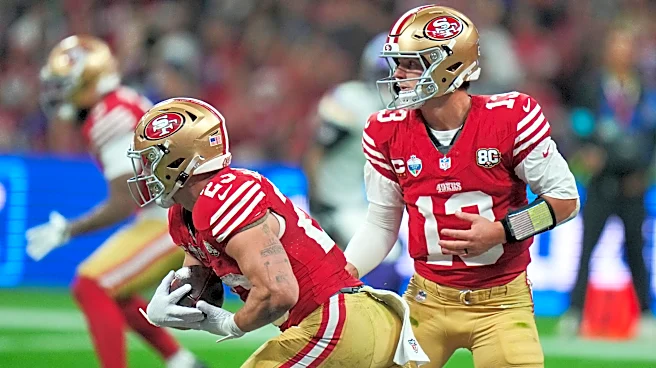
The National Football League (NFL) has expanded its traditional Thanksgiving football schedule by adding games on Wednesday and Friday, transforming the holiday viewing experience. This year marks the first-ever Wednesday night game, which Netflix has branded
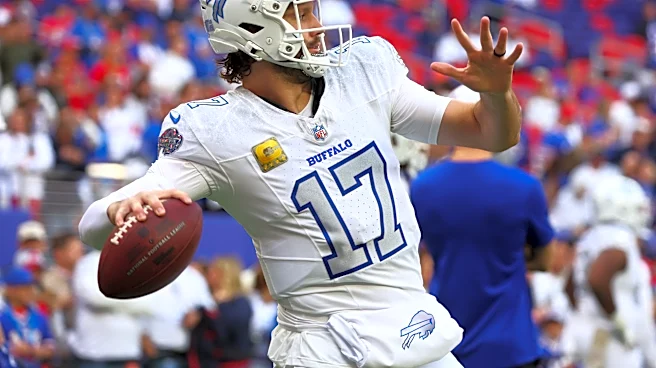
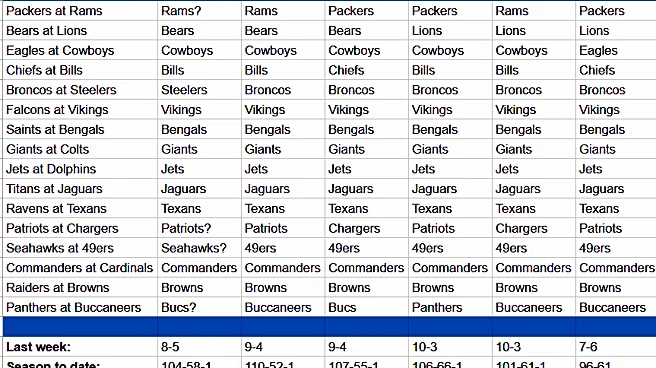
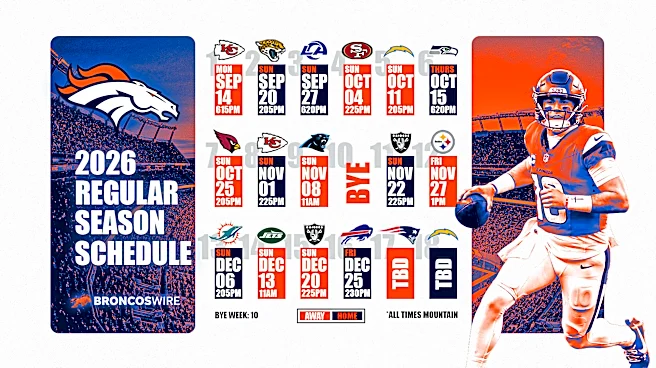
as 'Thanksgiving Eve,' featuring the Packers against the Rams. Additionally, a Black Friday game, broadcast on Amazon Prime Video, will showcase the Broncos versus the Steelers. This expansion moves beyond the long-standing tradition of three games on Thanksgiving Day itself, which typically includes matchups like the Bears at Lions, Eagles at Cowboys, and Chiefs at Bills. The new schedule aims to provide more football content throughout the holiday week, offering additional opportunities for viewership and engagement. The Black Friday game, in particular, integrates on-screen QR codes for direct consumer purchases, a move that has drawn attention for its overt commercialism.
Why It's Important?
This expansion of the NFL's Thanksgiving schedule signifies a strategic move to capture a larger audience share during a major holiday period and to explore new broadcasting models. The addition of games on Netflix and Amazon Prime Video highlights the growing importance of streaming platforms in live sports broadcasting, potentially shifting viewership habits away from traditional television networks. For consumers, it means more football content, but also an increased integration of direct-to-consumer advertising, as seen with the QR codes during the Black Friday game. This could set a precedent for future sports broadcasts, blurring the lines between entertainment and direct commerce. The NFL's decision reflects an effort to maximize revenue streams and fan engagement by extending the holiday football tradition across multiple days and platforms, impacting how sports content is consumed and monetized in the U.S.
What's Next?
The success and reception of these new Thanksgiving week games, particularly the Wednesday and Friday matchups, will likely influence future scheduling decisions by the NFL. If viewership numbers are strong and advertising revenue meets expectations, it is probable that these expanded holiday schedules will become a regular feature. Broadcasters and streaming platforms will be closely monitoring engagement metrics and consumer feedback regarding the integrated advertising. Future developments could include further expansion of holiday-themed games on other non-traditional days or increased experimentation with interactive shopping features during live sports. The NFL may also explore similar scheduling innovations around other major U.S. holidays, continuing to push the boundaries of sports broadcasting and commercial integration.
Beyond the Headlines
The NFL's expanded Thanksgiving schedule, especially the Black Friday game with its integrated QR codes, raises deeper questions about the commercialization of sports and the evolving relationship between entertainment and consumerism. While sports have long been a vehicle for advertising, the direct-to-purchase model represents a more aggressive approach to monetizing viewership. This could lead to a broader trend where live events become interactive shopping experiences, potentially altering the nature of passive entertainment. Ethically, it prompts discussions about consumer privacy and the psychological impact of constant commercial nudges during leisure activities. Culturally, it reflects a societal shift towards instant gratification and seamless integration of commerce into daily life, potentially reshaping how audiences perceive and interact with their favorite sports.