







What's Happening?
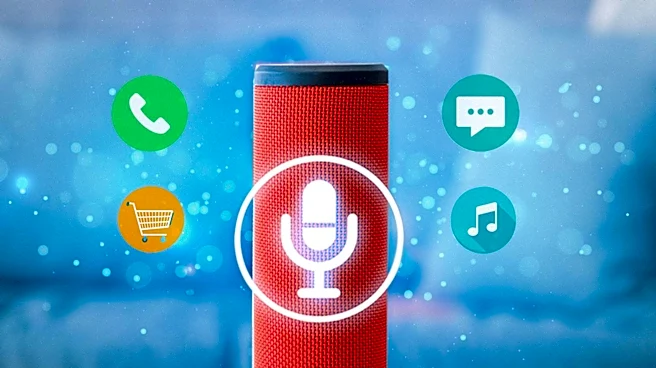
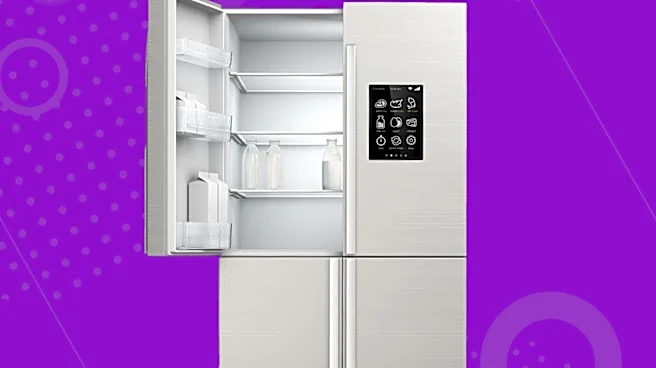
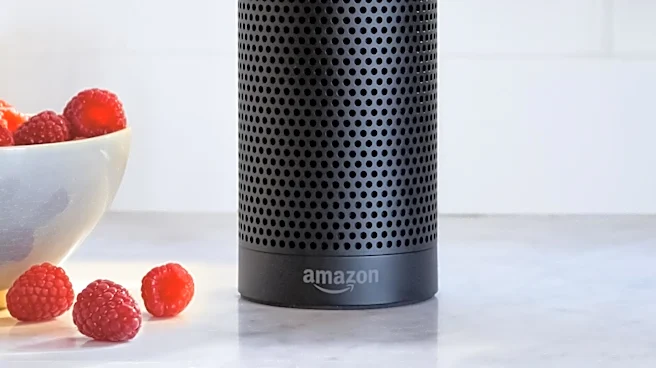
Smart refrigerators are increasingly incorporating voice control features, allowing users to manage various functions hands-free through integrated voice assistants like Alexa, Google Assistant, or Samsung's Bixby. These devices connect to a home Wi-Fi
network and pair with existing voice assistant accounts, enabling users to issue commands such as adjusting temperature, checking freezer status, adding items to a shopping list, or setting timers. This functionality is particularly beneficial during cooking when hands may be busy or messy. Brands like LG, Samsung, GE, and Frigidaire offer voice-controlled models, with each brand often favoring specific voice assistants or proprietary systems. For instance, Samsung models frequently use Bixby but also support Alexa and Google Assistant, while LG typically integrates ThinQ with third-party assistants, and GE often favors direct Alexa integration. The hardware enabling this includes small microphone arrays and built-in speakers, with most processing handled by the connected assistant service rather than within the refrigerator itself.
Why It's Important?
The integration of voice control in smart refrigerators signifies a broader trend towards enhanced convenience and automation within U.S. households. This development impacts consumers by offering a more seamless and efficient way to manage kitchen tasks, potentially reducing the time and effort spent on daily chores. For the smart home industry, it represents an expansion of voice assistant ecosystems into major appliances, driving demand for compatible devices and further solidifying the role of companies like Amazon, Google, and Samsung in the connected home market. This also creates opportunities for appliance manufacturers to differentiate their products through advanced technological features. The emphasis on hands-free operation caters to a growing consumer preference for intuitive interfaces, especially in environments where touch interaction might be impractical. Furthermore, the reliance on existing Wi-Fi networks and voice assistant accounts streamlines user adoption, as it leverages established smart home infrastructure.
What's Next?
The future of voice-controlled smart refrigerators will likely see continued advancements in accuracy, responsiveness, and the range of commands supported. Manufacturers are expected to further refine the integration of AI and machine learning to understand more complex queries and provide personalized assistance. There may be an increased focus on interoperability, allowing these appliances to seamlessly communicate with a wider array of smart home devices and services, regardless of brand. Consumers can anticipate more sophisticated features, such as proactive suggestions based on usage patterns or integration with online grocery ordering services. As the technology matures, there could also be a push towards more robust privacy measures and enhanced security protocols to address concerns related to voice data collection. The market will likely see new entrants and increased competition, leading to more diverse product offerings and potentially more affordable options for consumers.
Beyond the Headlines
Beyond the immediate convenience, the widespread adoption of voice-controlled smart refrigerators could subtly reshape daily routines and consumer expectations regarding household appliances. This technology contributes to the 'ambient intelligence' vision, where devices anticipate needs and respond intuitively, making technology less intrusive and more integrated into the fabric of daily life. There are ethical considerations regarding data privacy, as voice commands could reveal personal habits, dietary preferences, and household schedules, raising questions about how this data is collected, stored, and utilized by manufacturers and third-party voice assistant providers. The long-term impact could also include a shift in appliance design, with less emphasis on physical controls and more on voice interfaces. This trend might also exacerbate the digital divide, as access to such advanced appliances could become another marker of socioeconomic status, potentially leaving some households behind in the march towards a fully connected home.