


What's Happening?
Dry shampoo has become a popular hair care product for those looking to maintain a fresh appearance without frequent washing. It is particularly useful for individuals with busy schedules, those who travel frequently, or people with disabilities who may
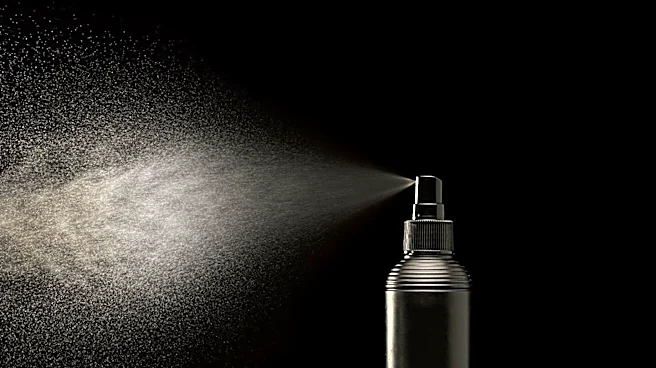
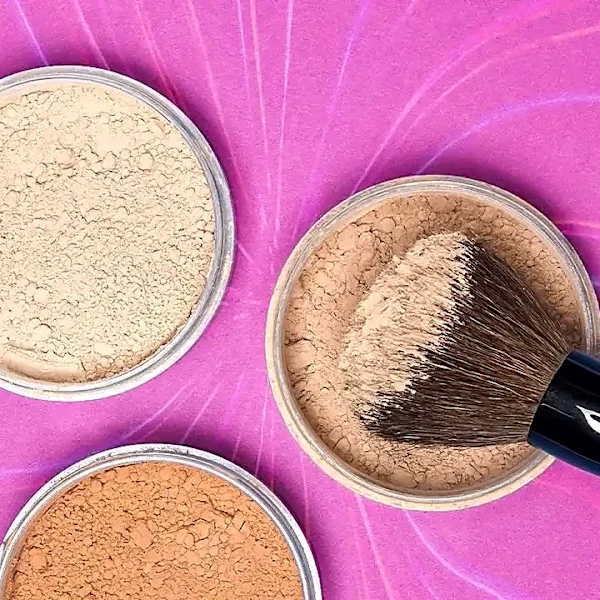
have limited access to showers. Dry shampoo works by using absorbent materials like clay or silica to soak up excess oils from the scalp, providing a temporary solution to greasy hair. It is available in various forms, including aerosol sprays, powders, and foams. While it offers convenience, it is not a substitute for regular washing, as it does not cleanse the scalp but rather masks oiliness.
Why It's Important?
The popularity of dry shampoo highlights a shift towards more convenient and time-saving personal care solutions. This trend is significant as it caters to the needs of modern lifestyles, where time constraints often limit the ability to engage in traditional grooming routines. For individuals with color-treated hair, dry shampoo can help extend the life of hair color by reducing the frequency of washes. However, it is important to note that overuse can lead to scalp buildup and irritation, emphasizing the need for balanced use and regular cleansing.
What's Next?
As the demand for dry shampoo continues to grow, there may be further innovations in its formulation to enhance its effectiveness and reduce potential side effects like scalp irritation. Additionally, there could be an increase in the variety of products available, catering to different hair types and preferences. The beauty industry may also see a rise in educational campaigns to inform consumers about the proper use of dry shampoo and its role in a comprehensive hair care routine.
Beyond the Headlines
The rise of dry shampoo also reflects broader trends in the beauty industry towards sustainability and eco-friendly products. As consumers become more environmentally conscious, there may be a push for dry shampoos that use natural and biodegradable ingredients. This could lead to a reevaluation of packaging and production processes to minimize environmental impact, aligning with the growing demand for sustainable beauty solutions.