

What's Happening?
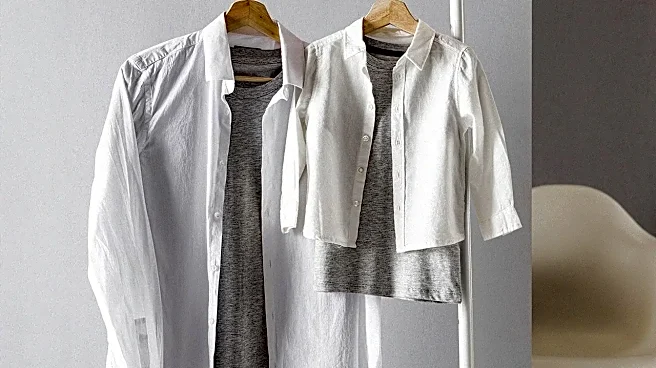
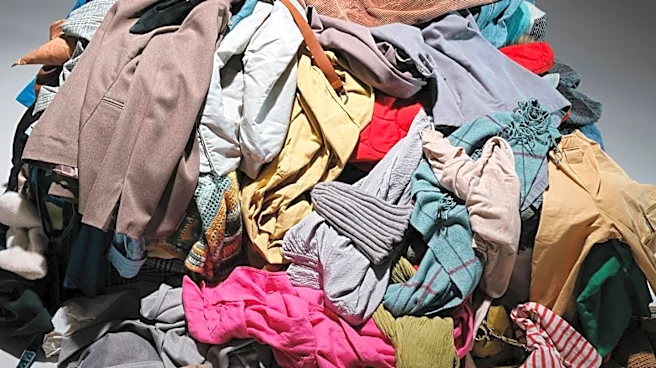
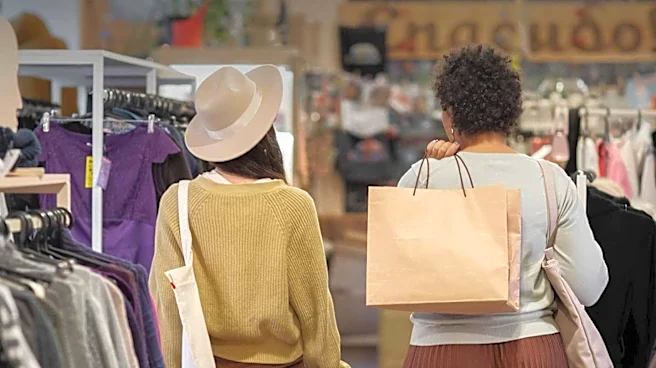
Gen Z is driving a significant resurgence in thrifting, transforming the act of buying used, vintage clothes and items into a popular trend. This generation views thrifting not merely as a hobby but as a means to define their personal style and values,
emphasizing sustainability. Unlike previous generations who might have seen secondhand clothing as a compromise, Gen Z perceives a great vintage find as carrying more social currency than a new item. This shift has elevated secondhand shopping from a stigma to a status symbol within approximately a decade. The trend allows for the discovery of unique pieces that complement existing wardrobes and encourages a broader perspective beyond current fashion trends. While thrifting offers cost-effective and environmentally conscious alternatives to fast fashion, there's a consideration for potential overconsumption if not managed carefully, alongside the need to address repairs and hygiene for second-hand purchases.
Why It's Important?
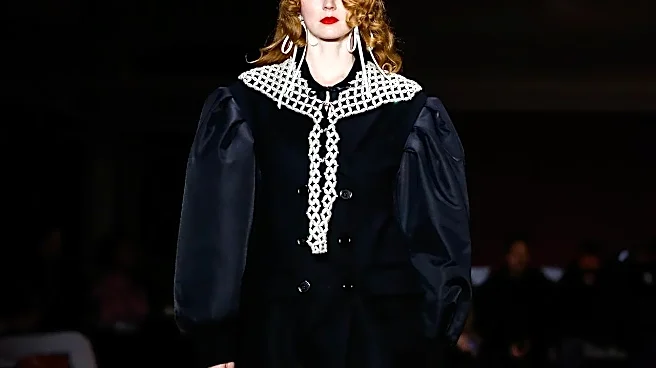
The growing embrace of thrifting by Gen Z has significant implications for the retail industry, sustainability efforts, and consumer culture in the U.S. This demographic's preference for secondhand items challenges the traditional fast fashion model, potentially leading to a decrease in demand for newly manufactured clothing and a rise in the circular economy. Businesses, including major platforms like eBay, are recognizing and capitalizing on this shift by integrating secondhand clothing into high-profile events like Fashion Week, further legitimizing and mainstreaming the practice. This trend promotes environmental benefits by extending the life cycle of garments and reducing textile waste, aligning with broader sustainability goals. Economically, it creates new market opportunities for thrift stores, online resale platforms, and upcycling businesses, while also offering consumers more affordable fashion options. The cultural impact is also notable, as it redefines what is considered fashionable and desirable, moving away from mass-produced uniformity towards individuality and conscious consumption.
What's Next?
The thrifting trend is expected to continue its upward trajectory, with more businesses likely to adapt their strategies to cater to this growing market. We may see increased investment in infrastructure for sorting, cleaning, and repairing secondhand goods to meet consumer demand for quality and hygiene. Fashion brands might explore collaborations with resale platforms or launch their own take-back and resale programs to align with sustainable consumer values. Educational initiatives promoting responsible thrifting practices, such as setting purchase limits and assessing item condition, could also become more prevalent to mitigate potential overconsumption. Furthermore, the integration of secondhand fashion into mainstream events like Fashion Week suggests a continued blurring of lines between new and pre-owned clothing, potentially leading to a more fluid and sustainable fashion ecosystem. The focus will likely remain on how to scale the circular economy while maintaining the unique appeal and environmental benefits of thrifting.
Beyond the Headlines
Beyond the immediate economic and environmental impacts, the thrifting movement reflects deeper societal shifts, particularly among younger generations. It signifies a rejection of consumerism's more wasteful aspects and an embrace of authenticity and individuality. The 'hunt' for unique vintage items fosters creativity and personal expression, moving away from the homogenous styles often dictated by fast fashion. This trend also highlights a growing awareness of the ethical implications of clothing production, including labor practices and environmental footprint. The social currency associated with vintage finds suggests a re-evaluation of value, where history and uniqueness are prized over brand newness. This cultural shift could lead to a broader re-evaluation of consumption patterns across various industries, encouraging a more mindful approach to purchasing and ownership, and fostering a greater appreciation for craftsmanship and durability over disposability.