







What's Happening?
A recent survey conducted by the Purdue Center for Commercial Agriculture reveals a decline in farmer confidence across the United States. The Ag Economy Barometer, which measures the sentiment of U.S. producers, dropped from 119 points in May to 113
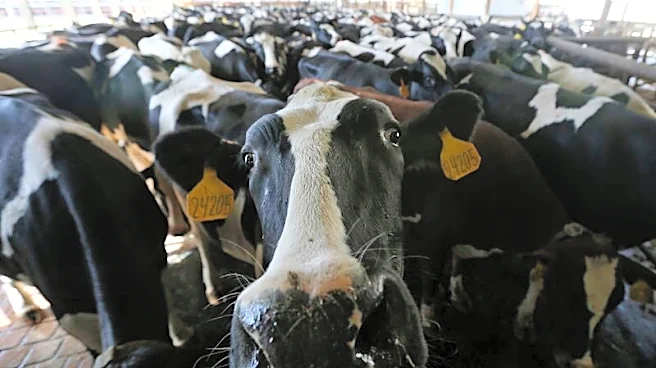
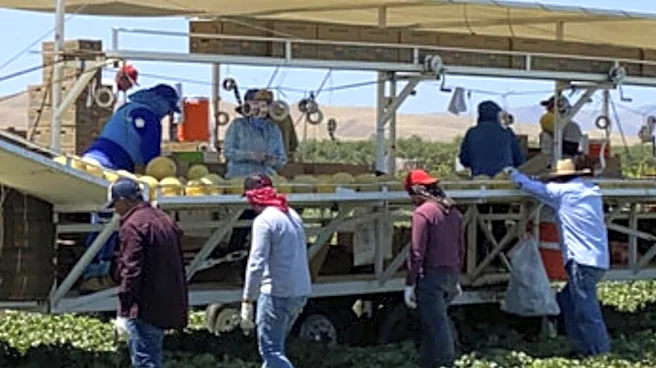
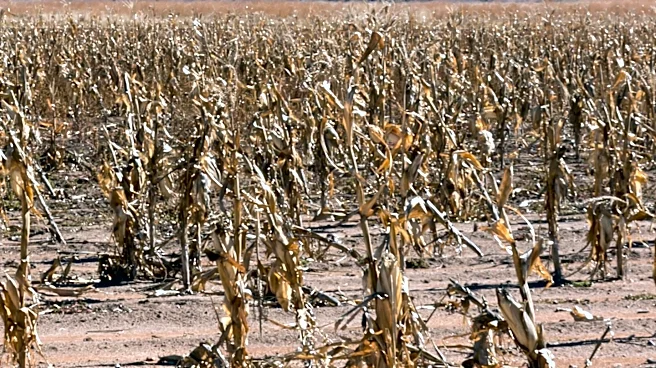
points in June. This decline is attributed to increasing financial pressures faced by farmers, primarily due to high input costs. Nearly half of the survey respondents identified these costs as their primary challenge, impacting their financial positions negatively. Additionally, low crop and livestock prices, weather risks, policy uncertainty, labor shortages, equipment issues, and debt pressure are also contributing to the decreased confidence. The survey, which included responses from 400 farmers, indicates a significant drop in confidence compared to the end of 2025. While livestock producers remain optimistic about the future, crop growers are less hopeful. Despite these challenges, farmers continue to express confidence in the value of farmland.
Why It's Important?
The decline in farmer confidence is significant as it reflects broader economic challenges within the agricultural sector. High input costs and low commodity prices can lead to reduced profitability for farmers, potentially affecting food supply and prices. The survey highlights the ongoing struggles of farmers to maintain financial stability amidst rising costs and economic uncertainties. This situation could lead to increased financial strain on rural communities and impact the overall agricultural economy. The optimism among livestock producers suggests potential growth in that sector, but the pessimism among crop growers indicates potential challenges in crop production. The continued confidence in farmland values suggests that land remains a stable investment, which could influence future agricultural investments and land use decisions.
What's Next?
Farmers and agricultural stakeholders may need to explore strategies to mitigate the impact of rising costs and economic pressures. This could involve seeking policy support, adopting cost-saving technologies, or diversifying income sources. The government and agricultural organizations might consider providing additional support or incentives to help farmers navigate these challenges. Monitoring future surveys and economic indicators will be crucial to understanding the evolving sentiment and financial health of the agricultural sector.