
What's Happening?
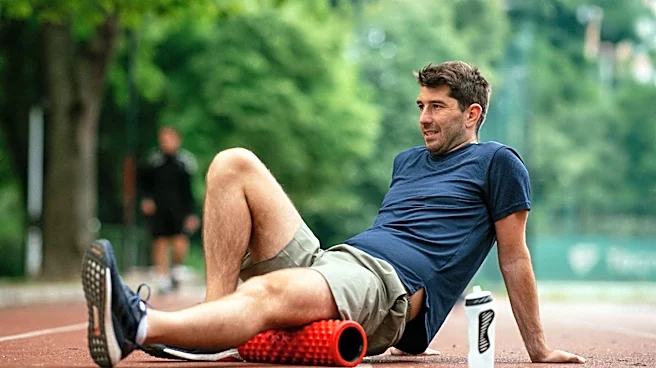
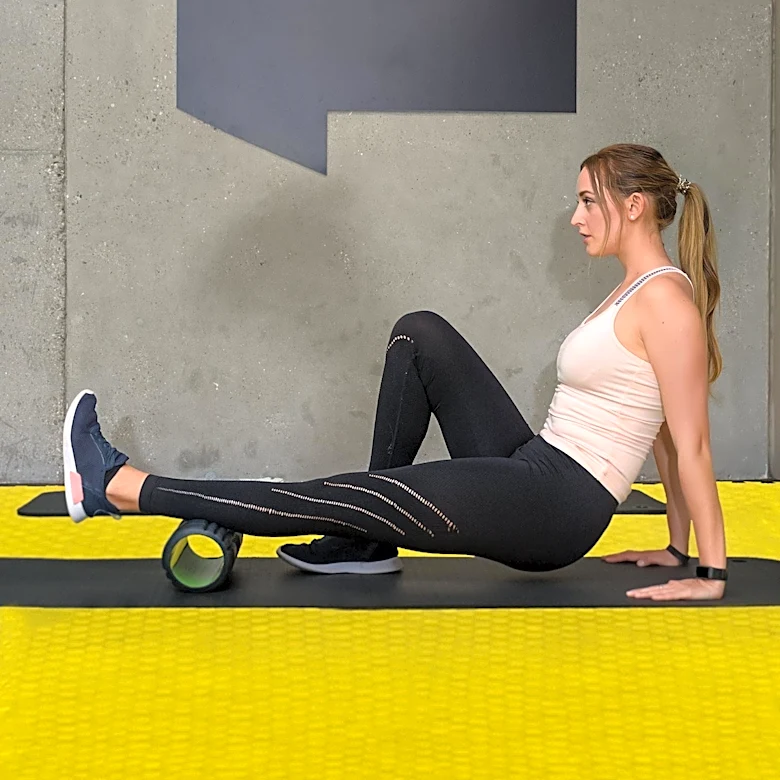
Foam rollers are increasingly being used by trail runners to aid in recovery and improve performance. The technique, known as self-myofascial release, involves applying steady pressure to muscles and connective tissues, which can help improve joint range
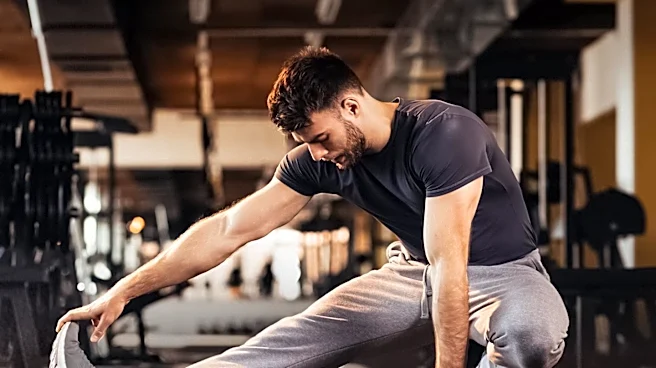
of motion and reduce muscle soreness after exercise. Trail running, which involves long climbs, uneven ground, and steep descents, places significant demands on the body, particularly on the calves, quads, and hips. Foam rolling can help alleviate post-run muscle tightness, improve flexibility, and enhance recovery by increasing blood flow to tired muscles. It is recommended to use foam rollers as part of a structured training plan, complementing other recovery activities such as stretching and hydration.
Why It's Important?
The use of foam rollers is significant for trail runners as it offers a simple and effective method to manage muscle tightness and improve mobility, which are crucial for maintaining performance and preventing injuries. By incorporating foam rolling into their routine, runners can potentially reduce the risk of overloading tendons and improve their reaction to uneven terrain. This practice supports the overall health of the musculoskeletal system, allowing athletes to train more effectively and recover faster. The broader impact includes promoting a culture of proactive recovery and injury prevention in the sports community, which can lead to longer athletic careers and improved quality of life for athletes.
What's Next?
Trail runners are encouraged to integrate foam rolling into their regular training and recovery routines. As awareness of its benefits grows, more athletes may adopt this practice, potentially leading to further research and development of specialized foam rolling techniques and equipment. Sports organizations and coaches might also begin to emphasize the importance of recovery tools like foam rollers in training programs. Additionally, the fitness industry could see an increase in demand for foam rollers and related recovery products, prompting innovation and diversification in the market.
Beyond the Headlines
The growing popularity of foam rolling highlights a shift towards more holistic approaches to athletic training and recovery. This trend reflects a broader cultural movement towards self-care and wellness, where individuals take active roles in managing their physical health. The emphasis on recovery and injury prevention aligns with the increasing recognition of mental and physical well-being as interconnected aspects of overall health. As more athletes and fitness enthusiasts embrace these practices, there may be a greater demand for education and resources on effective recovery strategies.