







What's Happening?
The concert ticketing industry is experiencing significant challenges, with fans frequently encountering long queues, sold-out sections, and high prices, particularly in the resale market. This situation is exemplified by experiences of fans trying to
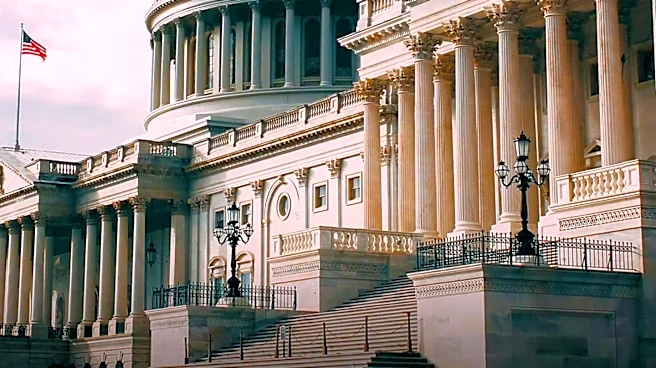
purchase tickets for artists like Steve Lacy. Many fans, including college students, find themselves priced out of initial sales and are forced to consider the secondary market, where prices can be substantially higher than face value. For instance, general admission tickets for Steve Lacy's tour were listed at over $216 on platforms like VividSeats, and up to $350 on StubHub. The issue is compounded by additional fees tacked onto ticket prices, making live music less financially accessible for many. The Federal Trade Commission has initiated legal action against Live Nation and Ticketmaster, alleging monopolistic practices within the live entertainment industry, indicating a broader regulatory concern over these issues.
Why It's Important?
The escalating costs and complexities of concert ticket purchasing have a significant impact on consumers and the entertainment industry. For fans, it means reduced access to live music, forcing many to either pay exorbitant prices on the resale market or miss out entirely. This creates a barrier for a substantial portion of the population, particularly students and those with limited disposable income, who are increasingly finding it difficult to afford concert experiences. The reliance on the secondary market also shifts revenue away from artists and primary vendors, potentially affecting their earnings and the overall financial health of the music industry. Furthermore, the ongoing legal scrutiny by the Federal Trade Commission against major players like Live Nation and Ticketmaster highlights concerns about fair competition and consumer protection within the U.S. entertainment sector. The outcome of such legal challenges could reshape how tickets are sold and distributed, potentially leading to reforms that aim to make live events more accessible and affordable.
What's Next?
The legal proceedings initiated by the Federal Trade Commission against Live Nation and Ticketmaster will likely continue to unfold, potentially leading to significant changes in the concert ticketing landscape. Depending on the outcome, there could be new regulations or industry practices aimed at curbing monopolistic behaviors, reducing ticket prices, and increasing transparency in sales. Fans may see the introduction of new purchasing models or stricter controls on resale markets. Artists and promoters might explore alternative ticketing platforms or direct-to-fan sales strategies to bypass traditional vendors and combat scalping. Additionally, there could be a continued push for legislative action to address consumer protection in the live entertainment industry. For consumers, the immediate future may still involve navigating high prices and competitive sales, but the increased attention from regulators and the public could eventually lead to a more equitable and accessible concert experience.
Beyond the Headlines
The challenges in the concert ticketing industry extend beyond mere pricing issues, touching upon broader societal and cultural implications. The increasing inaccessibility of live music due to high costs could lead to a more stratified cultural landscape, where only those with significant financial resources can participate in major cultural events. This could diminish the shared cultural experiences that live music provides and impact the development of new artists who rely on accessible fan engagement. Ethically, the practices of the resale market raise questions about fairness and exploitation, as tickets are often resold at prices far exceeding their original value, profiting third parties rather than the creators. The debate also highlights the tension between free-market principles and consumer protection, particularly when essential cultural experiences become commodities. Long-term, if unchecked, these trends could fundamentally alter the relationship between artists and their audiences, potentially fostering a less inclusive and more commercially driven entertainment environment.