








What's Happening?
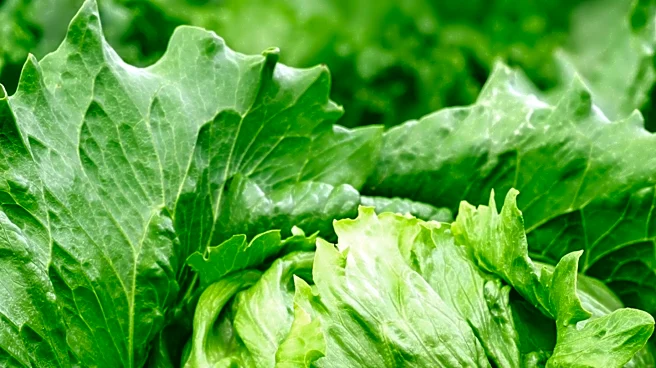
Taylor Farms, a California-based supplier, recalled iceberg lettuce sourced from central Mexico following a cyclospora outbreak. Federal health officials identified this lettuce, served at Taco Bell locations in five U.S. states—Indiana, Kentucky, Michigan,
Ohio, and West Virginia—as the source of the widespread parasitic infection. The Centers for Disease Control and Prevention (CDC) warned consumers against eating shredded iceberg lettuce from these Taco Bell restaurants. The CDC declared the outbreak over on September 11, recording two deaths and 12,883 related cases across the U.S. This incident led to a 4% decline in Taco Bell’s U.S. same-store sales during the July-September period compared to the previous year, although international sales saw a 5% increase. Yum Brands, Taco Bell's parent company, noted that U.S. sales have been recovering since late September.
Why It's Important?
This incident highlights the critical importance of food safety and supply chain integrity within the U.S. food industry. A single contamination event, even from a specific ingredient like iceberg lettuce, can have significant financial repercussions for major fast-food chains and their suppliers. The 4% drop in Taco Bell's U.S. same-store sales demonstrates how quickly consumer confidence can erode and impact revenue. For Taylor Farms, the recall and association with a widespread illness outbreak can damage its reputation and potentially lead to stricter regulatory scrutiny. This event also underscores the vulnerability of the U.S. food supply to issues originating from international sources, emphasizing the need for robust import controls and supplier vetting to protect public health and economic stability in the food sector.
What's Next?
Following the recovery in sales, Taco Bell, under Yum Brands, will likely continue to implement strategies to maintain customer loyalty and rebuild trust. CEO Chris Turner noted that weekly app-based deals and the chain's value menu helped bring back core users. The food industry, including suppliers like Taylor Farms, may face increased pressure to enhance their food safety protocols, particularly for produce sourced internationally. Regulatory bodies like the CDC and FDA might also review and potentially strengthen guidelines for the import and handling of fresh produce to prevent similar outbreaks. Consumers are likely to remain vigilant about food safety, potentially favoring brands that demonstrate transparent and stringent quality control measures.
Beyond the Headlines
The cyclospora outbreak linked to Taylor Farms' lettuce and Taco Bell reveals deeper implications regarding global food supply chains and consumer trust. The incident underscores the complex challenges of ensuring food safety when ingredients are sourced from various international locations, making traceability and rapid response critical. Beyond the immediate financial impact, such outbreaks can lead to long-term shifts in consumer behavior, potentially increasing demand for locally sourced produce or products with clearer origin labeling. It also raises questions about the ethical responsibilities of large corporations in monitoring their supply chains and the potential for legal ramifications from affected consumers. The incident serves as a stark reminder that public health crises, even those seemingly contained, can have far-reaching economic and societal consequences.