




What's Happening?
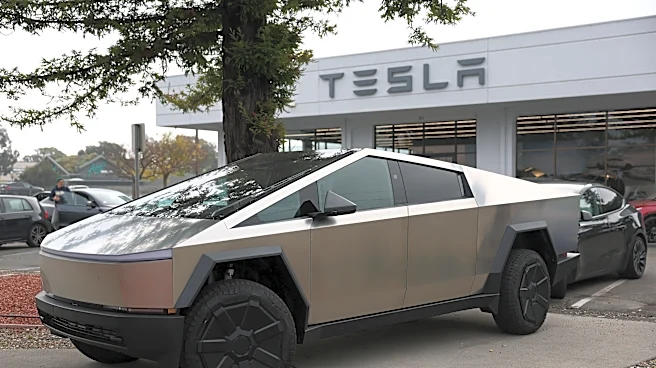
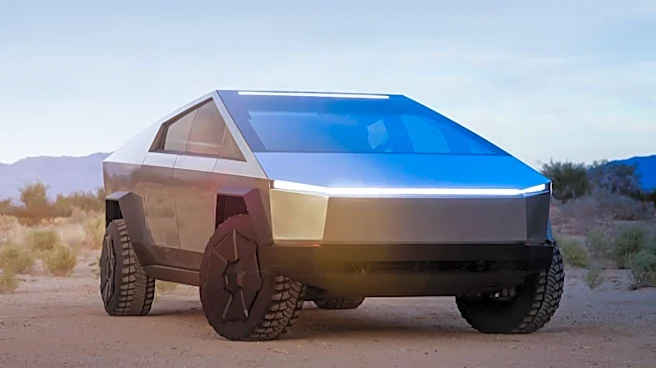
Elon Musk's recent endeavors, including the Cybertruck and substantial investments in midterm elections, have reportedly faced significant setbacks. The Cybertruck, unveiled in November 2019, has been described as having its ideas for how people should
live and move in the world 'rejected in a big way.' This assessment comes after Musk reportedly spent half a billion dollars on midterm elections, which also did not yield desired outcomes. The narrative suggests a period where Musk's influential ideas and financial commitments have not translated into success, indicating a notable downturn in the reception of his initiatives. The specific details of the 'rejection' for the Cybertruck are not elaborated upon in this context, but the overall sentiment points to a lack of widespread acceptance or success for these ventures.
Why It's Important?
This development is significant as it reflects on the influence and impact of one of the most prominent figures in technology and business. Elon Musk's ventures, particularly with Tesla and SpaceX, often carry substantial market and public attention. A 'rejection' of his ideas, especially concerning a high-profile product like the Cybertruck, could influence consumer confidence in future Tesla products and potentially impact the company's stock performance. Furthermore, the reported expenditure of half a billion dollars on midterm elections without achieving desired results highlights the limitations of financial power in political outcomes, even for influential individuals. This could lead to a re-evaluation of strategies for political engagement by other business leaders and impact the perception of Musk's broader influence beyond his core industries.
What's Next?
The immediate future for the Cybertruck remains to be seen, particularly how Tesla will address any perceived 'rejection' or market challenges. This could involve design modifications, marketing strategy shifts, or adjustments to production plans. For Elon Musk's political involvement, a reassessment of his approach to political donations and endorsements might occur following the reported unsuccessful midterm investments. This could lead to a more targeted or different strategy in future election cycles, or a reduction in direct political spending. The broader implications might also include a shift in public perception of Musk, potentially affecting his ability to rally support for future ambitious projects, both commercial and political. Stakeholders, including Tesla investors and political observers, will likely monitor how Musk responds to these reported setbacks.
Beyond the Headlines
The narrative of 'rejection' for Elon Musk's initiatives, particularly the Cybertruck and midterm election spending, delves into deeper implications regarding innovation, public acceptance, and the efficacy of wealth in shaping societal outcomes. It raises questions about whether technological innovation, even from a visionary like Musk, can always align with public demand or political realities. The Cybertruck's unconventional design, while generating significant buzz, may have faced practical or aesthetic hurdles for broader market adoption. Similarly, the substantial political spending highlights the complex and often unpredictable nature of democratic processes, where financial input does not guarantee influence. This situation could serve as a case study on the limits of individual influence, even for billionaires, in both consumer markets and political landscapes, prompting discussions on the role of public sentiment and collective decision-making.