



What's Happening?
Macario, a restaurant known for its Guadalajaran Lonches Bañados sandwiches, is closing its Park Slope, Brooklyn location and relocating to 167 Avenue B in the East Village, New York City. The move comes less than a year after the restaurant's opening,
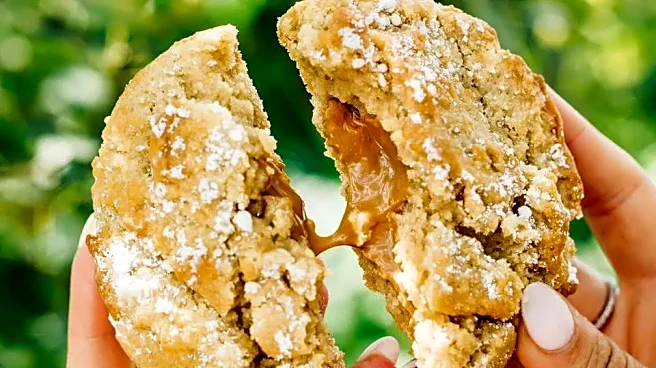
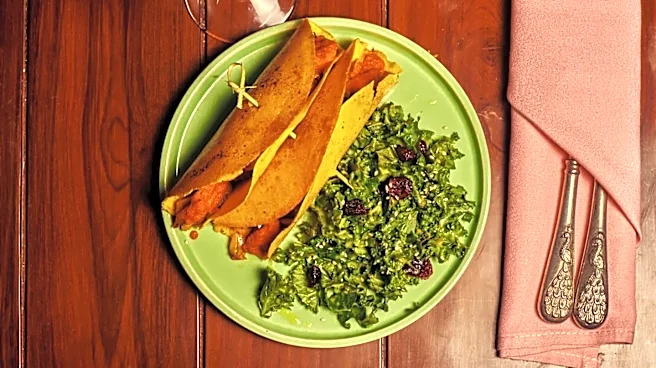
despite receiving strong reviews and experiencing brisk business. Chef and owner Marshall Dean explained that Park Slope was not the right fit for the establishment. The restaurant's signature dish features crusty, fresh-baked Birote bread filled with pulled pork, chicken, or melted cheese, drenched in a 50-year-old family recipe sauce, and finished with crema. Dean's decision to move was direct, indicating that the neighborhood did not align with his expectations for the business. The new East Village location will be situated between East 10th and 11th Streets.
Why It's Important?
The relocation of Macario highlights the dynamic and often challenging landscape of the restaurant industry in New York City, particularly the importance of neighborhood fit for a business's long-term success. Even with critical acclaim and a popular product, a mismatch between a restaurant's concept and its local clientele or operational environment can necessitate a move. This event underscores the significant investment and risk involved in opening and operating a restaurant, where factors beyond food quality, such as community demographics, local regulations, and competitive pressures, play a crucial role. For the Park Slope community, this represents the loss of a well-regarded local eatery, potentially impacting local dining options and neighborhood character. For the East Village, it signifies a new culinary addition, bringing a unique regional Mexican cuisine to a different part of the city. The decision also reflects broader trends in urban development and gentrification, where businesses constantly evaluate their locations to optimize for profitability and cultural alignment.
What's Next?
Macario is expected to close its Park Slope location within the next couple of weeks and will subsequently open its new establishment in the East Village. The transition will involve setting up operations in the new space and re-establishing its customer base in a different neighborhood. The restaurant will likely focus on marketing its unique offerings to the East Village community, which has a distinct dining culture compared to Park Slope. Chef Marshall Dean will need to adapt to the new environment, potentially adjusting aspects of the business to better suit the East Village clientele while maintaining the core identity of Macario. The success of the relocation will depend on how well the restaurant integrates into its new surroundings and whether it can attract a loyal following in its new home. The former Park Slope location will become available for a new business, contributing to the ongoing turnover in commercial real estate.
Beyond the Headlines
Macario's move from Park Slope to the East Village subtly reflects the evolving cultural and economic identities of New York City's neighborhoods. Park Slope, often characterized by its family-friendly atmosphere and established residential community, might not have provided the specific customer base or foot traffic that Macario, with its distinct and perhaps more adventurous menu, sought. The East Village, known for its vibrant and diverse culinary scene, experimental businesses, and younger demographic, could offer a more receptive environment for Macario's unique Lonches Bañados. This shift illustrates how businesses, particularly in the food industry, are not just selling products but also curating experiences that must resonate with the specific ethos of a location. It also speaks to the broader narrative of urban change, where neighborhoods continuously transform, influencing the types of businesses that thrive within them. The restaurant's journey underscores the importance of strategic location planning and understanding the nuanced cultural fabric of urban areas for entrepreneurial success.