






What's Happening?
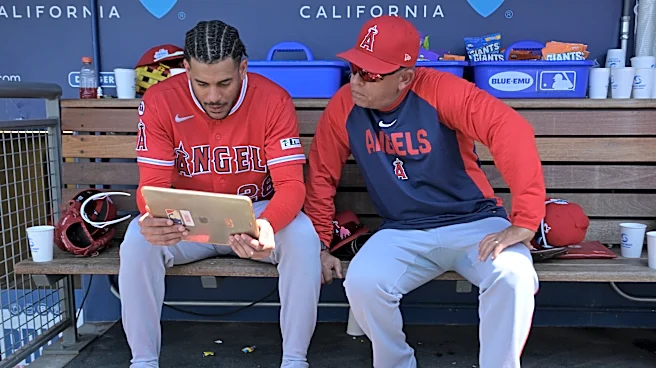
Major League Baseball (MLB) has announced a ban on the use of generative AI in dugouts. This decision comes as part of broader discussions on player contracts and salary caps. The new proposals suggest a five-year contract limit for free agents switching
teams and a six-year limit for players re-signing with their current teams. Additionally, the maximum salary for new acquisitions would be capped at 15% of the salary cap in the first year. These changes aim to address issues related to deferred payments, which have been a point of contention in recent years.
Why It's Important?
The ban on generative AI in dugouts reflects MLB's commitment to maintaining the integrity of the game by preventing technological interference. This move could influence how teams strategize and make in-game decisions. The proposed contract changes are significant as they aim to create a more balanced financial landscape within the league. By capping salaries and limiting contract lengths, MLB seeks to prevent financial disparities and ensure competitive fairness. These changes could impact player negotiations and team strategies, potentially leading to shifts in team compositions and player movements.
What's Next?
The MLB Players Association (MLBPA) is expected to respond to these proposals, which could lead to further negotiations or adjustments. The outcome of these discussions will likely shape the future of player contracts and team dynamics in the league. Teams and players will need to adapt to the new regulations, which may influence their long-term planning and financial strategies. The ban on generative AI may also prompt teams to explore alternative methods for gaining competitive advantages, potentially leading to innovations in coaching and player development.