

What's Happening?
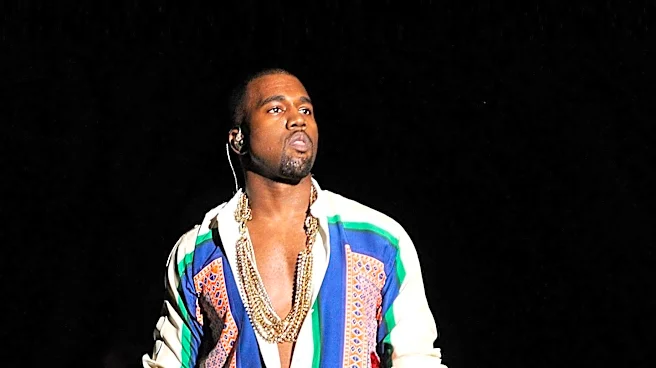
Kanye West is being sued by opera singer Chase Taylor, who alleges he was effectively confined and underpaid while working on West's 2019 opera, 'Nebuchadnezzar.' According to the 45-page complaint filed on November 11 in North Carolina, Taylor claims
he was recruited for a principal singing role, expecting a completed opera, but instead was given only days to help finish the music and prepare over 150 performers. He alleges that after arriving at Cody High School in Wyoming on November 20, 2019, band room doors were locked, and even bathroom breaks required producer approval. Taylor also describes cramped conditions, inadequate food, and limited rest opportunities. His duties reportedly expanded beyond singing to include composing, arranging music, directing rehearsals, and teaching performers. Furthermore, Taylor claims his musical work from 'Nebuchadnezzar' and West's second opera, 'Mary,' was later used in recordings and performances, including tracks like 'Hurricane' and 'Wash Us in the Blood,' without his permission or payment. He is seeking damages, recognition of his authorship and copyright interests, and a jury trial, with claims including false imprisonment, fraud, and unfair business practices. This is not the first legal issue related to the production, as another musician has filed a separate lawsuit, and a worker class action previously resulted in a $1.35 million settlement.
Why It's Important?
This lawsuit highlights significant issues within the entertainment industry regarding artist compensation, working conditions, and intellectual property rights. For musicians and performers, the allegations of unpaid contributions and unauthorized use of musical work underscore the vulnerabilities artists face, particularly when collaborating with high-profile figures. The claims of false imprisonment and inadequate working conditions, if proven, could set a precedent for stricter oversight of production environments, especially in projects involving large numbers of performers. The case also brings into focus the complexities of copyright ownership and the importance of clear contractual agreements in creative endeavors. The outcome could influence how future collaborations are structured, potentially leading to more stringent protections for contributing artists and clearer guidelines for intellectual property usage. This legal challenge could also impact Kanye West's reputation and future projects, as it adds to a history of legal disputes surrounding his productions.
What's Next?
Chase Taylor is seeking damages, recognition of his authorship and copyright interests, and a jury trial. The lawsuit includes claims of false imprisonment, fraud, and unfair business practices. West's representatives have not yet responded to requests for comment. This case follows another separate lawsuit filed by musician Willie Alexander, who also alleges he was required to help write the opera 'Nebuchadnezzar' after expecting an existing score. A mandatory settlement conference for Alexander's case is scheduled for January 12, 2027. Additionally, a worker class action related to 'Nebuchadnezzar' previously resulted in a $1.35 million settlement, which received final court approval in July 2025, with checks subsequently sent to over 600 class members. The current lawsuit against Kanye West and associated companies, including Very Good Touring, Getting Out Our Dreams, Yeezy LLC, and Yeezy Apparel LLC, will proceed through the legal system, potentially involving discovery, further negotiations, and ultimately a trial if no settlement is reached.
Beyond the Headlines
The allegations in this lawsuit extend beyond typical contractual disputes, touching upon ethical considerations in artistic production and the power dynamics between established artists and their collaborators. The claims of 'false imprisonment' and 'cramped conditions' raise questions about the duty of care producers owe to their performers, particularly in high-pressure creative environments. This case could prompt a broader discussion within the entertainment industry about the ethical treatment of artists, especially those in supporting roles who may lack the leverage to negotiate favorable terms. It also underscores the ongoing challenge of protecting intellectual property in a collaborative setting, where contributions can become blurred without explicit agreements. The outcome could influence industry standards for artist contracts, potentially leading to more transparent and equitable practices to prevent similar disputes in the future. The repeated legal challenges surrounding West's opera productions suggest a systemic issue that could lead to increased scrutiny of his creative ventures.