




What's Happening?
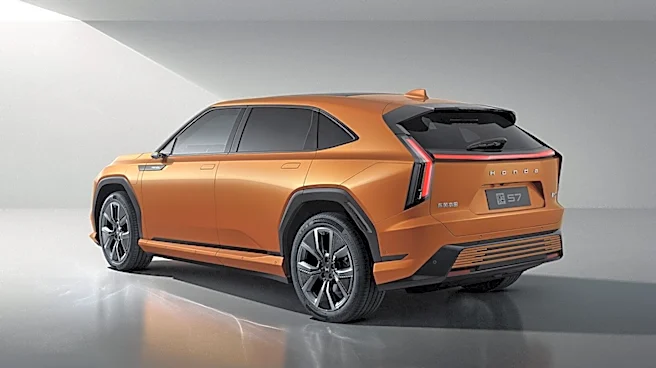
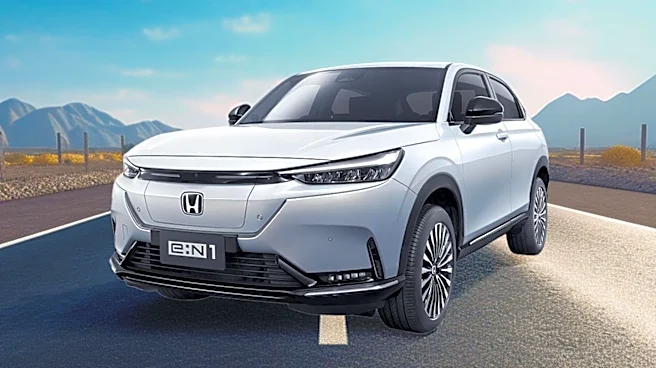
Honda has announced a strategic shift in its vehicle production, focusing on hybrid vehicles following the decision to halt the production of its electric vehicle, the Prologue. This move is part of Honda's broader strategy to maintain customer loyalty
and adapt to changing market demands. The Prologue, developed in collaboration with General Motors, was initially intended to serve as a bridge to Honda's next-generation electric vehicles. However, production will cease by 2026, with sales of existing inventory continuing into early 2027. Honda's decision comes amid challenges in its electric vehicle strategy, including the suspension of the development of the 0 Series EV and the AFEELA 1, a joint project with Sony. The company anticipates significant financial losses as it reevaluates its electrification strategy.
Why It's Important?
Honda's shift from electric vehicles to hybrids highlights the challenges automakers face in the transition to full electrification. This decision could impact the broader automotive industry by influencing other manufacturers to reconsider their electrification timelines. For consumers, this shift may affect the availability and pricing of electric vehicles, potentially slowing the adoption of EVs in favor of hybrids. The move also underscores the financial risks associated with rapid electrification, as Honda anticipates substantial losses. This strategic pivot may influence policy discussions on automotive emissions and the future of transportation, as governments and industries navigate the balance between environmental goals and market realities.
What's Next?
As Honda transitions its focus to hybrid vehicles, the company will likely invest in developing and marketing these models to retain its customer base. The automotive industry will be watching closely to see if other manufacturers follow suit, potentially leading to a broader industry trend. Policymakers may also respond by adjusting incentives and regulations to support hybrid technology. Honda's financial performance will be closely monitored, as the company navigates the financial implications of its strategic shift. The outcome of this transition could influence future investments in electric vehicle infrastructure and technology development.