







What's Happening?
Iowa manufacturers are experiencing significant pressure due to elevated wholesale inflation and existing tariffs, as indicated by Creighton University's latest survey. The Business Conditions Index for Iowa slightly decreased to 53.4 in August from 53.6
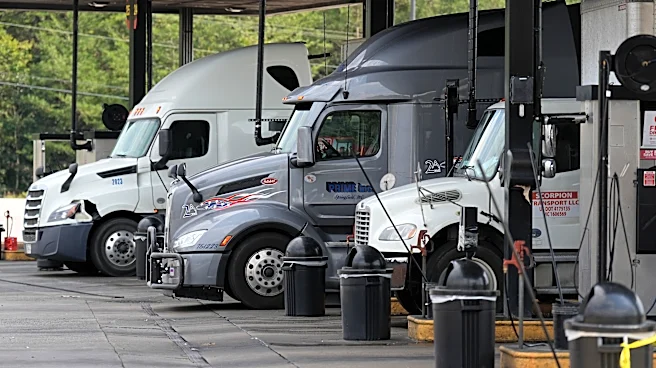
in July. Supply managers have reduced foreign purchasing over the past 14 months, citing supply bottlenecks, higher input prices, and rising transportation costs. Approximately 29% of supply managers reported tariffs as a primary driver of increased wholesale prices. The index for the delivery speed of raw materials and supplies rose to 60 from 59.5 in July, signifying slower delivery times and increased supply chain disruptions. Ernie Goss, director of Creighton University’s Economic Forecasting Group, noted that while regional manufacturing growth is solid, Iowa's manufacturing sector, closely tied to agriculture, has seen job losses, with 2,100 jobs lost in the last 12 months.
Why It's Important?
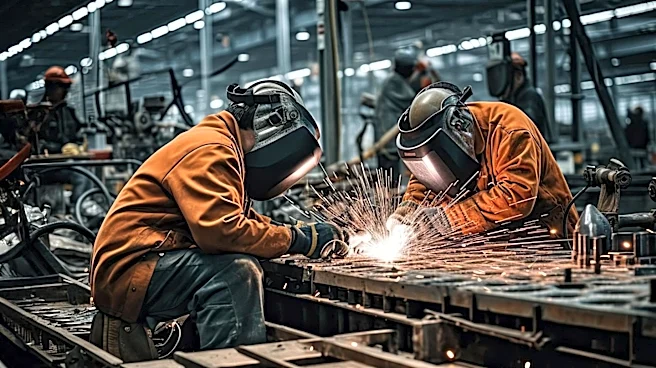
The combination of tariffs and wholesale inflation poses a substantial challenge to Iowa's manufacturing sector, which is a critical component of the state's economy, particularly its agricultural equipment industry. The pressure on manufacturers can lead to higher production costs, which are often passed on to consumers, contributing to broader inflationary trends. The reported job losses in manufacturing highlight the economic strain on the state's workforce and could have ripple effects on rural communities, potentially weakening the tax base and slowing commerce. Furthermore, tariffs on materials like steel and aluminum increase input costs for manufacturers, impacting their competitiveness and profitability. The slower delivery speeds and supply chain disruptions also underscore vulnerabilities in the global supply network, affecting the timely availability of goods and potentially leading to further price increases.
What's Next?
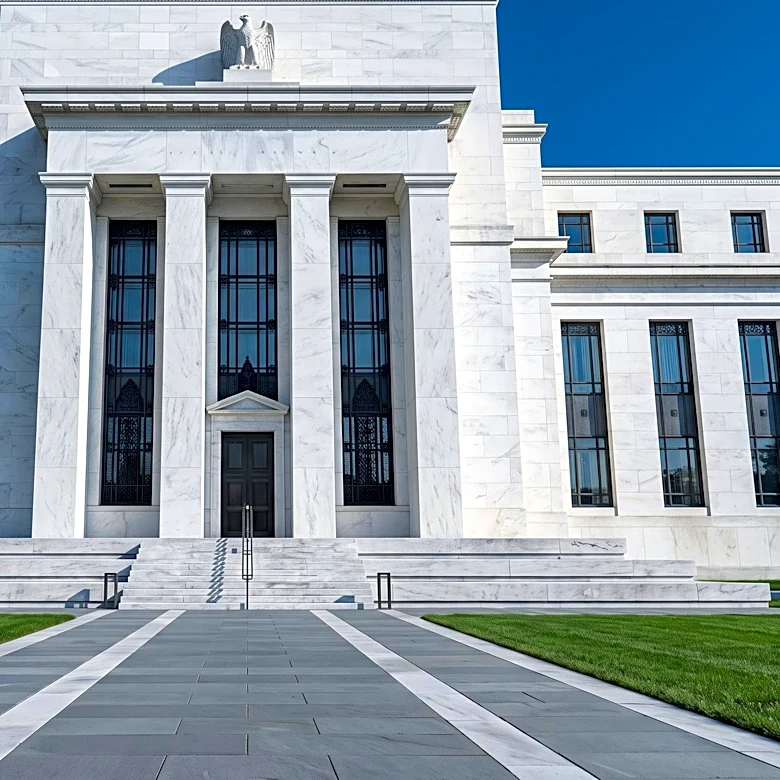
The ongoing inflationary pressures and tariffs are likely to continue impacting Iowa manufacturers in the near future. The report suggests that increased transportation and freight costs, reported by about four out of five supply managers, will persist. The elevated wholesale inflation also increases the likelihood of further interest rate hikes by the Federal Reserve, which could impact borrowing costs for businesses. The volatility caused by external sales, such as corn exports to Mexico and soybean exports to China, will remain a factor, especially with impending increased tariffs from the U.S. and Canada. The construction industry could also face challenges due to tariffs on Canadian lumber. Manufacturers will need to adapt to these cost pressures, potentially through supply chain adjustments or by absorbing some of the increased expenses, which could affect their profit margins.
Beyond the Headlines
The situation in Iowa reflects a broader national economic challenge where trade policies and inflationary pressures intersect to affect local industries. The reliance of Iowa's manufacturing on agriculture means that fluctuations in farm income and commodity prices have direct consequences for the state's industrial health. The report's mention of declining net farm income and reduced equipment purchases by farmers illustrates a cyclical economic relationship where stress in one sector quickly transmits to another. This interconnectedness highlights the complexity of managing economic stability, as policy decisions like tariffs, intended to achieve specific trade outcomes, can have unintended and far-reaching impacts on domestic industries and employment. The long-term implications could include a shift in manufacturing strategies, with companies potentially seeking to localize supply chains to mitigate tariff and transportation risks, or a continued struggle for smaller manufacturers to remain competitive.