





What's Happening?
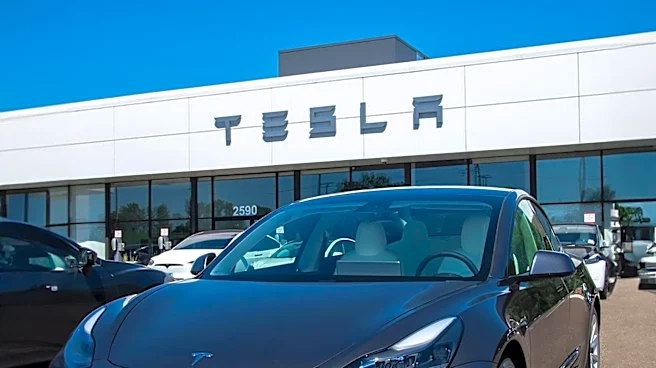
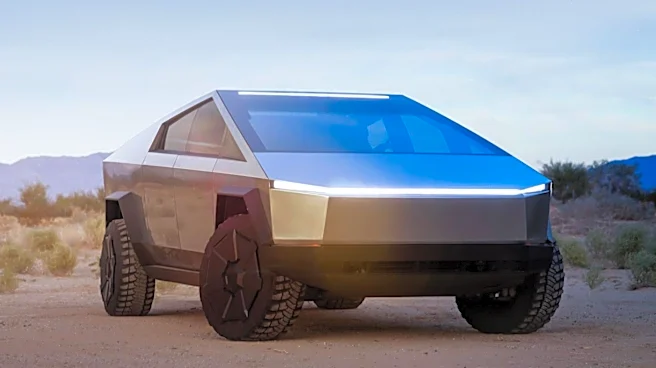
Tesla plans to incorporate new inverter technology, originally designed for its Cybercab, into the 2026 Model 3 production. According to Nick Verzini, Tesla’s head of drive unit engineering, this will involve a new printed circuit board assembly and power
stage. The inverter's function is to convert the battery's DC power into AC power for the motor, directly influencing efficiency and cost. Verzini noted that the new design significantly reduces the number of electronic components compared to the current Model 3 inverter and allows for parts from multiple suppliers. While the entire unit is designed to fit a Model Y drive unit, Tesla has not yet announced any changes for the Model Y. These technological advancements aim to streamline the manufacturing process and potentially reduce supply chain vulnerabilities.
Why It's Important?
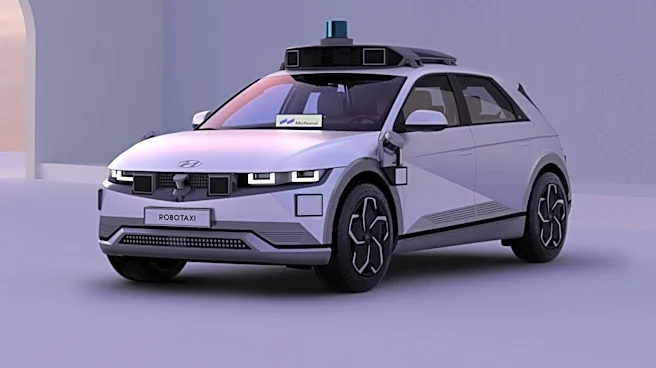
This integration of Cybercab technology into the Model 3 signifies Tesla's strategy to leverage innovations across its product lines, potentially leading to more cost-effective and resilient manufacturing. By reducing the number of electronic components and diversifying suppliers, Tesla could mitigate risks associated with supply chain disruptions, which have impacted the automotive industry in recent years. While current reports suggest no immediate changes to efficiency, range, or price for consumers, the long-term implications could include more stable pricing and improved production scalability. For the Cybercab, an efficiency target of at least 6.1 miles per kWh is crucial for its intended all-day operation, highlighting the importance of these inverter advancements for Tesla's broader electric vehicle and robotaxi ambitions.
What's Next?
The new inverter technology is slated for Model 3 production in 2026. While Tesla has not confirmed specific changes for other models like the Model Y, the compatibility of the new drive unit interface suggests potential future integration. Consumers should monitor for official announcements regarding any changes in vehicle specifications, pricing, or availability. The real-world impact on reliability, pricing, and overall efficiency will be a key area to watch as these new components are rolled out. Further developments regarding the Cybercab's broader deployment and how its technology influences other Tesla vehicles will also be significant indicators of the company's strategic direction.
Beyond the Headlines
The move to integrate Cybercab technology into consumer vehicles like the Model 3 reflects a broader industry trend towards modularity and shared platforms in electric vehicle development. This approach can accelerate innovation cycles and reduce development costs by allowing technologies to be scaled across different vehicle types. Ethically, this could lead to more sustainable manufacturing practices through optimized resource use and reduced waste from complex electronic components. Legally, the use of multi-sourced parts could enhance supply chain resilience, potentially reducing regulatory scrutiny related to single-source dependencies. Culturally, it reinforces Tesla's image as an innovator that continuously seeks to optimize its engineering and production processes, potentially influencing other automakers to adopt similar cross-platform technological transfers.