





What's Happening?
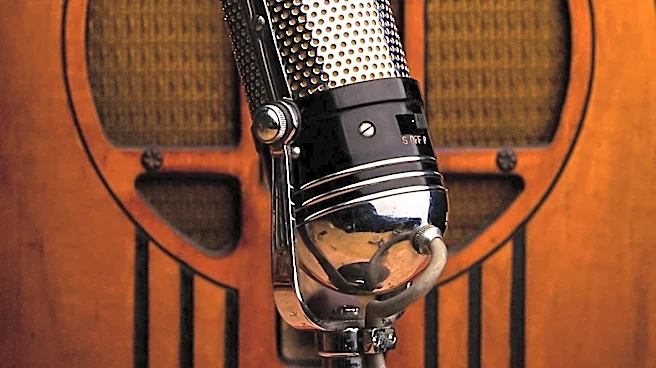
In 1938, a radio broadcast of 'The War of the Worlds' by Orson Welles caused widespread panic among Americans. The program, presented as a series of urgent news updates, described an alien invasion from Mars, leading listeners to believe they were experiencing
a real national emergency. Many tuned in late and missed the initial announcement that the broadcast was fictional, resulting in confusion and fear. The incident became a significant example of misinformation in media history, highlighting the trust people placed in radio as a source of news and information during that era.
Why It's Important?
The 1938 broadcast serves as an early lesson in the power of media to influence public perception and the potential for misinformation to spread rapidly. It underscores the importance of verifying information and the role of media literacy in preventing panic and confusion. The event also led to changes in broadcasting standards, with regulators becoming more cautious about fictional programs that could be mistaken for real news. This historical incident remains relevant today as discussions about misinformation and disinformation continue, especially in the context of social media and digital communication.