




What's Happening?
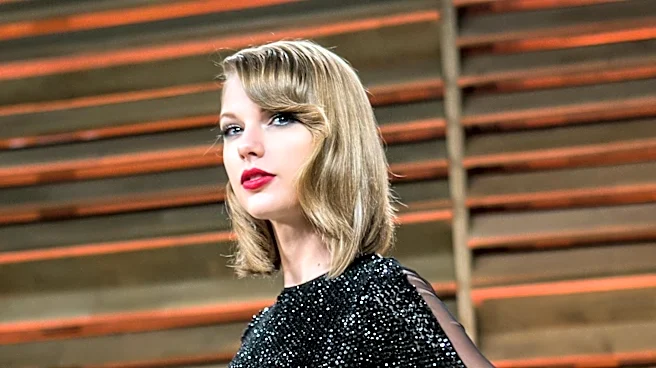
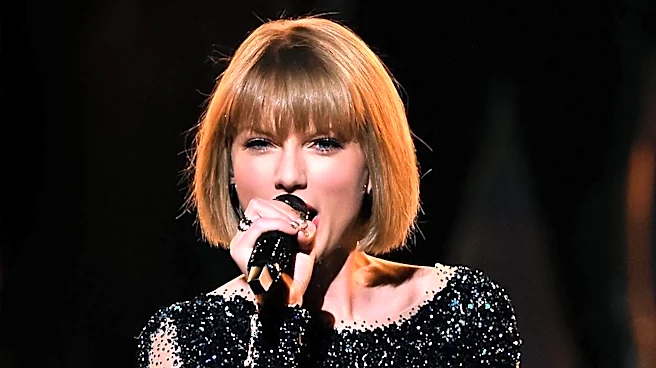
Vanity Fair's recent article, 'The Mastermind,' focusing on pop superstar Taylor Swift, has sparked significant criticism for its unconventional approach. The piece, penned by May Jeong, avoids directly naming Swift, referring to her instead as 'The Star,'
and uses similar descriptors for other individuals mentioned. The article, which reportedly involved interviews with over 100 people, relies heavily on anonymous sources or those given pseudonyms. Its structure is divided into an 'A-side' and 'B-side,' and it incorporates capitalized letters that spell out 'Look What You Made Me Do,' a reference to one of Swift's song titles. Critics, including Dan Wakeford, founder of Celebrity Intelligence, argue that while the ambition to create a 'blind item' is noted, its effectiveness is lost when the subject is widely known. The article has been described as a 'hit piece' by some, with concerns raised about its journalistic integrity due to the extensive use of anonymity and the lack of direct engagement with Swift.
Why It's Important?
This incident highlights a broader discussion within journalism regarding ethical sourcing, narrative style, and the public's trust in media. The reliance on anonymous sources, particularly when discussing a prominent public figure, can undermine credibility and lead to accusations of biased reporting. For Vanity Fair, a publication with a history of in-depth profiles, this approach has drawn scrutiny and potentially damaged its reputation among readers and media critics. For the entertainment industry, it underscores the power dynamics between celebrities and the press, and how attempts to scrutinize powerful figures can backfire if not executed with clear journalistic standards. The strong reaction from Swift's fanbase, who effectively launched a defense campaign, also demonstrates the significant influence of fan communities in shaping public perception and holding media outlets accountable.
What's Next?
The immediate aftermath of the article's publication has seen continued debate across social media and within media circles regarding its merits and flaws. It is likely that Vanity Fair will face ongoing pressure to address the criticisms, potentially leading to internal discussions about editorial policies concerning anonymity and celebrity profiling. Other media outlets may re-evaluate their own approaches to covering high-profile individuals, particularly in light of the strong public reaction. This event could also influence how celebrities and their teams engage with journalists, potentially leading to more cautious or controlled interactions. The incident serves as a case study for journalism schools and media ethics discussions on the challenges of reporting on powerful figures while maintaining journalistic integrity.
Beyond the Headlines
The controversy surrounding 'The Mastermind' delves into deeper implications concerning the nature of celebrity, public image, and the media's role in shaping narratives. The article's attempt to deconstruct Swift's 'curated image' through anonymous accounts raises questions about the authenticity of public personas and the media's responsibility to present a balanced view. The 'blind item' format, traditionally used for gossip, when applied to a figure of Swift's stature, blurs the lines between investigative journalism and speculative reporting. This incident also touches upon the class dynamics subtly explored in the article, such as the anecdote about Ugg boots, which, despite being widely mocked, points to underlying societal perceptions and judgments. Ultimately, it reflects a cultural tension between the desire for unfiltered truth about public figures and the ethical boundaries of how that truth is pursued and presented.