







What's Happening?
Amazon's annual Prime Day event, now extended to a four-day format, is set to generate significant sales, with estimates predicting a 7.1% increase from the previous year, totaling $15.6 billion in the U.S. This event, which began as a single day in 2015,
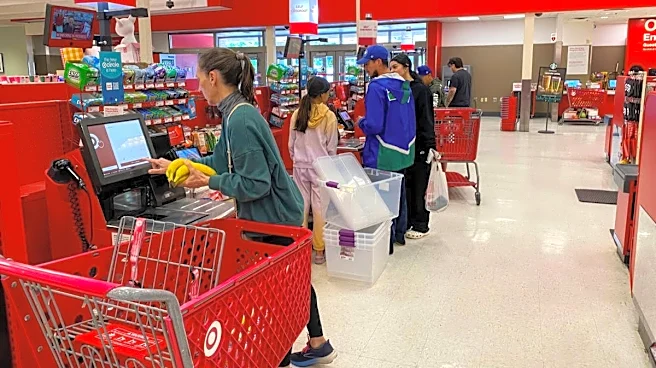
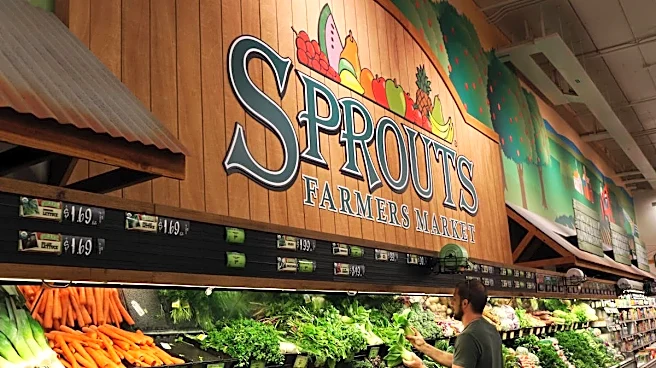
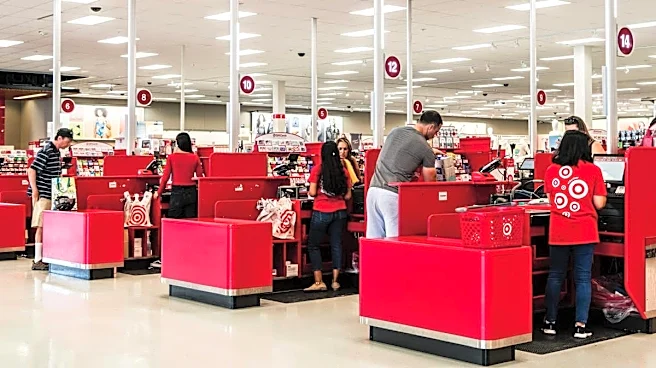
has evolved to capture more summer shopping activity. The focus this year is on everyday essentials, with Amazon offering additional discounts on grocery items for Prime members. Competitors like Walmart, Target, and Best Buy are also launching promotions to attract consumers. The event's timing has been moved earlier in the year to capitalize on a lull in summer shopping.
Why It's Important?
The Prime Day event is crucial for Amazon as it seeks to solidify its position as a leading destination for everyday essentials, especially in a climate where consumers are increasingly budget-conscious due to inflation. The event's success could further entrench Amazon's dominance in the e-commerce sector, particularly in categories like groceries and personal care items. This shift in focus reflects broader consumer trends towards value and necessity-driven purchases. The event also serves as a strategic tool for Amazon to enhance customer loyalty and increase the value of Prime memberships.
What's Next?
Amazon's continued investment in grocery and essential items, coupled with its expansion of same-day delivery capabilities, suggests a long-term strategy to dominate these categories. The success of this year's Prime Day could influence future promotional strategies and potentially lead to further innovations in personalized shopping experiences, such as the use of AI tools like Alexa for Shopping. Competitors will likely continue to adapt their strategies to counter Amazon's growing influence in these sectors.
Beyond the Headlines
The evolution of Prime Day from a single-day event to a four-day shopping extravaganza highlights Amazon's ability to adapt to changing consumer behaviors and market conditions. The focus on essentials and groceries indicates a shift in consumer priorities, driven by economic pressures. This trend could have lasting implications for the retail industry, as companies may need to adjust their product offerings and marketing strategies to align with consumer demand for value and convenience.