





What's Happening?
ExxonMobil Holdings Corp. has received approval for its Rose carbon-capture project in Texas. The Railroad Commission of Texas, the state's primary oil and natural gas regulator, granted the permit with a 2-to-1 vote. This approval allows ExxonMobil to proceed
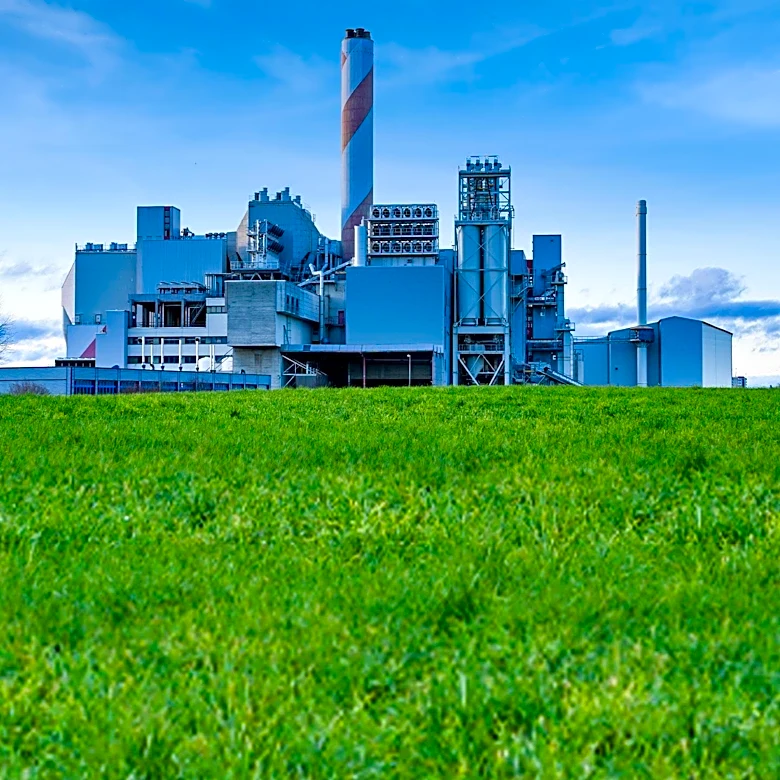
with the development, which is anticipated to be one of the largest emission-reducing projects of its kind. The permit specifically authorizes ExxonMobil to inject up to 53 million tons of carbon dioxide over a 13-year period. This carbon dioxide will be sourced from industrial emitters along the Gulf Coast and permanently stored in rock strata approximately one mile (1.6 kilometers) underground. ExxonMobil has not yet provided a public response to the approval.
Why It's Important?
This approval marks a significant step forward for carbon capture and storage (CCS) technology in the United States, particularly in a major industrial hub like the Texas Gulf Coast. For ExxonMobil, it represents a substantial investment in decarbonization efforts, aligning with growing pressures for energy companies to reduce their environmental footprint. The project's scale, with the capacity to store 53 million tons of CO2, highlights its potential to make a meaningful impact on industrial emissions. This development could also serve as a model for other large-scale CCS projects, demonstrating the feasibility and regulatory pathways for such initiatives. Furthermore, it reinforces Texas's role as a leader in energy innovation, extending beyond traditional oil and gas extraction to include advanced environmental technologies. The project's success could attract further investment in CCS infrastructure, creating jobs and fostering technological advancements in the sector.
What's Next?
With regulatory approval secured, ExxonMobil is expected to move forward with the construction and implementation phases of the Rose carbon-capture project. This will involve significant engineering and infrastructure development to connect industrial emitters along the Gulf Coast to the injection sites. The company will also need to establish monitoring and verification protocols to ensure the safe and permanent storage of carbon dioxide. The progress of this project will be closely watched by environmental groups, industry stakeholders, and policymakers as a benchmark for large-scale CCS viability. Future developments may include announcements regarding project timelines, partnerships with industrial emitters, and further details on the technological aspects of the storage process. The success of this project could influence future regulatory decisions and investment in CCS across the U.S.
Beyond the Headlines
The approval of ExxonMobil's Rose carbon-capture project underscores the complex interplay between traditional energy industries, environmental concerns, and technological innovation. While CCS is seen by some as a crucial tool for decarbonization, particularly for hard-to-abate industrial emissions, it also faces scrutiny regarding its long-term effectiveness, cost, and potential for 'greenwashing' by fossil fuel companies. This project highlights the ongoing debate about the role of CCS in achieving climate goals, with proponents arguing it's essential for mitigating emissions from existing infrastructure, and critics suggesting it diverts attention and resources from renewable energy solutions. The ethical considerations around geological storage, including potential leakage and long-term liability, will also be a critical aspect of public and regulatory oversight. This development reflects a broader shift in the energy landscape, where even major oil companies are investing in emission reduction technologies to adapt to a changing climate policy environment.