





What's Happening?
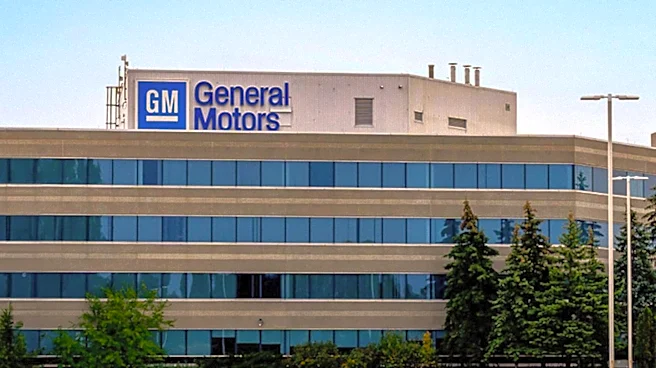
General Motors is implementing a radical shift in its vehicle development strategy, aiming to reduce the typical four-to-five-year cycle for new models down to just two years. This accelerated timeline is being driven by the extensive use of advanced
virtual tools and software platforms. The automaker is initially applying this new approach to the redesigns of its highly profitable Chevrolet Silverado and GMC Sierra full-size pickups. According to GM Chief Product Officer Sterling Anderson, new software allowed the company to test over 300,000 different lithium battery designs virtually before constructing a single physical prototype. This digital transformation enables engineers to convert concepts into manufacturing data almost instantly, bypassing traditional bottlenecks and allowing teams to focus on critical integration and fine-tuning. Mark Dickens, GM's executive chief engineer of full-size trucks, noted that these tools facilitate direct progression to production tooling for many parts, saving significant time previously spent on design translation.
Why It's Important?
This strategic shift by General Motors is crucial for maintaining its competitive edge in a rapidly evolving automotive market. The pressure from fast-moving Chinese automakers and dynamic consumer demands necessitates quicker product cycles. By slashing development times, GM can bring new features and updated models to market faster, responding more effectively to consumer preferences and technological advancements. The Chevrolet Silverado and GMC Sierra pickups are vital to GM's North American profits, making their accelerated redesign a strategic move to sustain market dominance. The ability to quickly pivot and deliver fresh features is essential as trucks become increasingly technologically advanced. This move could fundamentally rewrite the rules of American automotive manufacturing, setting a new industry standard for efficiency and responsiveness. While concerns about job displacement often arise with increased automation, GM's approach emphasizes technology as a tool to empower engineers, allowing them to focus on higher-value tasks.
What's Next?
If General Motors successfully implements and sustains this two-year development cycle for its Silverado and Sierra pickups, it is highly probable that this accelerated process will be extended to other vehicle lines across its portfolio. This could lead to a more rapid refresh of GM's entire product lineup, potentially increasing its market share and responsiveness to emerging trends, particularly in the electric vehicle (EV) segment. Other major U.S. automakers may feel pressure to adopt similar virtual development strategies to keep pace, fostering a new era of rapid innovation in the industry. The success of this initiative will also likely influence GM's investment in software and AI capabilities, further integrating these technologies into every stage of vehicle design and production. The company will need to continuously refine its virtual testing and integration processes to ensure quality and reliability are not compromised by the faster pace.
Beyond the Headlines
The deeper implications of GM's accelerated development cycle extend beyond mere speed to market. This shift represents a fundamental redefinition of the engineering workflow and the role of human capital in automotive design. By offloading tedious groundwork to advanced software, engineers are freed to engage in more complex problem-solving, innovation, and interdisciplinary collaboration. This could lead to a more intellectually stimulating work environment and attract top talent to the automotive sector. Furthermore, the extensive virtual testing capabilities, such as simulating 300,000 battery designs, could significantly reduce material waste and resource consumption associated with physical prototyping, contributing to more sustainable manufacturing practices. This digital transformation also raises questions about intellectual property in a highly virtualized design process and the potential for new forms of collaboration and competition within the global automotive supply chain.