






What's Happening?
Bob Mortimer, the 67-year-old comedian and TV personality, has adopted a new fitness regimen involving kettlebells and weights at home. This marks a significant shift for Mortimer, who previously expressed a strong dislike for exercise, even detailing
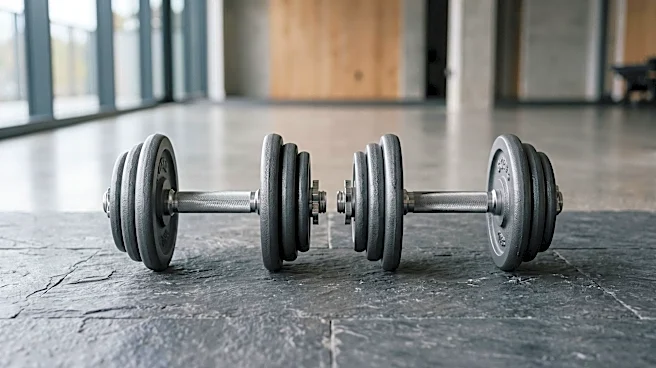
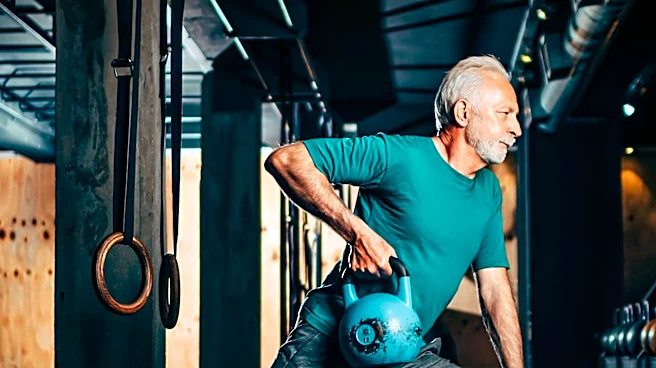
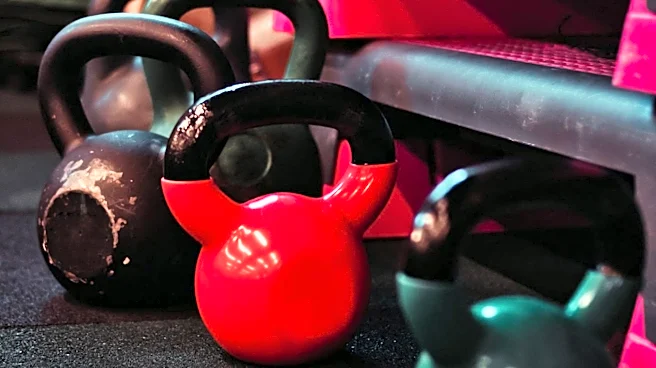
it as his 'nemesis' in his 2021 autobiography, 'And Away...'. His change of heart follows a series of health issues, including triple heart bypass surgery in 2015. Mortimer shared with The Independent that he now incorporates exercises while watching television, utilizing kettlebells and weights to build strength without needing a gym membership. This approach allows him to maintain fitness from the comfort of his living room, demonstrating that effective strength training can be achieved with minimal equipment and a flexible schedule.
Why It's Important?
Mortimer's adoption of home-based kettlebell workouts highlights a growing trend in personal fitness, particularly for older adults or individuals with past health concerns. His story underscores the accessibility and effectiveness of kettlebells as a tool for building strength, targeting multiple muscle groups, and improving overall health without the need for extensive gym equipment or a formal gym setting. This approach can be particularly beneficial for those who find traditional exercise intimidating or inconvenient. For the fitness industry, it emphasizes the demand for versatile, at-home workout solutions and equipment. It also serves as an inspiring example for individuals seeking to overcome previous aversion to exercise and integrate physical activity into their daily lives, especially after health setbacks, promoting a more sustainable and personalized approach to wellness.
What's Next?
The increasing popularity of home-based fitness, as exemplified by Mortimer, suggests a continued market for accessible workout equipment and digital fitness content. Manufacturers of kettlebells and other compact exercise gear may see sustained demand. Fitness apps and online platforms offering guided home workouts could also expand their offerings to cater to a broader demographic, including older adults and those new to exercise. Health professionals might increasingly recommend such flexible routines for patients recovering from health issues or those looking for low-impact, high-benefit exercise options. This trend could also lead to more public health campaigns promoting the benefits of simple, at-home strength training for all age groups.
Beyond the Headlines
Mortimer's narrative touches upon the psychological barriers to exercise and how personal health crises can act as catalysts for lifestyle changes. His ability to find an enjoyable and sustainable way to exercise, despite his previous disdain, offers a powerful message about adaptability and self-care. It challenges the conventional image of fitness as a strenuous, gym-centric activity, promoting a more inclusive view where exercise can be integrated into everyday life. This shift could foster a culture where individuals prioritize health through practical, less intimidating methods, potentially reducing the societal burden of chronic diseases linked to sedentary lifestyles. It also highlights the importance of finding personalized approaches to wellness that resonate with individual preferences and circumstances.