



What's Happening?
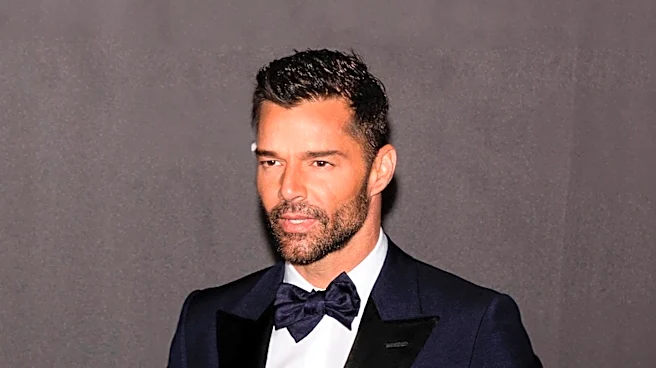
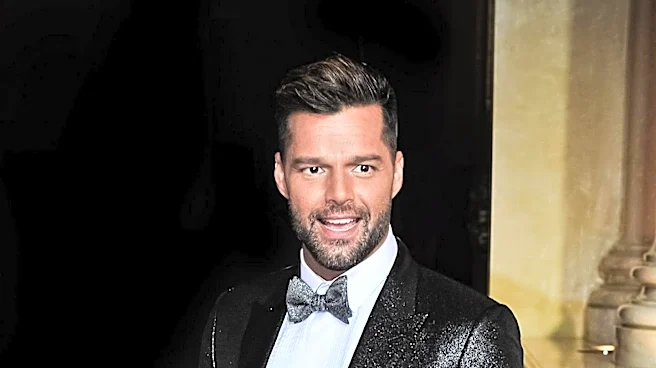
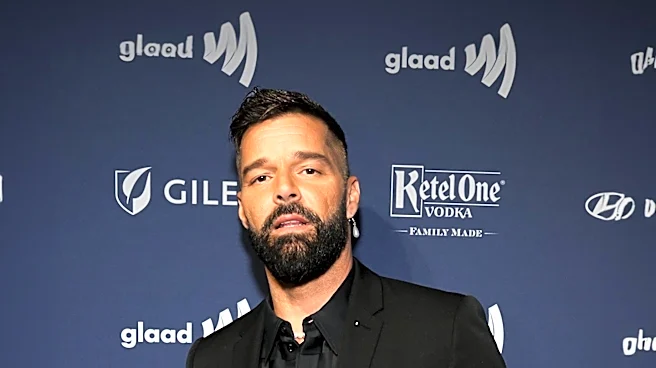
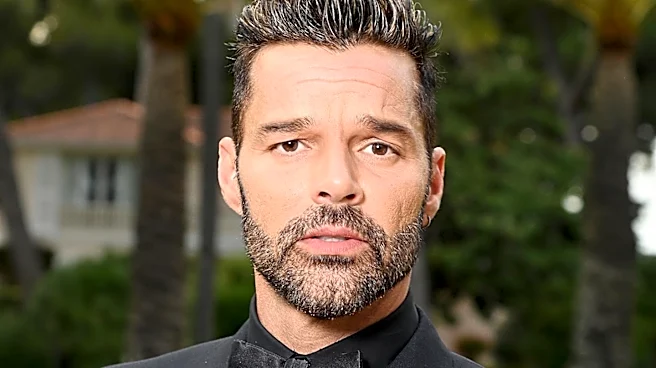
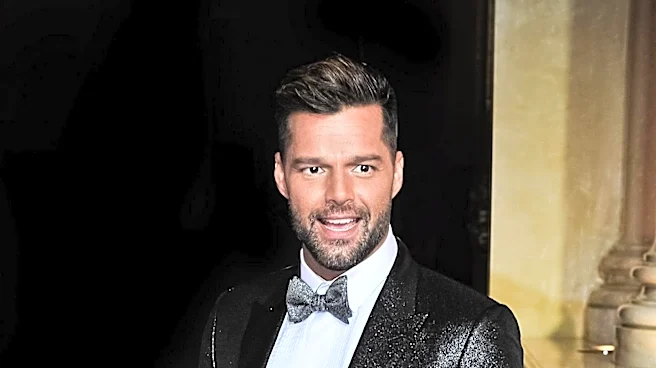
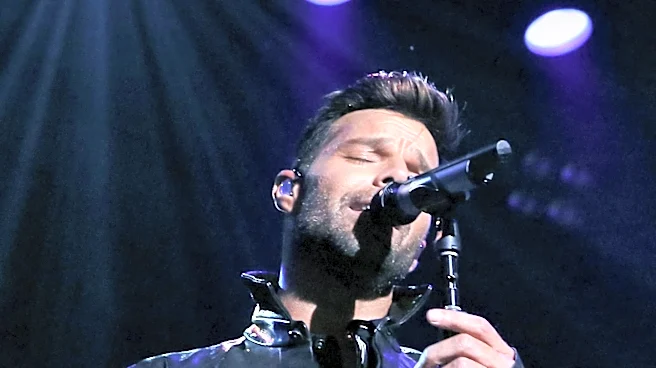
Ricky Martin, the Puerto Rican singer and actor, has publicly disclosed his severe battle with COVID-19, which left him in critical condition for 50 days. Speaking on a radio program hosted by Enrique Santos and Dayanara Torres, Martin recounted the intense
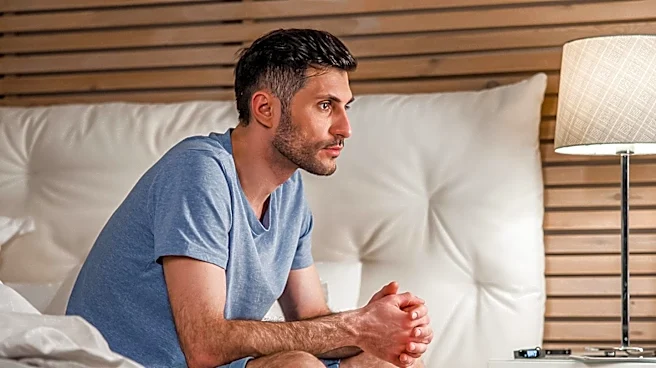
period during which he was bedridden and unable to perform basic tasks, including going to the bathroom independently. He chose to remain at home rather than seek hospital care, fearing intubation. Martin described feeling as though he was on the verge of being taken to the hospital on three separate occasions due to the severity of his symptoms. He did not specify the exact timeframe of his illness but noted that this was not the first time he had spoken about the experience. The acute phase and subsequent convalescence significantly impacted his daily life, requiring a lengthy recovery process.
Why It's Important?
Ricky Martin's account highlights the severe and prolonged impact that COVID-19 can have, even on individuals who are not hospitalized. His decision to avoid hospital care due to fear of intubation reflects a broader public concern that was prevalent during the pandemic, underscoring the psychological and emotional toll the virus took on many. This personal testimony from a prominent public figure can resonate with many who experienced similar struggles or fears during the pandemic, emphasizing the long-term health and psychological consequences of the illness. It also serves as a reminder of the varied experiences with COVID-19, from mild cases to critical conditions requiring extensive recovery, and the importance of gratitude for basic functions like breathing and mobility after such an ordeal.
What's Next?
While Martin has not indicated any specific next steps related to his COVID-19 experience, his public sharing of this personal struggle may encourage further dialogue about long-term COVID-19 recovery and the mental health aspects of severe illness. His continued emphasis on gratitude for his health suggests a sustained focus on well-being. For the public, such disclosures from celebrities often serve to normalize discussions around health challenges and can potentially influence public health messaging or personal health decisions. There are no immediate policy changes or public health initiatives directly stemming from this revelation, but it adds to the collective understanding of the pandemic's impact.
Beyond the Headlines
Ricky Martin's candid revelation about his severe COVID-19 experience touches upon deeper societal implications, particularly the fear and anxiety that surrounded medical interventions during the pandemic. His reluctance to go to the hospital due to the fear of intubation, despite being in critical condition, illustrates the complex interplay between public perception, medical information, and personal decision-making during a health crisis. This fear, whether rational or not, had significant consequences for individuals' health outcomes and the healthcare system. Furthermore, his journey of recovery, marked by daily small victories and profound gratitude, underscores the often-overlooked mental and emotional resilience required to overcome severe illness, highlighting the importance of mental health support alongside physical recovery.