







What's Happening?
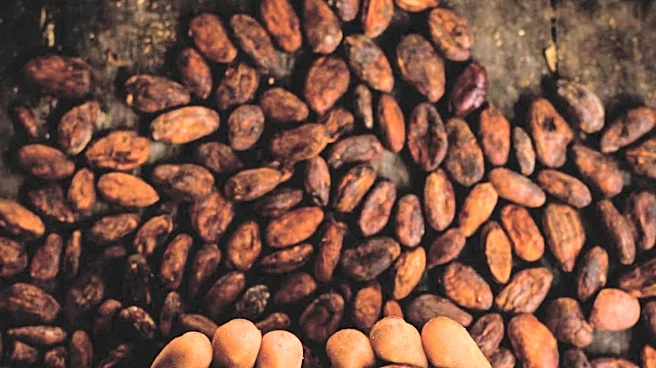
Cocoa prices have risen due to concerns over reduced production in West Africa, driven by adverse weather conditions linked to the El Niño weather system. September ICE NY cocoa closed up 0.67%, while London cocoa rose 0.12%. Ghana, the world's second-largest
cocoa producer, is expected to see a significant drop in production for the 2026/27 season, with estimates ranging from 450,000 to 550,000 metric tons, down from 750,000 metric tons in 2025/26. The decline is attributed to factors such as swollen shoot disease, aging farms, and El Niño-induced weather conditions. The global cocoa surplus is projected to shrink, further supporting price increases.
Why It's Important?
The anticipated decline in West African cocoa production has significant implications for global cocoa markets, affecting supply chains and pricing. As a major cocoa-producing region, West Africa's output influences global supply and pricing dynamics. The reduced production forecast could lead to higher cocoa prices, impacting chocolate manufacturers and consumers worldwide. The situation underscores the vulnerability of agricultural sectors to climate-related disruptions, highlighting the need for adaptive strategies to mitigate such risks. The potential for reduced supply may also drive investment in sustainable farming practices and disease-resistant crop varieties.
What's Next?
Stakeholders in the cocoa industry will likely focus on strategies to mitigate the impact of reduced production, including investments in sustainable farming practices and disease management. The industry may also explore diversification of supply sources to reduce dependency on West African production. Monitoring weather patterns and their impact on agricultural output will be crucial for forecasting future market conditions. Additionally, the potential for continued price increases may prompt manufacturers to adjust pricing strategies and explore cost-saving measures.